
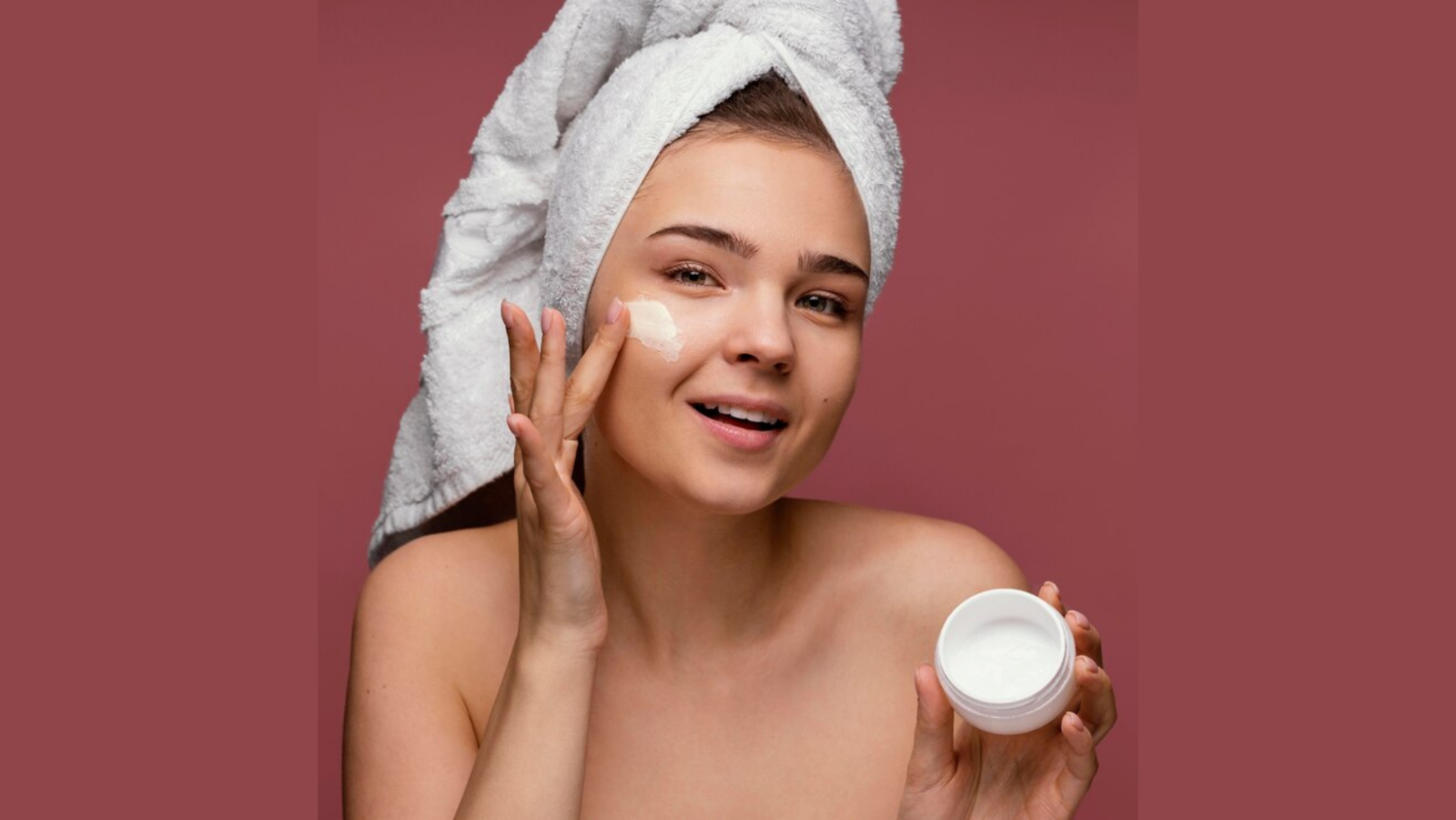
Have you heard of beef tallow in skincare? In the world of beauty, people are constantly experimenting with new and unique ingredients to achieve glowing, radiant skin. One trend that’s recently gained attention is the use of beef tallow, which is actually a rendered beef fat. It is now used as a natural alternative to moisturisers and creams.
While it might sound strange but this trend is gaining interest because of its possible benefits and unique qualities. But before jumping in, it’s important to understand what this trend is all about and what it means for skin.
Why is this skincare ingredient turning heads?
Beef tallow is a type of fat taken from the areas around a cow’s kidneys and loins. It’s packed with saturated fats and healthy fatty acids. Due to its nutrient-rich makeup, this fat has become popular in skincare routines, especially as a moisturiser for dry or flaky skin.
Key benefits of beef tallow in skincare
- Packed with skin-boosting vitamins
Beef tallow in skincare is full of essential vitamins like A, D, and E. Vitamin A helps produce collagen, which keeps the skin elastic. Vitamin E reduces early ageing signs as a powerful antioxidant, while vitamin D improves skin health and boosts natural defences.
These qualities make beef tallow a promising option for overall skin care.
- Hydration that restores balance
The saturated fats in it, like palmitic and stearic acid, naturally moisturise, hydrate and soothe dry, irritated skin. It also contains oleic acid which is a type of fat with anti-inflammatory properties. It can be helpful for conditions like eczema and psoriasis.
- Kind to pores
Even though it’s a fatty ingredient, beef tallow has a low comedogenic rating, meaning it’s unlikely to block pores. When used in moderation, it can be a good choice for people with dry or sensitive skin without causing breakouts.
Drawbacks and risks to consider
While beef tallow has a low chance of clogging pores, people with oily or acne-prone skin might still experience breakouts. It’s important to know your client’s skin type before adding it to their routine.
Also, if not processed properly, it can cause allergic reactions, such as rashes, irritation, or a burning feeling. Always ensure the product is high-quality and free from impurities.
Moreover, this unique ingredient has a greasy texture and a strong smell, which can be unappealing to some users. In India, cultural beliefs around using beef products may make it difficult for some people to include them in skincare routines.
How to safely incorporate this ingredient?
To keep this ingredient fresh, store it in an airtight container in a cool, dark place. Before using it on one’s face, do a patch test on a small area of one’s body to check for any reactions. It’s best to use it in small amounts to avoid making one’s skin too oily or blocking pores.
Final thoughts
Beef tallow in skincare offers a nutrient-rich, moisturising alternative in skincare, particularly for dry skin. While it has several benefits like hydration and anti-inflammatory properties, it’s essential to consider potential risks such as breakouts and allergies.
Thus, understanding your client’s skin type and using the product in moderation will ensure safe, effective results with any trend.