
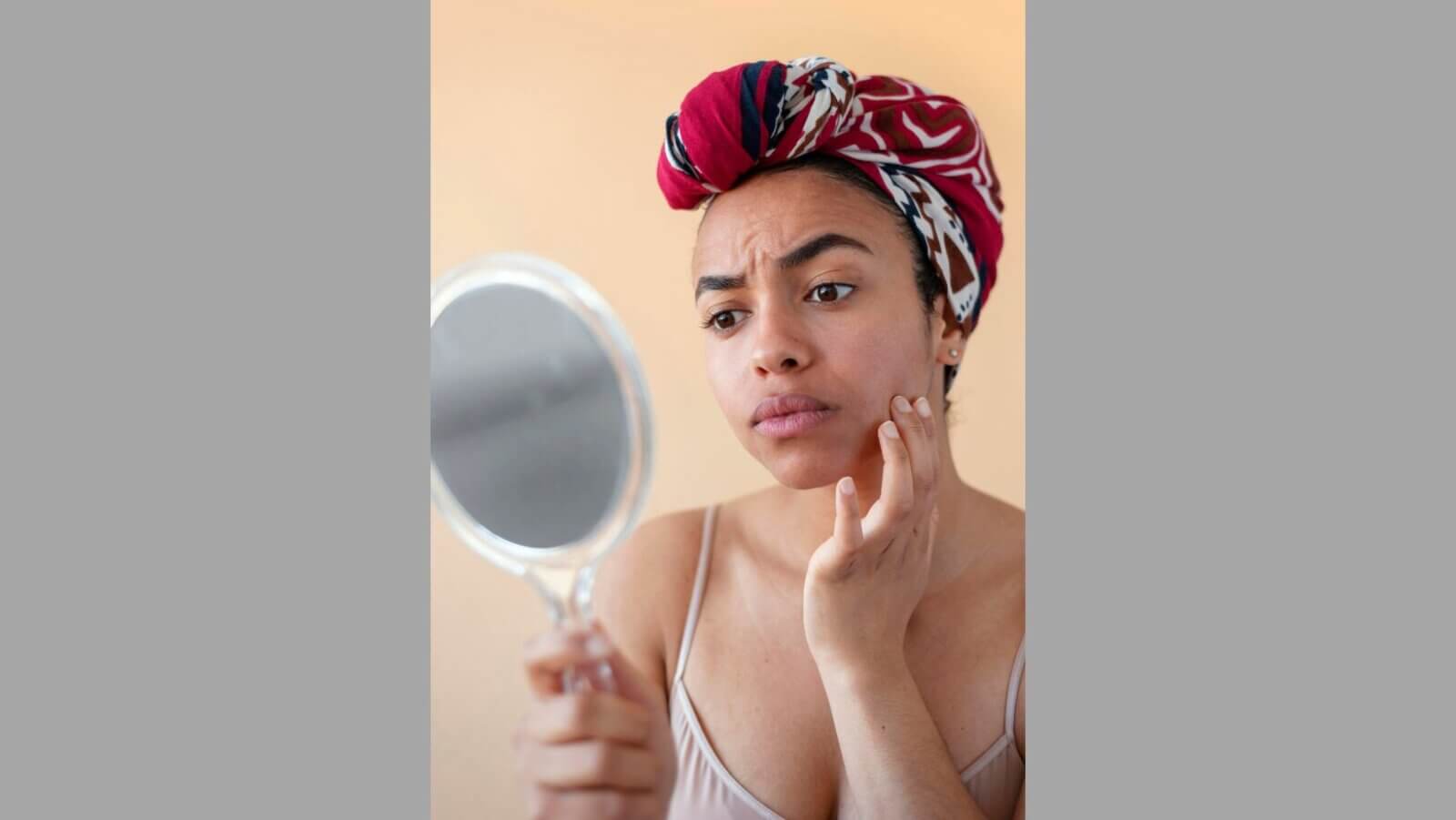
Skincare has evolved from a health practice into a status symbol. The booming skincare market is triggering a rising behavioural concern: dermorexia, an obsession with achieving flawless skin. Dermorexia describes an obsessive drive to achieve flawless skin. People often overuse products and follow compulsive skincare routines in pursuit of perfection.
What is dermorexia?
Dermorexia shares characteristics with other appearance-focused conditions like body dysmorphia and orthorexia. People fixate on minor skin flaws like acne or pores and obsessively try to eliminate them, driven by psychological compulsion. This can lead to excessive exfoliation, layering incompatible actives, frequent switching of products, and even unnecessary dermatological procedures.
Ironically, these practices damage the skin barrier, triggering breakouts and sensitivity, which fuels more dissatisfaction and excessive correction.
Fueling factors
Social platforms like TikTok, Instagram, and YouTube are instrumental in amplifying unrealistic beauty ideals. Influencers showcase “glass skin” without context, using filters and editing, yet consumers often take these unrealistic standards literally. When everyday users try to emulate this with 10-step routines and impulsive product trials, dermorexic tendencies are likely to follow.
Moreover, beauty hauls, GRWM videos, and viral “skinfluencer” routines often promote consumption over understanding, nudging people toward more, not necessarily better.
What this means
For skincare brands, product developers, and B2B stakeholders, this behavioural shift is both a red flag and an opportunity. Encouraging overuse or chasing unattainable skin ideals can backfire—leading to product fatigue, skin damage, and loss of consumer trust. More importantly, it raises ethical questions about how beauty is marketed in a mental health-sensitive age.
The challenge lies in walking the fine line between promoting skin health and profiting off skin insecurity.
How brands can respond responsibly
- Shift toward skin realism: Campaigns that embrace skin texture, acne, and ageing as normal can help destigmatise natural skin variations.
- Educate over entertain: Focus on product transparency, science-backed usage guides, and the importance of moderation in skincare routines.
- Champion skin neutrality: Not everyone wants “perfect” skin. Position skincare as wellness, not transformation.
Future outlook
As skincare becomes more central to identity and self-expression, the risk of crossing from care into compulsion is very real. Dermorexia may not yet be a clinical diagnosis, but it is a wake-up call for the industry.
Brands that promote mindful beauty over excessive correction will build stronger loyalty and encourage healthier, sustainable consumer skincare habits.