
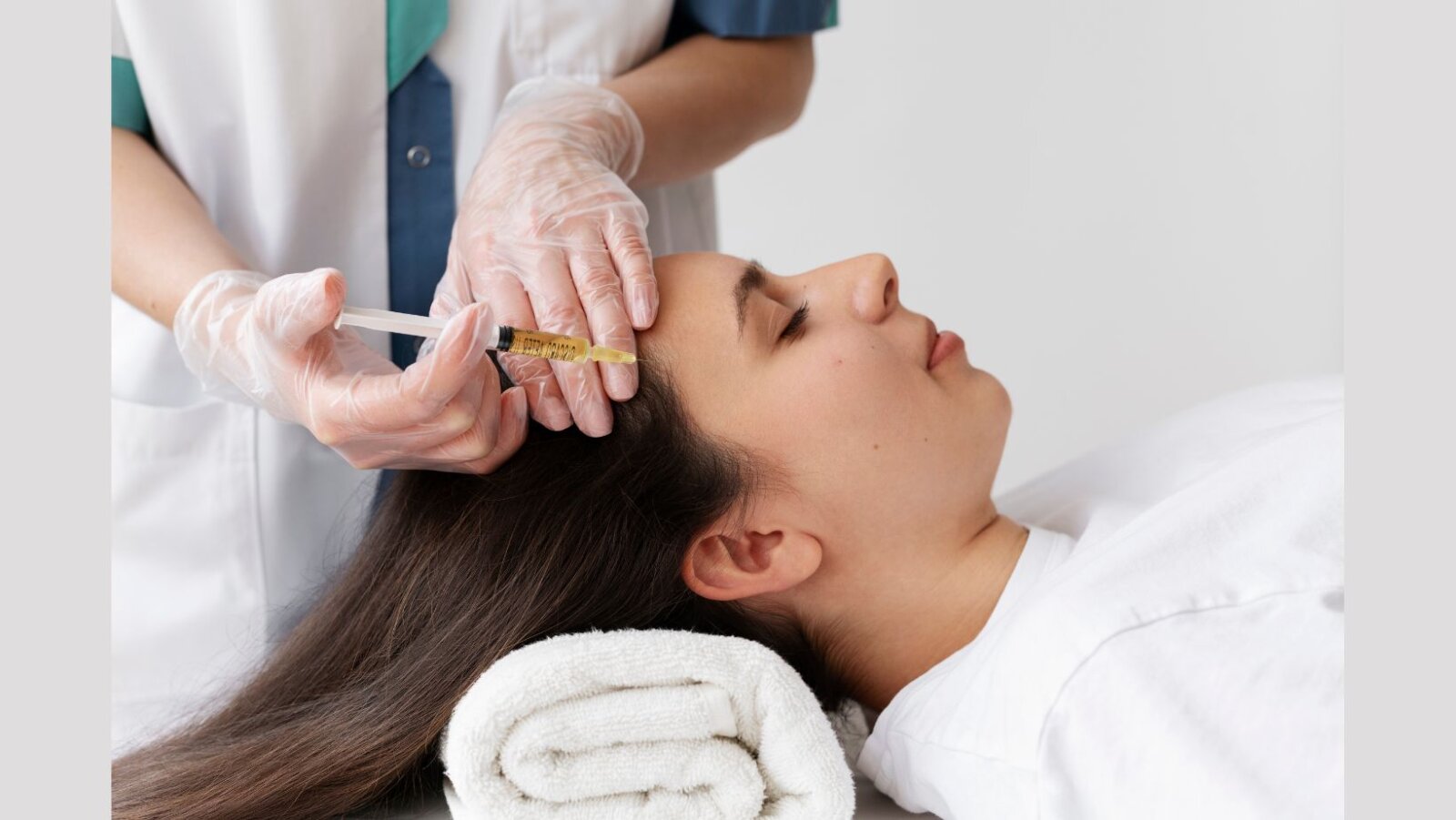
Platelet-rich fibrin (PRF) is fast becoming the go-to regenerative tool in modern cosmetic dermatology and for good reason. While Platelet-Rich Plasma (PRP) has been a reliable workhorse for natural skin and hair rejuvenation, today’s patients and practitioners are looking for something more. They want treatments that offer deeper, longer-lasting results with a cleaner and more natural approach.
PRF is emerging as a leading solution in cosmetic dermatology, changing the way we approach modern regenerative treatments. What sets it apart is not just the science. It reflects a shift in how we approach natural rejuvenation. Let us break down why PRF is more than just an upgrade from PRP. It is a smarter and future-forward solution your practice cannot afford to overlook.
Powerful but limited
PRP is derived from a patient’s blood by spinning it down to isolate platelets that promote healing and collagen growth. While effective, PRP comes with some challenges:
- It requires anticoagulants during processing to prevent clotting.
- Growth factors release quickly, often within hours.
- This leads to a shorter window of effectiveness, requiring more frequent treatments.
- It contains fewer white blood cells and lacks a fibrin matrix, which limits its regenerative capacity.
These limitations have led to the search for a better alternative. This is where PRF comes in.
What makes it different?
PRF is a more advanced and natural version of PRP. It is also made from the patient’s blood using a gentler centrifugation process without any anticoagulants or additives. This creates a fibrin-rich matrix that holds platelets and white blood cells, releasing growth factors slowly over 7 to 10 days.
This slow release helps boost tissue repair, collagen production, and the formation of new blood vessels. It makes PRF more biologically active and effective.
Practical applications in aesthetic treatments
PRF has quickly gained popularity among dermatologists for its versatility:
- Facial rejuvenation: Gradual collagen stimulation improves skin texture and tightness.
- Hair restoration: Enhanced follicle stimulation benefits early-stage hair thinning.
- Acne scars and skin texture: When combined with microneedling or lasers, PRF accelerates healing.
- Delicate areas: PRF gently treats lips and under-eye tear troughs with minimal swelling.
- Combination therapies: Used alongside fillers or laser treatments, PRF boosts overall results.
Why patients and practitioners prefer PRF
Today’s patients are more aware and often prefer clean, chemical-free treatments. PRF fits right into this shift. Since it comes from the patient’s own blood and has no added chemicals, it offers a natural and safe option with fewer side effects and results that last longer.
For practitioners, using PRF is a smart way to stay ahead in regenerative aesthetics. It also helps meet the growing demand for organic and effective treatments.
PRF’s expanding role
With new options like injectable PRF and concentrated PRF, treatments are becoming even more targeted and personalised. Research is also looking into PRF gels as natural volumisers that could one day replace synthetic fillers.
For cosmetic dermatology clinics, adding PRF is not just about better results for patients. It is also a smart step toward staying ahead in the field and leading the way in aesthetic care.
To sum it up, platelet-rich fibrin or PRF is changing the game in cosmetic treatments. It offers a natural, effective, and patient-friendly approach that is set to become the new standard in modern dermatology.