Coherent Market Insights predicts the global dermal fillers market will grow from USD 5.12 billion in 2025 to USD 10.97 billion by 2032. The forecast highlights the market’s strong growth momentum over the next decade. The 11.5% CAGR underscores rising demand for minimally invasive aesthetics, greater cosmetic awareness, and rapid advancements in filler technology.
Rising demand for non-surgical facial rejuvenation
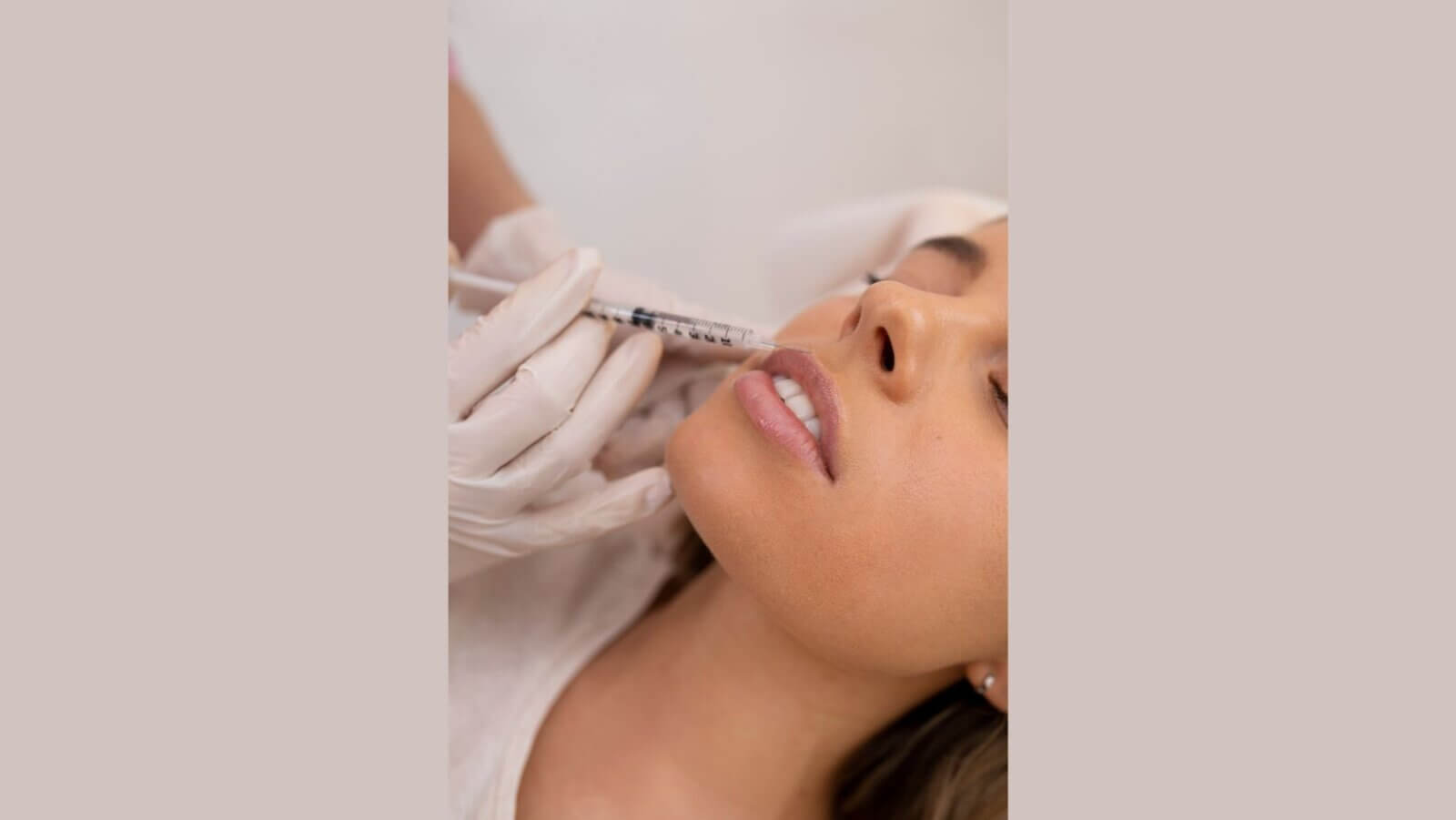
Consumers worldwide are increasingly turning to dermal fillers for quick, effective, and non-surgical facial rejuvenation. These gel-like injectables restore volume, reduce wrinkles, and enhance facial contours with minimal downtime. As people seek youthful, natural-looking results without the risks of surgery, dermal fillers continue to gain popularity across demographics.
Aesthetic procedures on the rise
The International Society of Aesthetic Plastic Surgery (ISAPS) reports that plastic surgeons performed over 20.5 million non-surgical aesthetic procedures in 2024. This surge highlights the growing global acceptance of aesthetic treatments. This surge directly fuels dermal filler demand, particularly for facial wrinkle reduction and volume restoration.
Hyaluronic acid fillers
Among material types, hyaluronic acid fillers dominate the market and are expected to account for 35.2% of total share by 2025. These fillers offer biocompatibility, reversibility, and hydration benefits, making them a top choice for practitioners. Meanwhile, biodegradable or absorbable fillers remain the preferred product type, holding around 55.2% market share.
Asia Pacific is emerging as the fastest-growing region, driven by rising beauty consciousness, social media influence, and expanding access to aesthetic clinics.
While the industry outlook is strong, challenges persist. High procedure costs and potential side effects such as swelling, bruising, or infection may limit broader adoption. Repeated treatments are often required to maintain results, which raises long-term costs and restricts accessibility for some consumers.
Cost, side effects, and accessibility
Nevertheless, increasing global awareness of aesthetic enhancements continues to unlock new growth avenues. Social media platforms such as TikTok and Instagram have redefined beauty ideals, with influencers and celebrities normalising cosmetic procedures. This digital exposure has fuelled demand among younger demographics, particularly the 18–35 age group, who favour subtle, natural enhancements.
Emerging trends like treatments for “Ozempic face”—facial volume loss due to rapid weight reduction—are also expanding filler applications. At the same time, technological innovations are leading to next-generation fillers with longer-lasting effects and improved safety profiles.
Analysts predict sustained momentum for the dermal fillers industry as more consumers embrace non-surgical aesthetic procedures. With continuous R&D and expanding consumer acceptance, the global dermal fillers market is set to remain one of the most dynamic segments in aesthetic medicine through 2032.