
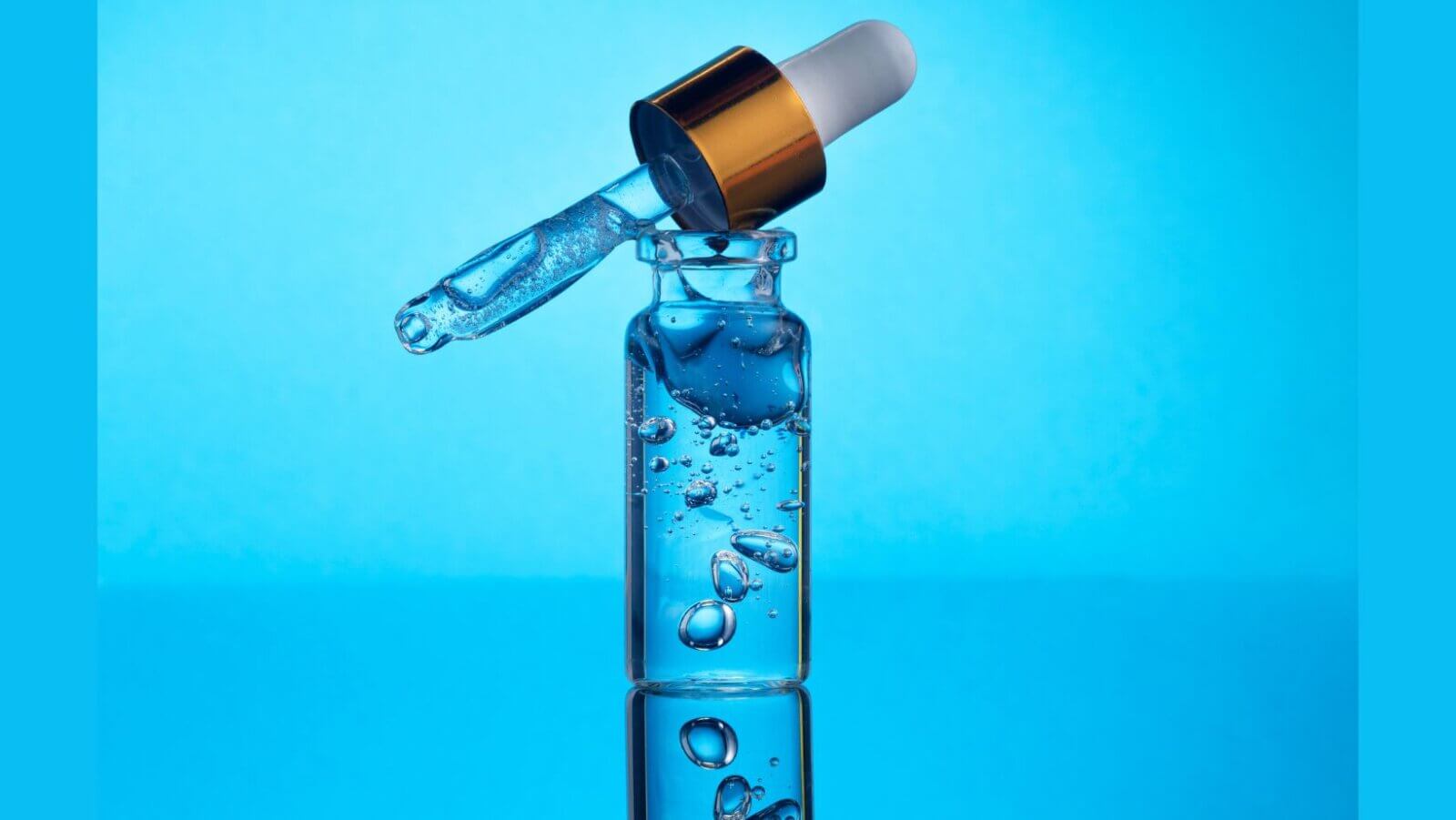
The global hyaluronic acid (HA) raw material market is expanding rapidly, driven by cosmetic and aesthetic demand. India has emerged as a key growth market in Asia, fuelled by rising skincare product usage and aesthetic treatments.
Hyaluronic acid, a natural biopolymer, retains moisture and enhances skin elasticity, making it highly valued in cosmetics. The market includes dermal fillers, hydrating creams, ophthalmic solutions, and orthopaedic treatments, with cosmetic applications leading demand.
Industry analysts forecast global HA revenues could nearly double by 2036, reflecting strong adoption across multiple sectors.
India’s market expansion
India’s HA market is growing faster than many regions, supported by urban consumer awareness and higher disposable incomes. Skincare companies are increasingly incorporating HA into premium products, targeting anti-ageing and skin hydration segments.
Dermatology and aesthetic clinics report more procedures using HA, including injectable fillers and topical serums. Rising awareness of scientifically validated skincare solutions is a significant factor in India’s HA adoption.
Key growth drivers in India
- Expanding skincare industry: Retail, salons, and e-commerce channels broaden access to HA-enriched products nationwide.
- Consumer awareness: Urban consumers increasingly value anti-ageing, moisture-retention, and clinically tested skincare ingredients.
- Global supply investment: International firms strengthen distribution and formulation networks to meet Indian regulatory requirements.
Market Outlook
Non-animal, fermentation-based hyaluronic acid production ensures high purity and consistent molecular quality, critical for both cosmetic and clinical applications. Cosmetic-grade HA remains the fastest-growing segment, supported by innovation and increased anti-ageing product usage.
Industry leaders compete to serve established markets like China and emerging markets like India through advanced technology and partnerships. Companies focus on formulation diversification and collaborations with dermatology and pharmaceutical firms to capture India’s growing market.
Experts predict regulatory improvements and greater consumer knowledge will attract further investment in India’s hyaluronic acid raw material industry. Local production networks may expand, reducing import dependence and supporting the growth of India’s cosmetic and medical sectors.
India’s younger demographic and rising disposable income support long-term demand for HA-based products across skincare and aesthetic treatments. Overall, India is poised to play a strategic role in Asia’s HA raw material market, shaping future growth opportunities.