
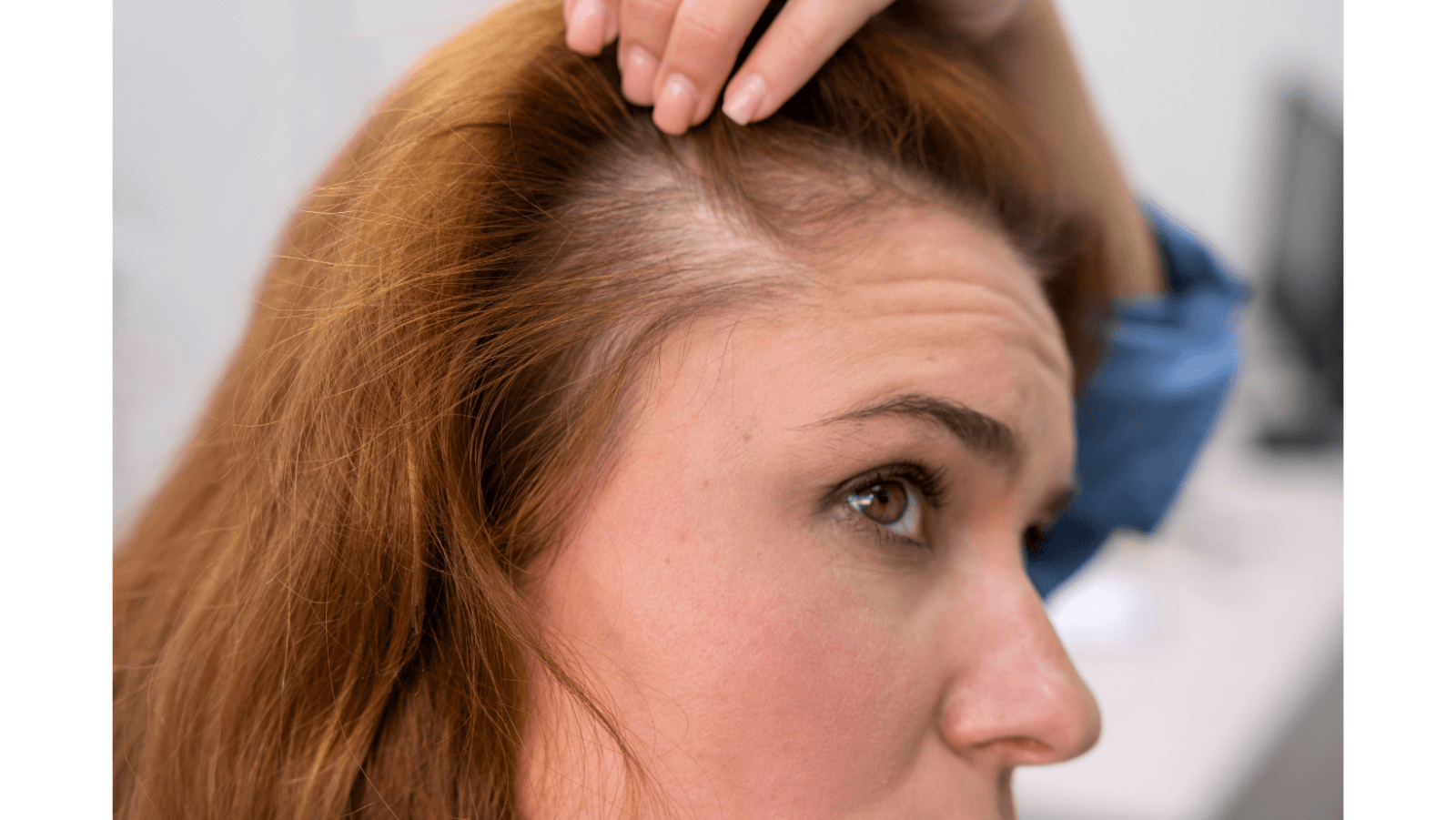
Hair fall cases in Hyderabad are increasing across multiple demographics. Dermatology experts emphasise diagnosis over trend-based treatments in clinical practice. Hyderabad-based dermatologist Dr M. D. Sindhura highlights this growing diagnostic gap in patient management.
Hair loss presents multiple underlying causes in most patients. Genetics, hormonal imbalance, nutrition, and stress often interact simultaneously. Environmental pollution and urban lifestyle factors further worsen scalp health conditions.
Patients increasingly rely on social media remedies before seeking medical consultation. This delays accurate diagnosis and appropriate clinical intervention. Experts warn that self-treatment can aggravate underlying scalp disorders and hair cycle disruption.
Clinical evaluation and diagnostic approach
Clinical evaluation begins with detailed patient history assessment. Dermatologists analyse lifestyle patterns, medical background, and symptom progression timelines. This structured approach helps identify root causes more accurately in hair loss cases.
Doctors often recommend blood investigations for hormonal and nutritional markers. Thyroid profiles and iron levels remain key diagnostic indicators in most assessments. Additional screening helps detect conditions such as PCOS in female patients.
Trichoscopy supports detailed scalp and follicle examination in clinical settings. The tool helps clinicians evaluate hair density and growth cycle patterns. It also improves differentiation between temporary shedding and chronic alopecia conditions.
Rising stress and lifestyle-related triggers
Stress-related hair fall has increased significantly in urban populations like Hyderabad. Irregular sleep patterns and high work pressure contribute to excessive shedding. Post-illness recovery phases also trigger temporary hair loss episodes in many patients.
Nutrition plays a critical role in maintaining hair follicle strength and resilience. Protein, iron, and vitamin deficiencies weaken natural growth cycles over time. Specialists discourage unsupervised supplement consumption without proper clinical testing.
Common clinical conditions in practice
Androgenetic alopecia remains a common diagnosis in Hyderabad dermatology clinics. Early intervention helps slow progression and preserve existing hair density. Delayed treatment increases the risk of irreversible follicle miniaturisation and loss.
Excessive exposure to chemical-based products damages scalp integrity over time. Dermatologists recommend mild, medically approved hair care formulations for long-term use. Consistent scalp care routines deliver better outcomes than experimental treatments.
Treatment personalisation and patient impact
Treatment plans require strong personalisation based on confirmed clinical diagnosis. Standardised solutions rarely deliver consistent results across diverse patient profiles. Doctors design therapies based on individual scalp conditions and underlying triggers.
The emotional impact of hair loss significantly affects patient confidence levels. Anxiety and self-image concerns often accompany chronic hair loss conditions. Counselling support and medical guidance improve overall treatment adherence and response.
Expert perspective on diagnosis-first care
Experts urge early consultation with qualified dermatologists for effective management. Awareness initiatives continue to promote evidence-based hair care decisions in urban centers. Dr M. D. Sindhura emphasizes a diagnosis-first approach in hair loss management.
She highlights the need to move beyond trend-driven solutions in dermatology practice. Clinical precision and timely intervention remain essential for long-term hair restoration outcomes. Healthcare professionals stress that diagnosis must always precede treatment decisions.