
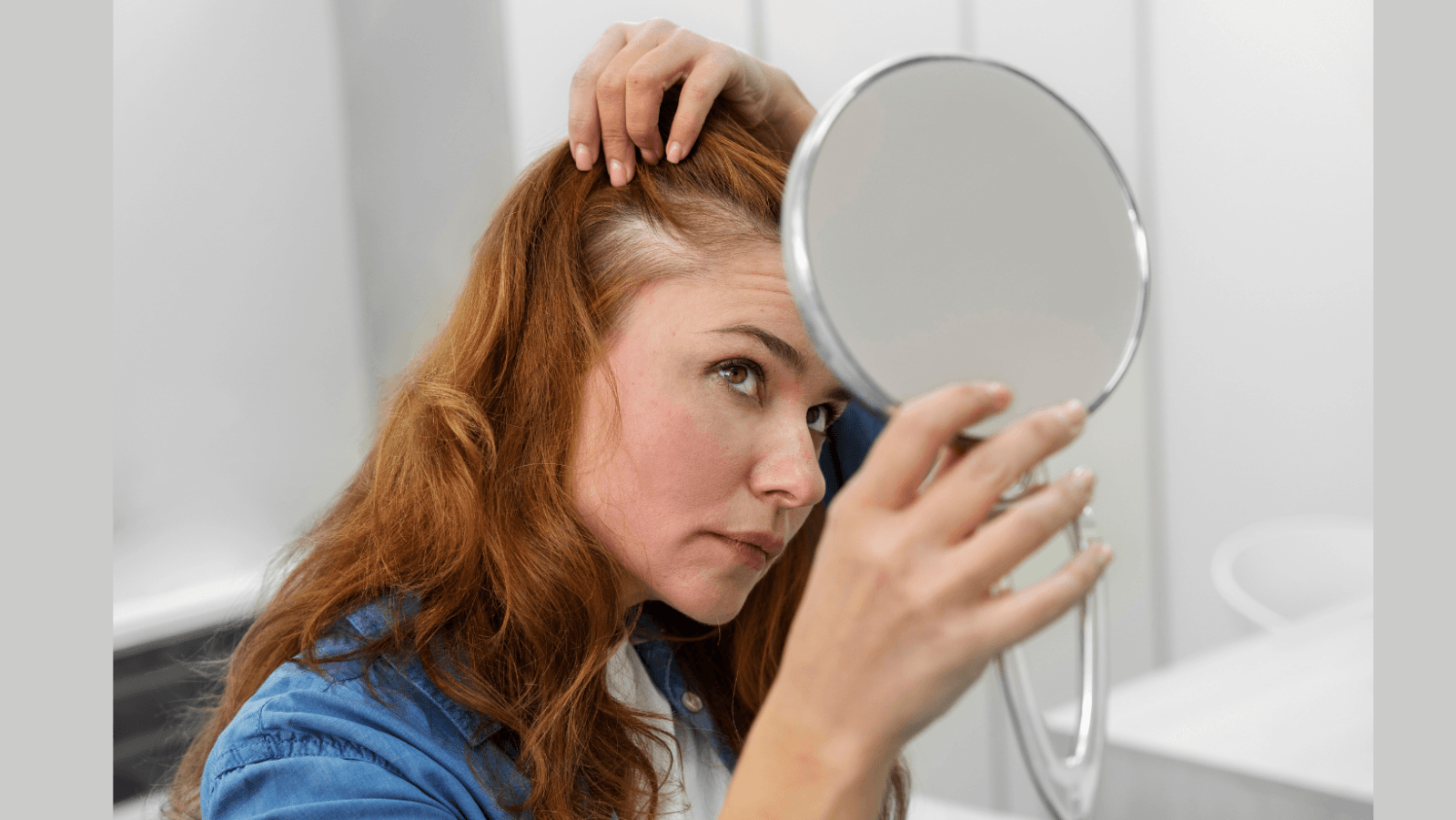
Indian start-ups ecosystem is increasingly targeting the hair care market as younger consumers seek solutions for early hair loss. Founders and investors believe the growing concern among Gen Z presents a multi-billion-dollar business opportunity. Lifestyle changes, stress, and greater awareness of appearance continue to fuel demand.
Hair loss, once associated with middle age, now affects many people in their twenties. Industry players report a sharp rise in enquiries for treatments, supplements, diagnostic tests, and hair restoration services. Social media has also encouraged younger consumers to seek professional help instead of hiding the problem.
Digital-first solutions reshape hair care
Several start-ups now offer personalised hair care programmes through digital platforms. Many combine online consultations, artificial intelligence, and subscription models to deliver customised treatment plans. These platforms recommend products, monitor progress, and provide ongoing support.
Founders say younger consumers value convenience and personalised care. Many businesses have expanded beyond shampoos and oils to offer nutrition advice, prescription medicines, scalp treatments, and long-term wellness plans. This broader approach positions hair health as part of preventive healthcare rather than a cosmetic concern.
Investors see long-term growth potential
Investors continue to back companies operating in the hair wellness sector. Subscription services and repeat consultations provide recurring revenue opportunities. The expanding market has also encouraged new entrants to develop specialised products for both men and women experiencing early hair thinning.
India’s growing focus on self-care and wellness further strengthens the sector’s outlook. Rising disposable incomes and increasing digital adoption continue to support demand for specialised healthcare services.
Experts urge evidence-based treatment
Medical experts caution that hair loss has several underlying causes. Genetics remain a major factor, but stress, poor nutrition, hormonal changes, pollution, and unhealthy lifestyles also contribute. Doctors recommend seeking professional diagnosis before beginning treatment because every condition requires a different approach.
Experts also advise consumers to avoid relying on viral social media trends or unverified products. Instead, they encourage evidence-based treatments prescribed by qualified dermatologists and hair restoration specialists. Early diagnosis often improves treatment outcomes and helps slow further hair loss.
Competition expected to intensify
Industry observers expect competition to increase as more companies enter the market with technology-driven solutions. Businesses will likely compete through personalised care, stronger clinical evidence, and improved customer experience. Partnerships with dermatologists and healthcare providers may also become an important differentiator.
As Gen Z consumers prioritise confidence, appearance, and preventive healthcare, demand for hair restoration solutions is expected to remain strong. The sector continues to evolve beyond traditional cosmetic products into comprehensive health and wellness services, creating fresh opportunities for innovation and investment.