
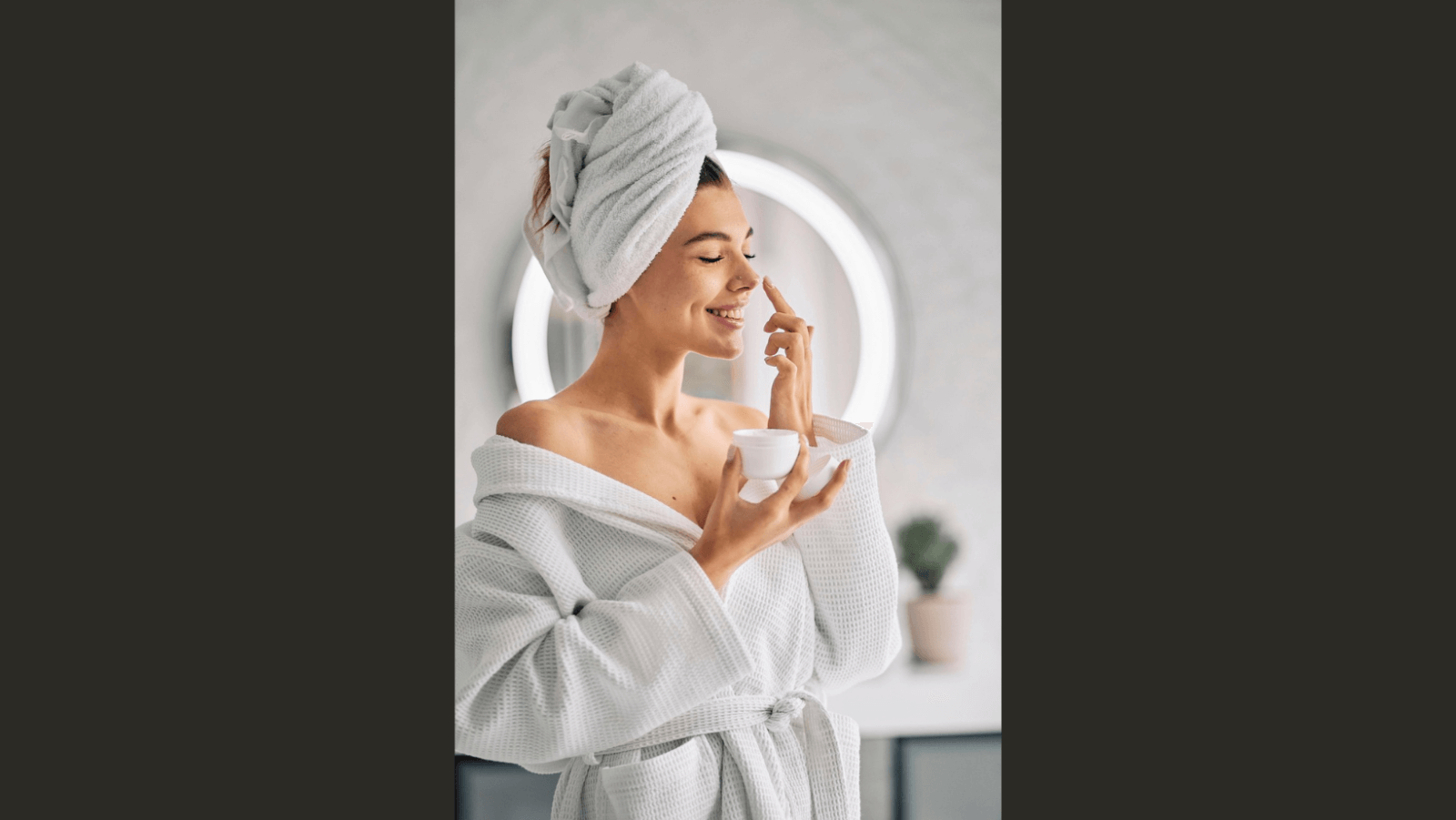
Menopause marks a significant hormonal shift in a woman’s life, affecting not only internal health but also external appearance. As estrogen levels decline, skin loses collagen, hydration, and elasticity, leading to increased dryness, wrinkles, and sensitivity. Skincare brands, formulators, and dermatologists can develop targeted solutions to address the evolving needs of the growing menopausal skincare consumer market.
Key skin changes
- Reduced collagen production – Loss of estrogen leads to a decline in collagen, causing sagging skin and fine lines.
- Increased dryness and sensitivity – The skin barrier weakens, leading to dehydration and increased susceptibility to irritation.
- Hyperpigmentation and uneven tone – Hormonal fluctuations can trigger melanin production, leading to age spots and an uneven complexion.
- Slower skin renewal – Cell turnover decreases, making skin appear dull and less vibrant.
- Increased susceptibility to UV damage – Reduced estrogen weakens the skin’s natural defense against environmental stressors.
Market potential
The global skincare industry has seen increased segmentation, with brands recognising the distinct needs of different age groups. Menopausal skincare is emerging as a key category, addressing the unique challenges faced by women in their late 40s.
Market research predicts significant growth in the global menopausal skincare market, driven by rising demand for specialised anti-ageing and hydrating products.
Opportunities
1. Product innovation and customisation
Developing targeted skincare solutions for menopausal women requires a blend of dermatological research and consumer insights. Brands that incorporate dermatologically tested formulas, clean beauty principles, and sustainable ingredients will appeal to health-conscious consumers.
2. Education and awareness initiatives
Many consumers are unaware of how menopause affects their skin. Skincare brands and professionals can leverage digital platforms, webinars, and in-store consultations to educate on best practices for menopausal skincare.
3. Personalised skincare solutions
AI-driven skin analysis tools and subscription-based skincare regimens can enhance customer engagement and retention. Providing personalised recommendations based on hormonal changes will drive brand loyalty.
4. Collaboration with dermatologists and wellness Experts
Partnering with medical professionals, wellness influencers, and dermatologists can boost credibility and offer science-backed solutions tailored to menopausal skin needs.
The growing market
Menopausal skincare is an evolving category with substantial growth potential. Brands that invest in research-driven formulations, consumer education, and personalised skincare solutions will stand out in the competitive skincare landscape.