
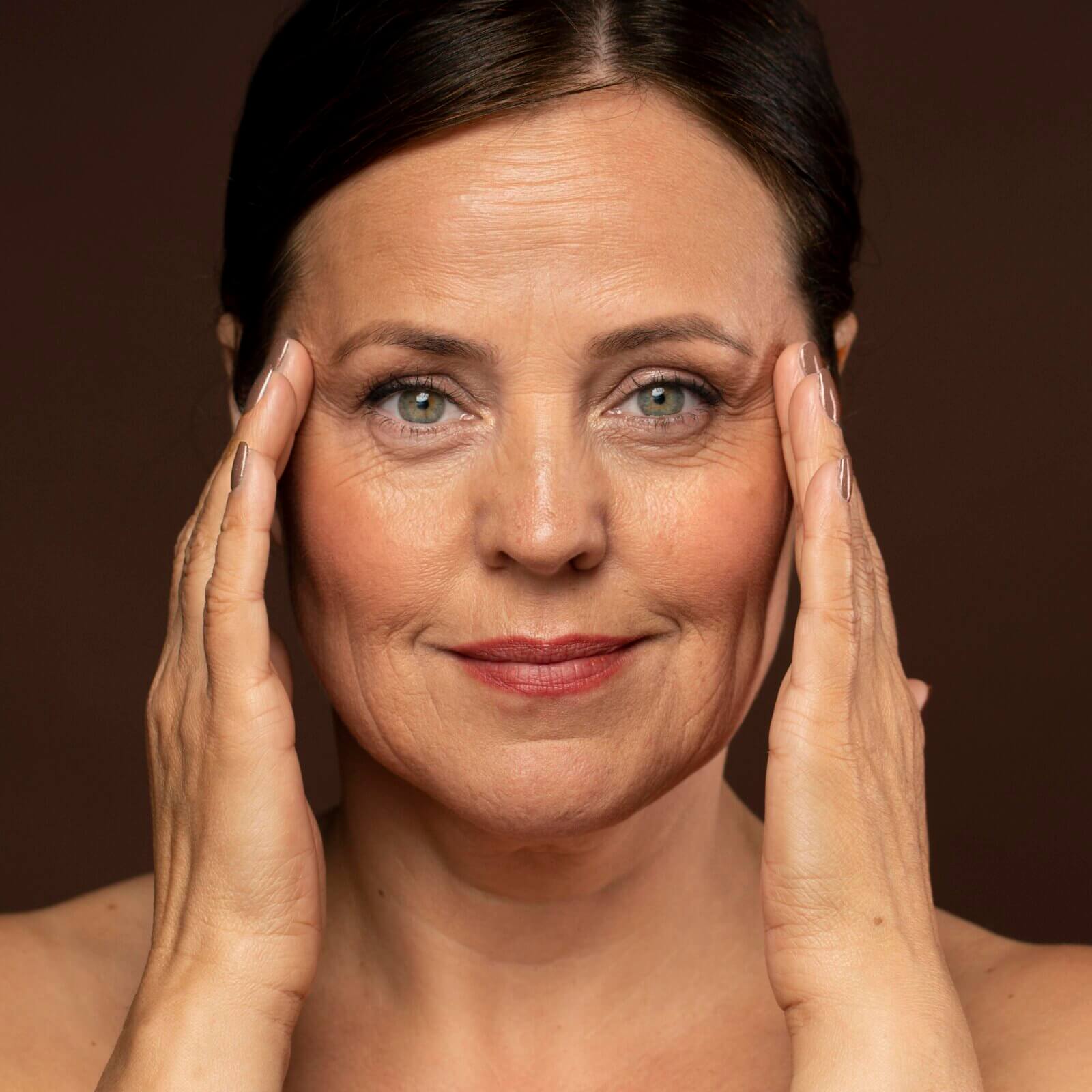
In the ever-evolving landscape of dermatology, keeping pace with the latest trends is essential for aesthetic medicine practitioners. The interplay between hormones and skin ageing has been a focal point of discussion in the field.
Numerous hormonal contributors affect the skin. Post menopause, estrogen levels decrease. and estrogen is one of the hormones that enhance skin elasticity, and hydration and promote collagen production. Menopause affects all these aspects. Estrogen is a well-known hormone in this context. Changes in thyroid hormones also impact skin health. Hypothyroidism leads to decreased metabolism and results in a sallow complexion, making the skin appear dry and aged. Hyperthyroidism, on the other hand, leads to increased catabolism, causing thinning of the skin. Another important hormone to consider is melatonin. It releases at night and affects collagen production and overall skin health. If you compromise your sleep by not sleeping on time, it can lead to skin problems. Cortisol, the stress hormone, increases issues like acne, facial hair growth, and hair thinning, further contributing to skin ageing. Various normal hormones, when influenced by stress, ageing, or physical problems, can impact the skin.
Skin ageing is marked by various transformations, including alterations in the shape of keratinocytes and the flattening of the epidermal-dermal junction (rete pegs). Simultaneously, the dermis undergoes thinning, and a reduced capacity for rebound is observed. These changes result from the depletion of collagen, elastin, and hyaluronic acid, ultimately leading to decreased skin hydration.
Many individuals, especially women, turn to cosmetic and medical treatments as a means to enhance dermal health and physical attributes, thereby bolstering their self-perception and countering the effects of skin ageing, particularly in prominent body areas. An effective strategy for addressing these concerns involves a comprehensive, three-dimensional approach. This approach combines products designed to relax musculature, provide volume, and rejuvenate the skin. For instance, treatments may include the use of botulinum toxin to relax muscles, dermal fillers to counteract volume loss, and collagen-building threads to address facial sagging. Skin boosters are also employed to rectify hydration levels and stimulate neocollagenesis, contributing to an overall improvement in skin health.
Practitioners can integrate nutritional advice into anti-ageing treatments. They can ensure that they offer their patients:
- Estrogen support: For women experiencing menopause-related skin ageing, practitioners can recommend foods rich in phytoestrogens such as soy, flaxseeds, and legumes. These can help mitigate the effects of estrogen decline.
- Stress management: Stress reduction techniques like meditation, yoga, and deep breathing exercises can complement nutritional advice. Encourage patients to consume a diet rich in antioxidants (berries, leafy greens, and nuts) to combat oxidative stress caused by cortisol.
- Balanced diet: Promote a balanced diet low in sugary and processed foods to help stabilise blood sugar levels and reduce the risk of glycation. Emphasise complex carbohydrates, lean proteins, and healthy fats.
- Vitamin D: Advise patients to get adequate sun exposure, as sunlight triggers the body’s production of vitamin D. Additionally, recommend vitamin D-rich foods like fatty fish and fortified dairy products.
- Antioxidants: Educate patients about the importance of antioxidants in their diet to combat free radicals. Encourage the consumption of fruits, vegetables, green tea, and other antioxidant-rich foods.
- Collagen boosters: Suggest foods high in vitamin C (citrus fruits, bell peppers) and amino acids (lean meats, legumes) to support collagen production.
- Omega-3 Fatty Acids: Omega-3s from sources like fatty fish and flaxseeds can help maintain skin hydration and reduce inflammation.
- Hydration: Emphasise the importance of staying hydrated, as proper water intake is crucial for skin moisture and overall skin health.
- Consultation with a registered dietitian: Encourage patients to consult with a registered dietitian for personalised nutritional advice tailored to their specific needs and skin conditions.
- Combined approaches: Effective anti-ageing treatments often involve a combination of nutritional advice, skincare, and medical interventions. Collaboration with dermatologists and other healthcare professionals can provide a comprehensive approach to combating skin ageing.”
As Shriyal Sethumadhavan delves into the reasons for skin ageing and the pivotal role hormones play in this process; Dr Rasya Dixit, Dr Sonia Tekchandani, and MBBS and Nutritionist Dr Rohini Patil, share their advice on how to deal with the same. For more details and the complete story, get your copy of the Aesthetic Medicine India: https://rebrand.ly/aug-septedition