Did you know that the field of aesthetic medicine is rapidly expanding, even reaching smaller cities and rural areas? All of this is possible because of awareness, greater financial independence, and the influence of digital media.
With the help of advanced technologies and smart marketing strategies, young practitioners now have a great chance to succeed. Sure, there are some challenges and the role of AI is evolving, but the future holds so much promise. As time goes on, exciting discoveries will make patient care better and give people in the field new job possibilities.
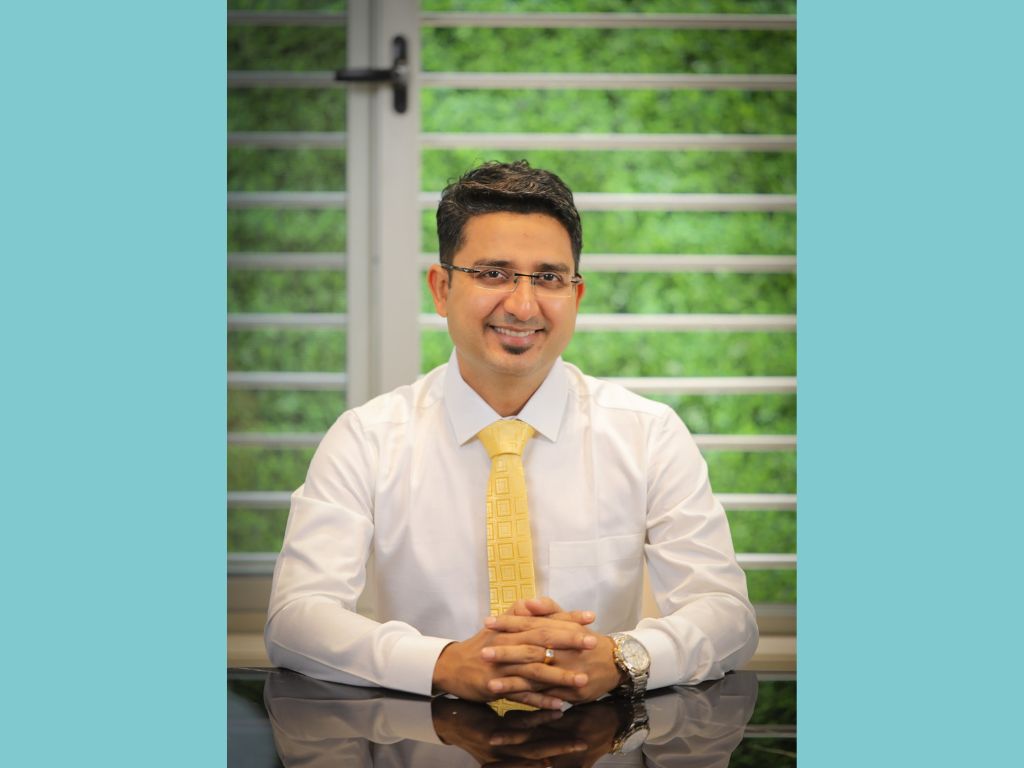
Dr Piyush Borkhatariya, Chief Dermatologist and Founder and Director of Esthe Wellness, Junagadh, addresses the growth in aesthetic medicine. Driven by a passion for wellness, he stresses the importance of affordable treatments and AI’s potential to improve patient care.
On Future Prospects for Practitioners
The demand for aesthetic treatments is rapidly expanding into smaller cities and rural regions. Several key factors driving these opportunities include:
- Increasing awareness and self-care: Post-pandemic, there is a higher demand for aesthetic services due to increased awareness and focus on appearance and well-being.
- Financial independence: More people are financially independent and willing to invest in aesthetic treatments for enhanced appearance and self-esteem.
- Digital transformation and social media: Social media spreads information and showcases results, creating an informed client base interested in aesthetic options.
- Adaptation to market trends: Young dermatologists quickly adopt the latest techniques and technologies to meet evolving client demands.
- Marketing and branding: Effective strategies have normalised aesthetic treatments, reducing associated stigma and increasing visibility.
- Availability of advanced technologies: World-class machines and products enable high-quality treatments, even in smaller cities, matching international standards.
On Initial Hurdles in Aesthetics
The biggest challenge was the lack of awareness and misconceptions among patients about aesthetic procedures. To address this, I dedicated the first five years to awareness and educational activities, organising and participating in campaigns, seminars, and camps, and creating educational content on social media. This approach gradually changed perceptions and built trust within the community.
For new practitioners, my advice is to understand your target population’s needs. Organise camps, conduct seminars and create informative social media content.
Focus on delivering consistent, high-quality results to build a loyal customer base who will educate others about the benefits of aesthetic procedures. This cycle of awareness and education will build trust and demand organically.
On Envisioning AI in Aesthetics
Key areas where AI can play a crucial role include:
- Increasing awareness: AI can create personalised educational content, enhancing patient understanding and interest in aesthetic treatments.
- Predicting responses: AI tools can analyse data to predict patient responses to treatments, allowing for customised, precise plans and better outcomes.
- Technological assistance: AI can enhance virtual consultations and provide imaging technologies to show potential results, improving efficiency and decision-making.
- Enhanced customer experience: AI can set clear expectations and reduce anxiety, leading to higher satisfaction and stronger patient-practitioner relationships.
Challenges include ensuring data privacy, high implementation costs, and maintaining the human touch in patient care. Despite these, AI integration promises to enhance awareness, treatment outcomes, and patient experience, making it essential for the future of aesthetic healthcare.
For the complete story, CLICK HERE for our latest edition of Aesthetic Medicine India magazine.