
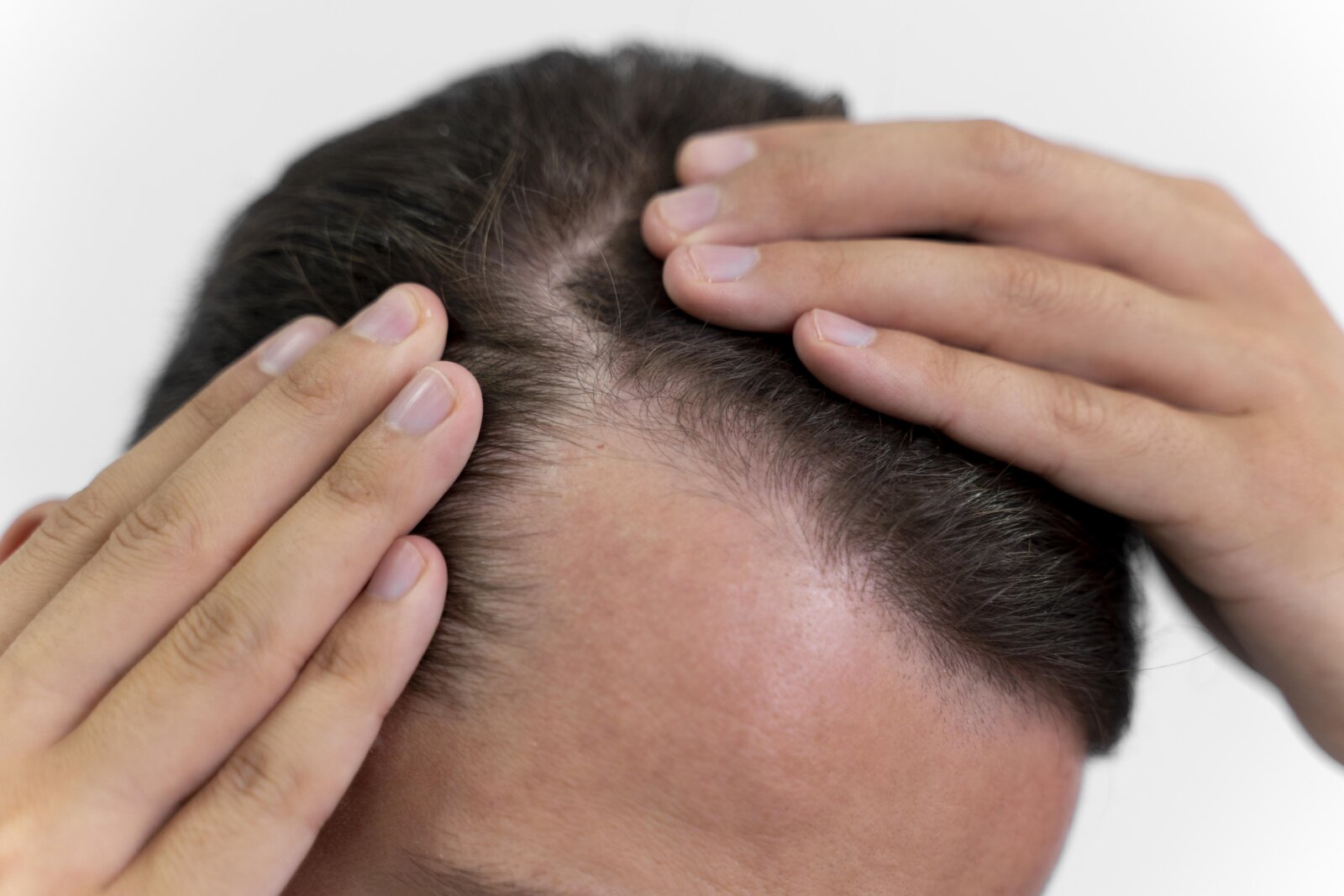
Don’t you think hair loss, or alopecia, has become a significant concern, affecting people of all genders and age groups these days? Surely, your clients have expressed similar worries.
Hair loss can result from various factors, including hormonal imbalances, genetic predisposition, nutritional deficiencies, stress, or medical conditions. Other contributors, like poor diet, iron deficiency, and vitamin D deficiency, can also weaken hair health.
Understanding the underlying cause is crucial for selecting the most effective treatment. In the AM MedTalk episode on Instagram, AMI Editor Shriyal Sethumadhavan delved into the details of hair loss and related issues with Dr Piyush Borkhatariya, Chief Dermatologist and Founder, Director of Esthe Wellness, Junagadh.
Can you start by explaining the most common causes of hair loss that you encounter in your practice?
Nowadays, many young people are facing hair loss issues, even those as young as 18 or 20 years old. They may experience male pattern baldness or significant hair loss in females. The primary reason is hormonal imbalance.
In males, it is often androgenetic alopecia, which causes thinning of the hair due to hormonal changes. For females, hormonal causes also play a significant role. The second most common issue is nutritional deficiency. People often lack iron, vitamin B12, and other essential vitamins, leading to hair loss and texture problems.
The third common reason is telogen effluvium, which occurs when there is a shock to the system, such as illness, dieting, stress, surgery, or pregnancy. This type of hair loss typically occurs two to three months after the triggering event. Many people are unaware they have telogen effluvium, which is why they experience decreased hair density.
Currently, there’s a noticeable increase in hair loss cases, and it’s important to distinguish between hair fall and hair loss. Hair fall refers to shedding, while hair loss or baldness involves a more severe issue.
If someone is experiencing hair fall without a decrease in density or bald patches, it might not be a significant concern. However, due to lifestyle and nutritional factors, hair fall is quite common, affecting about 50-60% of people.
How is the hair loss pattern different in males versus females?
Hormonal factors create different patterns in male and female hair loss. In telogen effluvium and nutritional deficiencies, the patterns are similar: excessive hair shedding and texture issues. However, male and female pattern baldness differ.
In male pattern baldness, you’ll see a clear pattern of frontal recession that progresses to the occipital region, while the posterior area remains relatively unaffected.
In female pattern baldness, there is a central thinning with a centrifugal pattern. Despite the similar underlying pathology, such as androgenetic thinning, the patterns are distinct. Most people aren’t aware that thinning hair is a sign of androgenetic alopecia. Hair becomes progressively thinner with each cycle, leading to noticeable density loss.
Male pattern baldness is more common than female pattern baldness. For example, out of 100 people, 10-20% are females and 80-90% are males. Additionally, younger males are now experiencing hair loss at ages as early as 18-22, whereas it used to be more common after age 35.
What are the key diagnostic tools or techniques you use to determine the underlying cause of hair loss in your patients?
There are several types of hair loss, including:
- Nutritional Deficiency: Diffuse hair loss caused by deficiencies in iron, vitamin B12, or other nutrients.
- Telogen Effluvium: Hair loss due to a disruption in the hair growth cycle.
- Male and Female Pattern Baldness: Hormonal hair loss.
- Alopecia Areata: Characterised by round patches of hair loss.
For diagnosing these conditions, we use clinical examination and trichoscopy, which involves a special scope to assess the hair and scalp. We look for specific signs like exclamation mark hairs or broken hairs.
In cases of telogen effluvium, we perform a hair pull test to determine if the hair is shedding excessively. For nutritional deficiencies, clinical and laboratory tests are essential. We check levels of haemoglobin, vitamin D, ferritin, and thyroid hormones. Accurate diagnosis is primarily clinical, with laboratory tests confirming deficiencies.
What about the trending procedures? What is currently trending in terms of treatment options for hair loss?
Patients are increasingly looking for faster results, which has led to the popularity of various treatments. Trending procedures include:
- PRP (Platelet-Rich Plasma): Involves extracting platelets from the patient’s blood and injecting them into the scalp.
- GFC (Growth Factor Concentrate): Similar to PRP but with a higher concentration of growth factors.
- Stem Cell Therapy: Uses stem cells to promote hair growth.
- Mesotherapy: Involves injecting a mixture of vitamins, enzymes, and hormones into the scalp.
- Light Therapy: Uses low-level light to stimulate hair growth.
These treatments often require multiple sessions, usually between six to twelve, to achieve noticeable results.
We have seen PRP gain popularity in hair restoration. How does it compare to other treatments, and are there any new options?
PRP involves extracting platelets from the patient’s blood and injecting them into the scalp. The next evolution of this treatment is GFC, which offers a higher concentration of growth factors compared to PRP.
Both treatments are effective, but combining them with other therapies can enhance results. For instance, we may use PRP followed by GFC or combine it with stem cell therapy and peptides. This combination approach requires six to twelve sessions for optimal results.
How effective have combination treatments been in your practice, and how do you determine the right combination?
Combination treatments are highly effective when tailored to the individual’s needs. A comprehensive treatment plan typically includes:
- Medication: Oral and topical medications like finasteride, minoxidil, or peptides.
- Procedural Therapy: Treatments such as PRP, GFC, or stem cell therapy.
- Home Care: Consistent use of prescribed medications and topicals, proper hair washing, and a healthy lifestyle.
Combining therapies such as electroporation with light therapy or mesotherapy can yield excellent results. The key is to customise the treatment plan based on the patient’s specific condition and progress.
How do you manage patient expectations, given that results take time?
Managing patient expectations is crucial. During the initial consultation, we explain the diagnosis, treatment plan, and expected timeline. Patients need to understand that hair restoration is a gradual process, often taking seven to twelve months to see significant results.
Consistency and adherence to the treatment plan are vital. We emphasise the importance of regular visits and following the prescribed regimen. Most patients who adhere to the plan see positive results, but a small percentage may drop out due to various reasons.
How important is post-procedural care?
Post-procedural care is essential but relatively straightforward. Patients need to follow prescribed oral medications and apply topical treatments like minoxidil or peptides. Regular hair washing, tailored to gender-specific recommendations, is also important.
Maintaining a consistent routine and healthy lifestyle supports the overall effectiveness of the treatment. While the procedural part handles the primary intervention, post-procedural care ensures that the results are maximised.
For more expert insights into the world of aesthetics, join Aesthetic Medicine India’s exclusive AM MedTalk every Sunday at 11 AM, only on Instagram.
If you missed joining us live, we have got you covered. Click here for the video: https://www.instagram.com/reel/C-zP98fpieN/