
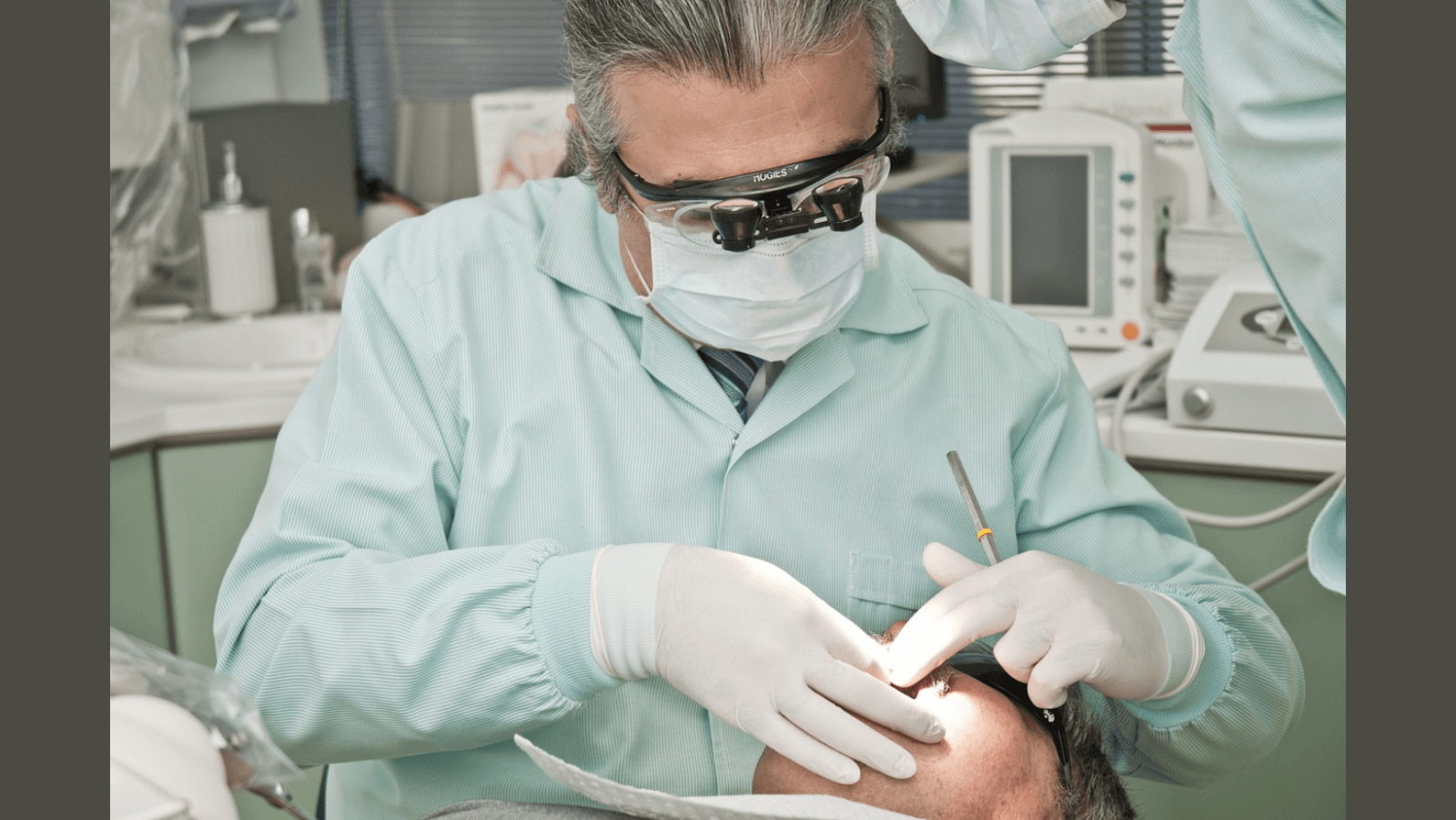
Is it ethical for dentists to perform facial aesthetic treatments and hair transplant procedures? The Karnataka State Dental Council (KSDC) has deemed such practices “unethical,” unless carried out by oral and maxillofacial surgeons.
The primary concern lies in ensuring that medical practitioners possess the necessary skills and expertise for the procedures they perform. Dentists, trained in oral care, may lack the specialised skills required for the complexities of facial aesthetics and hair restoration.
Emphasis on adherence to the code of ethics
The Karnataka State Dental Council issued the directive on January 2, 2025, placing the matter under legal scrutiny. The Karnataka State Dental Council may remove dentists who violate this directive from the Dental Register, leading to the revocation of their licenses.
The KSDC emphasised the importance of following the Revised Dentists (Code of Ethics) Regulation 2014. It addressed concerns such as misleading social media ads, associations with corporate entities, and participation in unauthorised dental courses or workshops.
Legal challenge
Currently, the Bombay High Court is adjudicating the eligibility of dentists to carry out such treatments. The ongoing court case features the Association of Oral and Maxillofacial Surgeons of India (AOMSI) defending their role in aesthetic procedures. They assert that their specialised training qualifies them to perform these treatments.
In 2022, the Dental Council of India (DCI) issued a guideline allowing oral and maxillofacial surgeons to perform aesthetic procedures. Dermatologists have contested these guidelines, opposing the involvement of dental professionals in aesthetic treatments.
The Dynamic Dermatologist and Hair Transplant Association has filed a legal challenge against the DCI’s guidelines. They argue that dermatologists should be the only ones allowed to perform these procedures. The association has also urged strict action against dental practitioners advertising aesthetic services. They claim such practices mislead the public and confuse qualifications required for these treatments.
Professional boundaries
The directive stresses the importance of dental practitioners in Karnataka adhering to ethical standards. It also highlights the need to avoid performing procedures beyond their scope of practice. The directive highlights the distinction between general dentists and oral and maxillofacial surgeons regarding advanced cosmetic procedures. It establishes clear professional boundaries between the two.