
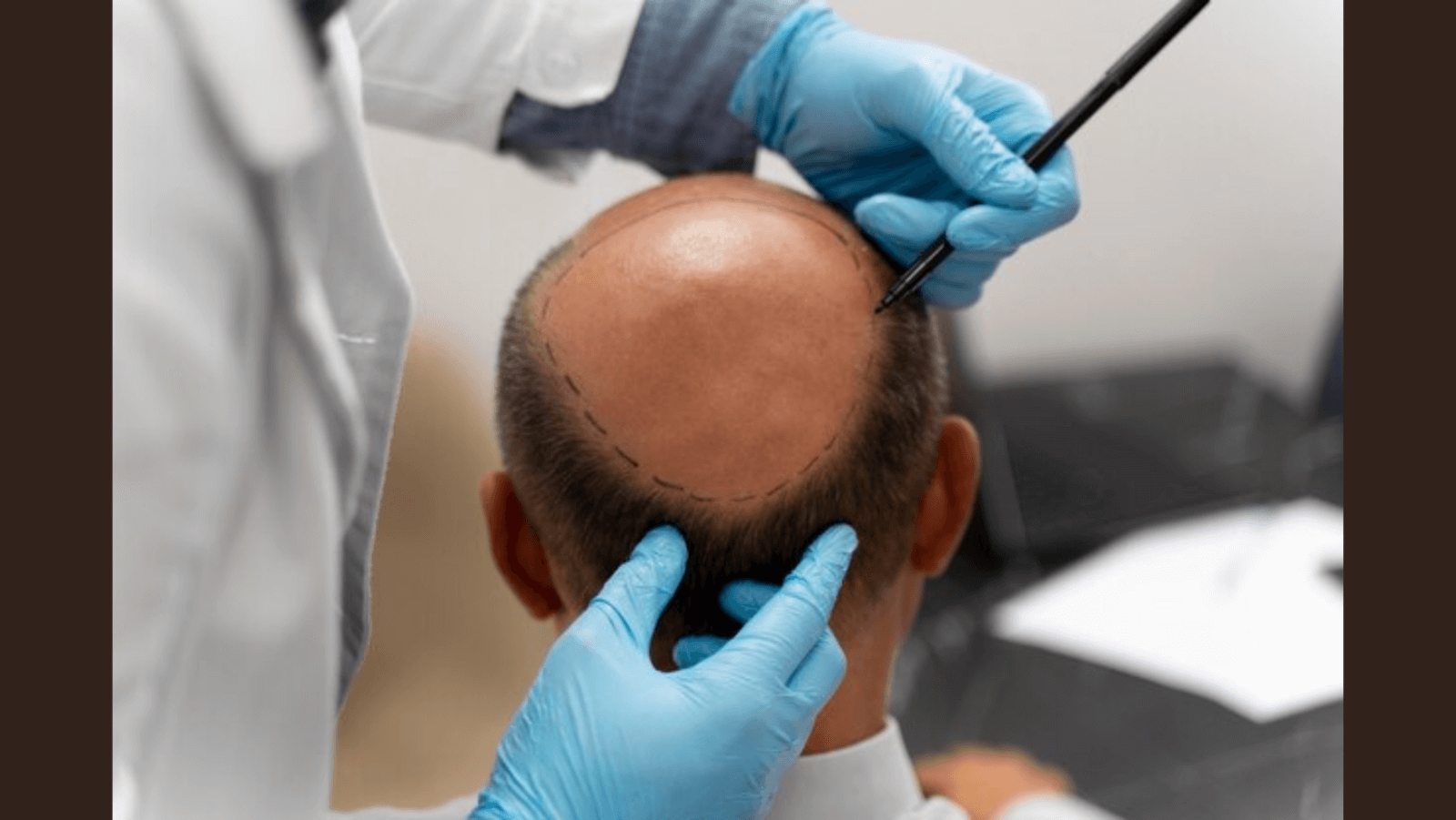
Hair loss affects millions of people, with hereditary-patterned baldness being the most common cause. Traditional treatments, such as minoxidil and finasteride, offer solutions but are not always effective for everyone. However, recent research has unveiled a promising new approach—a naturally occurring sugar gel that may revolutionise hair regrowth treatments.
Discovery of a new hair growth stimulator
Scientists investigating the healing properties of deoxyribose, a sugar that forms part of DNA, observed an unexpected phenomenon. Researchers found that applying the treatment to wounds in mice accelerated fur regrowth around lesions compared to untreated areas. This unexpected result led to further exploration of deoxyribose as a potential treatment for hair loss.
Researchers applied the sugar-based gel daily to bald patches on the mice. Within weeks, the treated areas exhibited robust hair regrowth, with longer and thicker strands emerging. The effectiveness of the sugar gel was found to be comparable to minoxidil, a widely used hair loss treatment.
How it works
Analysis of the treated regions showed an increase in blood vessel formation and enhanced skin cell activity. This suggests that the sugar gel improves blood circulation to the hair follicles, which in turn stimulates hair growth. A stronger blood supply to the hair bulb enlarges the hair shaft diameter, resulting in healthier, thicker hair growth.
Potential applications
Researchers believe deoxyribose gel could have broader applications, even though they initially studied it on male mice. The sugar gel may effectively treat alopecia in both genders and aid hair regrowth post-chemotherapy. Researchers must conduct further studies to determine its effectiveness in humans and its potential for treating female-pattern hair loss.
A promising future
Current treatment options for hereditary-patterned baldness are limited, and many come with unwanted side effects. The discovery of deoxyribose gel introduces a new avenue for hair restoration that is biodegradable, non-toxic, and naturally occurring. If human studies confirm its efficacy, this breakthrough could offer a safer, more accessible alternative to current hair loss treatments.