Laser treatments are always in demand and with that, the pressure for precision is higher than ever. With more people coming to clinics and medspas expecting good results, it is more important than ever to check their skin properly before treatment.
However, if the skin type or condition is not identified correctly, it can lead to problems like burns or scarring. This is more common in places run by non-physicians, where safety measures may not be as strong as in medical clinics.
Challenges with skin assessment in non-physician settings
Since there aren’t enough trained dermatologists, more skin checks and laser treatments are now being done by nurses and aestheticians instead. In fact, medspas now outnumber doctor-led clinics in many regions.
But here is the concern: studies show that these places often have more safety risks. If the skin type or condition is not judged correctly, it can cause serious problems like burns, scarring, or infections. This makes it harder to keep patients safe.
AI’s potential in improving skin assessments
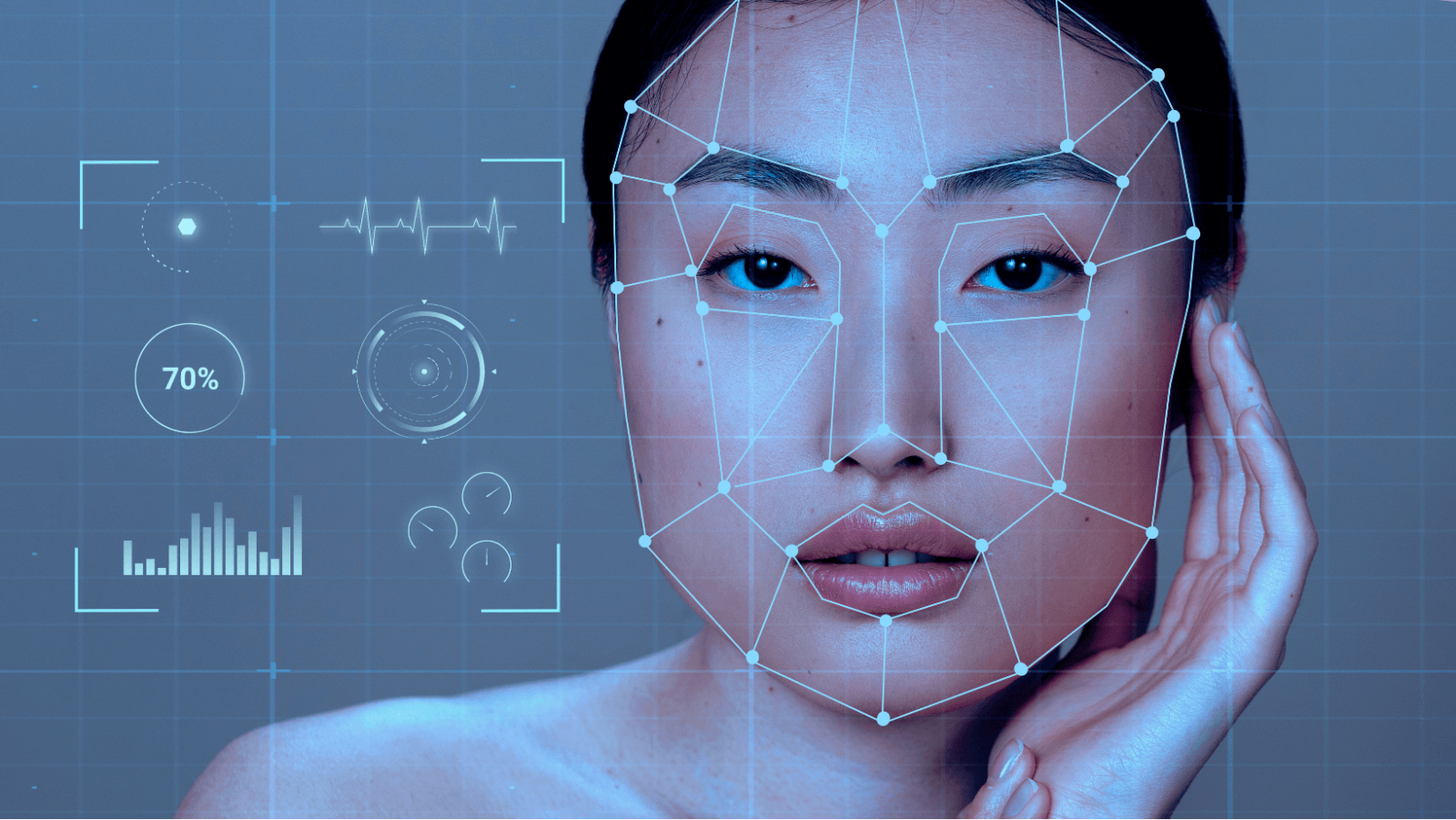
AI and machine learning are stepping in to help improve the way we assess skin. So far, machine learning models have done a pretty good job at identifying things like skin type, oiliness, or dryness with solid accuracy.
The catch? Most of these models only look at one feature at a time, which means they miss the bigger picture when it comes to evaluating skin more completely and practically.
A breakthrough in AI
One of the latest breakthroughs in AI-driven dermatology comes from a dataset called SkinAnalysis. It includes over 3,600 images, each labelled with important skin features like Fitzpatrick type, pigmentation, redness, and wrinkle severity.
The images are diverse and have been carefully labelled by experts. This makes the dataset a strong foundation for training AI models to assess several skin features at the same time.
AI models show strong accuracy
The study used well-known machine learning models like VGG 16, ResNet 50, and EfficientNet, and the results were quite promising. In some cases, the AI reached up to 85 per cent accuracy when evaluating complex skin features. That kind of precision shows AI could come close to matching expert-level assessments, making treatment planning more reliable.
Enhancing laser therapy planning and safety
Bringing AI-powered skin analysis into non-physician settings could really boost the safety and success of laser treatments. With more accurate skin assessments, AI can help prevent mistakes during treatment, leading to better results and fewer complications for patients.
The road ahead for AI in dermatology
The strong results from this study show how important it is to keep researching AI-driven treatment planning. Expanding data and improving AI models can lead to better skin assessments, making aesthetic treatments safer and more effective.
As AI tools continue to advance, the future of dermatology is looking smarter and more personalised.