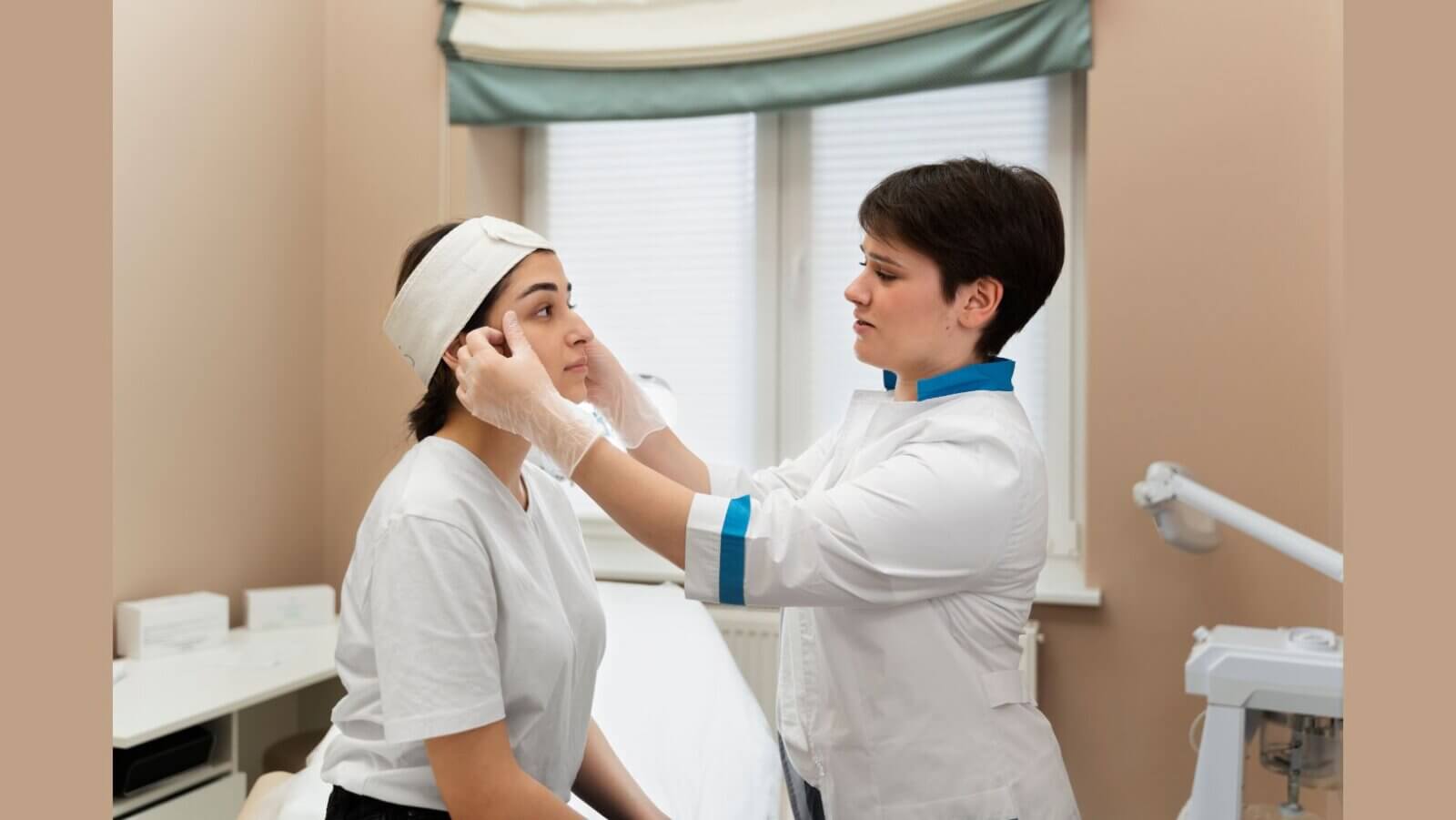
In today’s aesthetics and dermatology landscape, patient comfort is no longer a “nice to have”. It has become a core differentiator. Vibration-assisted anaesthesia is emerging as a simple and effective solution to reduce procedural pain. It also helps improve the overall patient experience during commonly performed dermatologic treatments.
A recent clinical study explored how a vibrating kinetic anaesthesia device could help manage pain. It focused on procedures such as intralesional injections and platelet-rich plasma therapy. Patients with two similar lesions or symmetrical treatment areas were treated with and without the device. This allowed for a direct and real-time comparison of pain levels.
Clear drop in pain scores
The results were difficult to ignore. With the use of vibration assistance, average pain scores dropped significantly across multiple pain measurement scales. Visual Analog Scale (VAS) scores reduced from around 6.4 to 3.9, while similar reductions were seen in Numeric Rating Scale (NRS) scores.
Around 75 per cent of patients experienced a reduction of at least two points on these scales, which is considered the minimum amount needed for a clinically meaningful improvement.
Even more interesting was the shift in how patients described their pain. Before vibration was used, terms like agonising and stabbing were common. After introducing VKA, descriptions shifted to dull, prickling, or even no pain.
Which procedures benefit the most
The device showed higher pain reduction in PRP treatments compared to intralesional steroid injections. In terms of indications, procedures for androgenetic alopecia showed stronger responses than those for alopecia areata. Younger patients and those with higher baseline pain levels also experienced greater relief.
For clinics and treatment chains, this creates a strong opportunity. It is especially useful for high-volume PRP and hair restoration practices where patient comfort affects treatment compliance and repeat visits.
Strong patient acceptance and safety
Perhaps the most compelling insight for practitioners is patient acceptance and patient comfort. Over 94 per cent of participants said they would prefer vibration-assisted anaesthesia for future procedures. No adverse events were reported, strengthening its safety profile for regular clinical use.
While the findings come with limitations, including single-centre data and possible novelty bias, the trend is clear. Vibration-assisted anaesthesia can be a powerful and low-risk addition to modern dermatologic practice.
For aesthetic and dermatology businesses looking to elevate patient experience without complex infrastructure changes, this technology offers a highly practical and scalable solution.