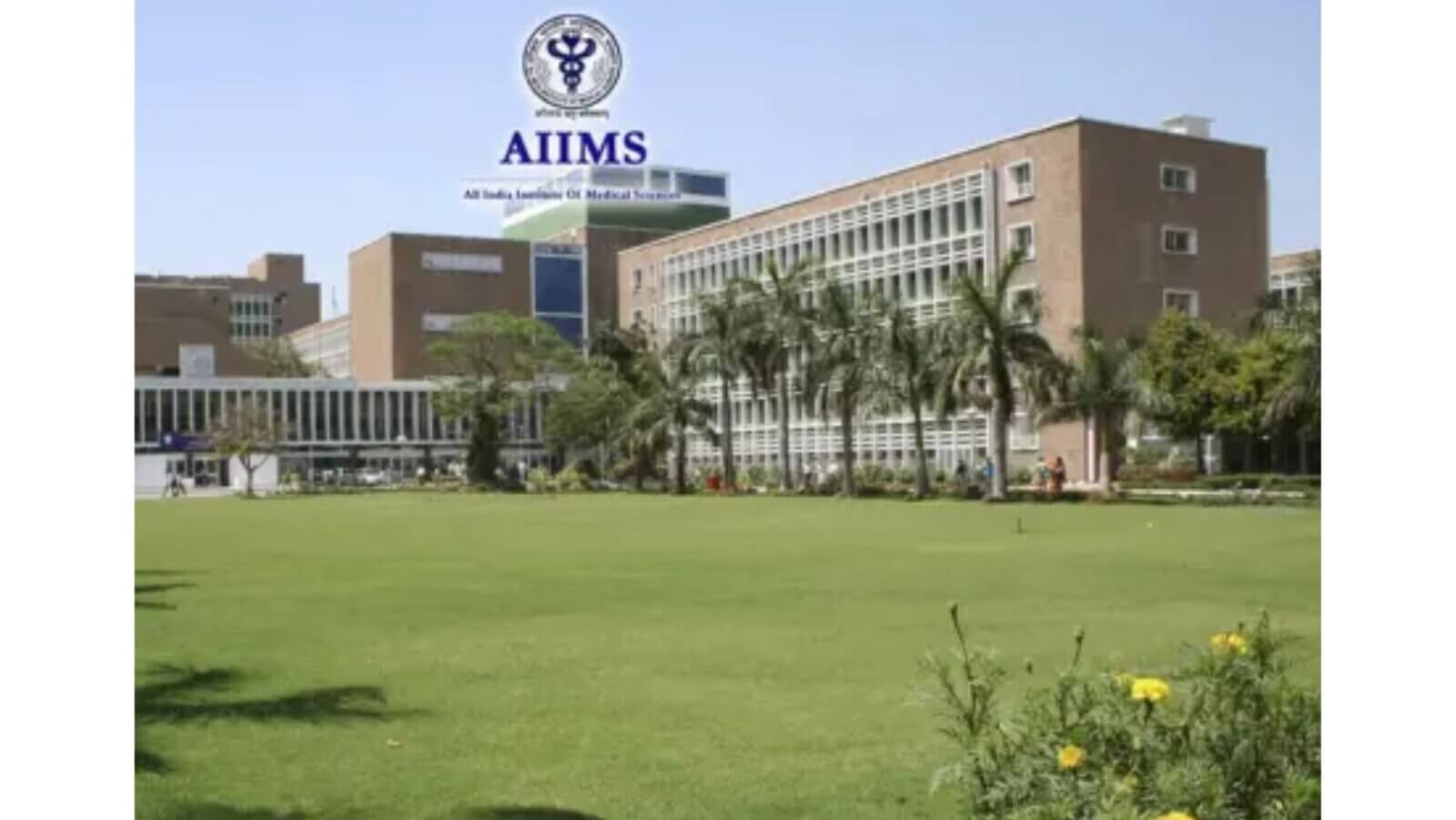
The All India Institute of Medical Sciences (AIIMS), New Delhi, is taking a leading role in India’s rapidly expanding aesthetic surgery sector. Demand for cosmetic and reconstructive procedures continues to rise across the country.
Training programme to upskill surgeons
Prof. Dr Maneesh Singhal, Head of the Department of Plastic, Reconstructive and Burns Surgery, is leading the initiative. The institute is hosting a three-day training programme titled Aesthetic Surgery Update. The initiative aims to equip more than 250 surgeons from across the country with advanced skills in modern aesthetic procedures.
Rising demand across procedures
The programme reflects a broader shift in India’s healthcare landscape, where aesthetic surgery is no longer confined to niche urban markets. Procedures such as liposuction, rhinoplasty, breast augmentation, abdominoplasty, and hair transplantation are witnessing growing demand. At the same time, non-surgical treatments like Botox and dermal fillers are becoming increasingly common.
Access and affordability remain barriers
Access and affordability remain major challenges, forcing many patients to travel abroad or depend on costly private facilities for treatment. AIIMS aims to bridge this gap by offering these procedures at significantly lower costs, making them accessible to a wider population.
Market growth raises ethical concerns
India ranks sixth globally in aesthetic surgery, with the market set to exceed $11.5 billion by 2030. This rapid expansion, however, has raised concerns among experts about over-commercialisation and the need for stricter ethical standards.
Focus on patient welfare and reconstruction
Doctors at AIIMS stress that aesthetic surgery must remain rooted in patient welfare rather than financial incentives. They highlight that plastic surgery extends far beyond cosmetic enhancement, encompassing critical procedures such as reconstructive surgeries for trauma, congenital conditions, and cancer patients.
Changing patient demographics
The institute also notes a shift in patient demographics. Aesthetic procedures are no longer limited to a small segment of society. More individuals, including men, are seeking treatments to improve body confidence and address conditions they previously hesitated to discuss.
Emphasis on screening and ethical practice
To ensure responsible practice, AIIMS places strong emphasis on patient screening and counselling. Doctors conduct psychological assessments before approving procedures and may decline surgery if they identify potential risks or unrealistic expectations. This approach reinforces the importance of ethical decision-making in a field often influenced by social media trends.
Impact of social media on expectations
Experts acknowledge that while social media has increased awareness, it has also created distorted perceptions of beauty and outcomes. As a result, medical professionals must carefully manage patient expectations and prioritise informed consent.
Building skills with responsibility
Through its training initiatives, AIIMS is working to standardise education and strengthen skill development in aesthetic surgery across India. The institute aims to build a workforce that balances technical expertise with ethical responsibility.
As the sector grows, AIIMS underscores the importance of sound judgement, patient selection, and ethical clarity. These factors will remain as critical as surgical skill in shaping aesthetic medicine in India.