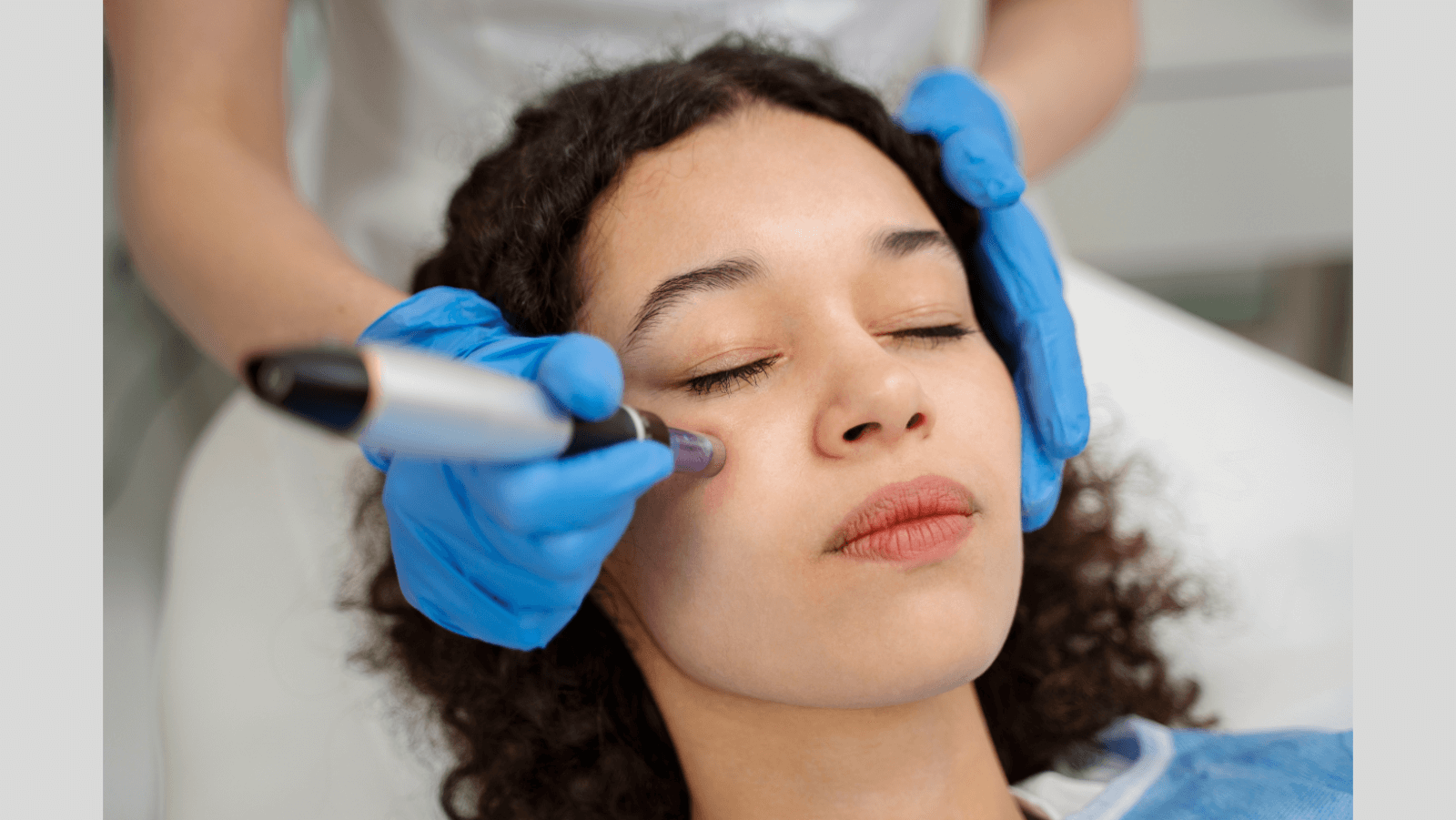
Doctors report a rising number of youth cosmetic surgery, driven by self-esteem issues and growing acceptance of aesthetic enhancements. Clinics across India report increasing enquiries and procedures from individuals seeking laser therapies, skin grafts, and gynaecomastia corrections. Patients pursue these treatments to boost confidence and feel comfortable with their appearance.
Shifting cultural norms
Medical professionals say that shifting cultural norms are normalising cosmetic interventions among younger age groups. In the past, patients underwent cosmetic surgery mainly to correct birth defects or signs of ageing. Today, they seek procedures to treat acne scars, pigmentation issues, and body image concerns that impact self-confidence. This trend reflects changing attitudes toward personal appearance, with beauty enhancements increasingly viewed as a form of self‑care rather than a taboo.
Social media influences perceptions
Experts also point to the powerful influence of social media and digital culture. Instagram, TikTok, and Snapchat expose users to idealised beauty standards and filters, shaping young people’s perceptions of attractiveness early. Research shows heavy social media and photo-editing app use increases dissatisfaction with real-life appearance and drives interest in cosmetic procedures.
Filtered images drive treatment requests
A cosmetic surgeon explained that young people constantly compare themselves to highly edited images and influencer content. He noted that filtered selfies often lead patients to ask if surgery can help them achieve similar looks. Increased screen time gives individuals repeated exposure to their own images and those of others.
Accessibility and acceptance boost demand
Accessibility and acceptance have also played a significant role. Advances in technology have made many procedures safer, less invasive, and more widely available. Younger clients seek nonsurgical laser treatments and minimally invasive enhancements as low-risk options to boost confidence and address specific concerns. Open discussions and online patient experiences have reduced stigma around cosmetic procedures, encouraging more people to pursue treatments confidently.
Importance of informed decision-making
Medical professionals emphasise the importance of informed decision‑making. While cosmetic procedures can improve self‑esteem for many, they are not without risk. Surgeons advise individuals to consult qualified medical professionals and fully understand both benefits and potential complications before undergoing any treatment. Experts warn social media’s unrealistic beauty portrayals create false expectations, urging media literacy and body-positive messaging to guide young people’s choices.
Psychologists and dermatologists noted that “selfie dysmorphia”, where people mimic filtered images, is emerging globally and influencing cosmetic surgery decisions. This underscores how digital platforms can shape perceptions of beauty and influence health‑related choices among impressionable users.
Balancing choice, expectations, and health
Despite the rise in youth interest, professionals caution that youth cosmetic surgery should be approached thoughtfully. They recommend psychological counselling, clear communication of risks, and consultations with certified practitioners to ensure safe, appropriate outcomes. As aesthetic trends evolve, patients and providers must balance personal choice, realistic expectations, and health considerations in the rapidly growing cosmetic field.