
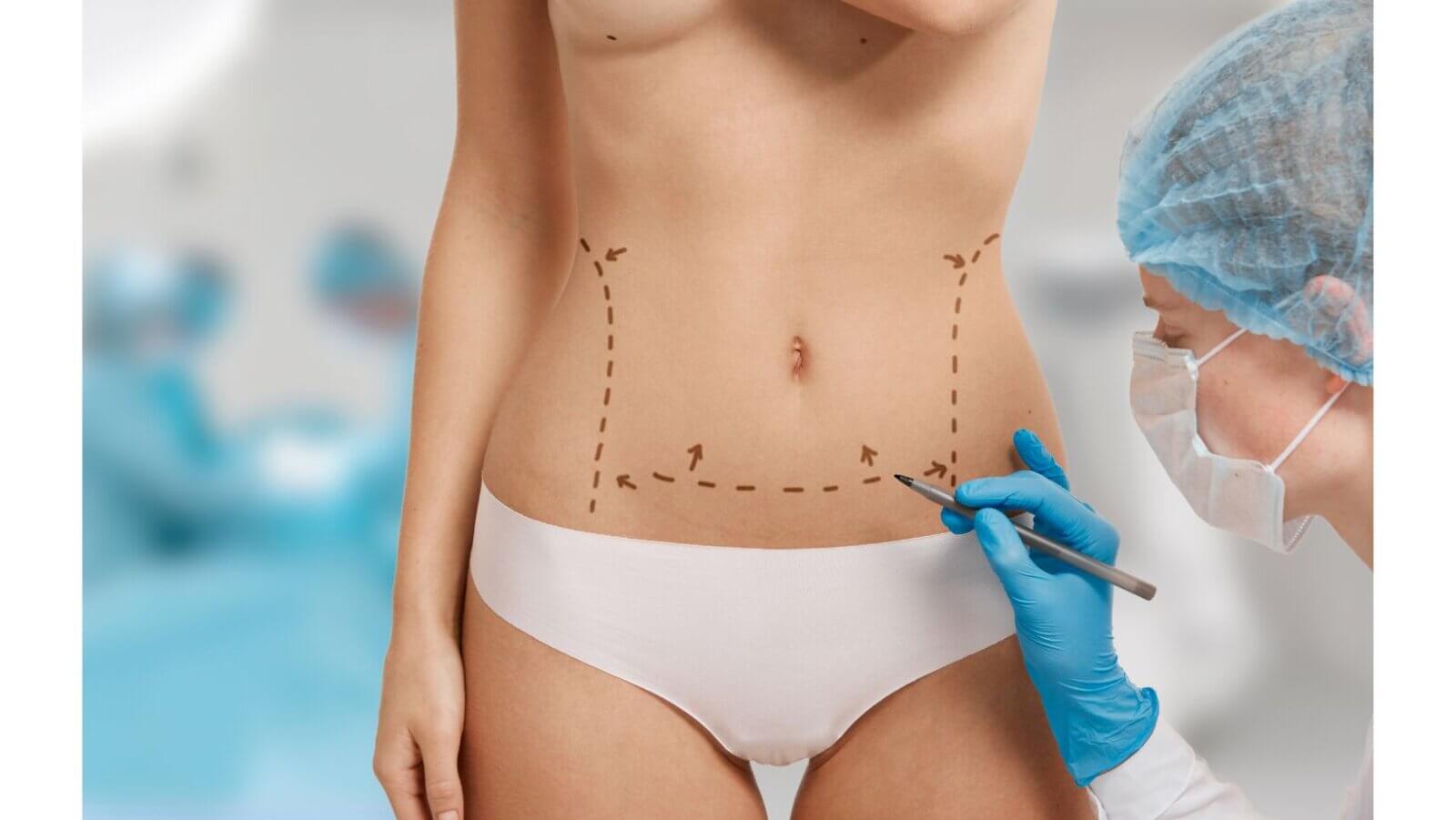
A new study shows tummy tuck surgery, or abdominoplasty, can reduce back pain and urinary incontinence in postpartum women. Researchers evaluated 214 women who underwent abdominoplasty with abdominal muscle repair, known as rectus diastasis.
The average age of participants was 42 years, and they had experienced an average of 2.5 deliveries.
Each woman completed health questionnaires before surgery, six weeks afterwards, and six months afterwards. These questionnaires assessed disability from back pain and urinary incontinence.
High rates of pre-surgery back pain and incontinence
Before surgery, 51 per cent of women reported moderate to severe back pain. About 42.5 per cent of participants also reported urinary incontinence as a significant issue.
Six months after the procedure, only 9 per cent of women reported moderate back pain. Fewer than two per cent of participants still experienced urinary incontinence six months post‑surgery. Back pain scores continued improving between six‑week and six‑month follow‑ups. Urinary incontinence showed the most improvement by six weeks after surgery.
Abdominoplasty restores abdominal function and stability
Lead author D. Alastair Taylor, FRACS, said abdominoplasty provides functional and cosmetic benefits. He noted that restoring abdominal wall strength and stability reduces back pain and incontinence.
The improvements occurred regardless of the specific surgical technique used in abdominoplasty.
Plastic surgeons typically perform tummy-tuck surgery to restore pre-pregnancy abdominal shape after multiple pregnancies. The procedure removes excess skin and fat while repairing separated abdominal muscles. Many women also include abdominoplasty in “mommy makeover” procedures after childbirth.
Repairing weakened abdominal muscles helps reduce strain on the lower back. Muscle repair also stabilises pelvic structures, improving bladder control. Experts suggest this support explains why patients report less back pain after surgery.
Experts highlight functional as well as cosmetic benefits
Rod J. Rohrich, MD, Editor‑in‑Chief of Plastic and Reconstructive Surgery, echoed these functional benefits. He emphasised that abdominoplasty helps postpartum women beyond cosmetic improvements.
Women who have completed childbearing may consider abdominoplasty to address persistent symptoms. The surgery remains elective, and surgeons should discuss risks and benefits with patients.
Widespread impact and future implications
The study was published in Plastic and Reconstructive Surgery and covered multiple Australian centers.
Nearly 128,000 abdominoplasty procedures occurred in the United States in 2016, according to the American Society of Plastic Surgeons.
Researchers highlighted that abdominoplasty can significantly improve quality of life in postpartum women. Functional improvements and cosmetic outcomes together make this procedure attractive for suitable candidates. The study reinforces abdominoplasty as both a medical and aesthetic procedure for women with postpartum complaints.
Surgery improves quality of life
Patients and surgeons should consider abdominoplasty as a treatment option for persistent back pain and incontinence. The study’s findings highlight the broader impact of abdominoplasty on musculoskeletal and pelvic floor health.
Researchers concluded that abdominoplasty offers lasting relief and functional benefits in addition to improved appearance. This evidence may encourage more women to discuss surgical options for postpartum complications.
Tummy tuck surgery with muscle repair provides measurable improvements in physical function and overall wellbeing. The research suggests that cosmetic surgery can also deliver meaningful health benefits for specific populations.