Permanent makeup (PMU) in India is quietly transitioning from a niche beauty offering into a structured, skill-driven vertical within aesthetic medicine. Yet the growth of this industry is not simply about demand or trends. Sustainable progress depends on clinical precision, ethical responsibility, patient trust, and the ability to scale practices without compromising safety.
Over the past decade, I have had the opportunity to watch this industry evolve from near obscurity into one of the fastest-growing segments in aesthetics. When I performed some of the earliest PMU procedures in India around 2016, most clients did not even know what permanent makeup meant. Today, patients actively research procedures, compare practitioners, and travel across cities for trusted experts.
This journey offers a useful lens into what it really takes to build skills, trust, and scale in India’s emerging permanent makeup ecosystem.
Beyond beauty: Understanding the responsibility of permanent makeup
Permanent makeup is often perceived as a beauty enhancement. In reality, it is far more than that.
When pigment is implanted into the skin, the change is not merely cosmetic. It can alter how a person feels about themselves. I have seen women walk into clinics, hesitant and unsure, and leave with renewed confidence. Something as simple as restored brows or lip colour can change how someone looks at themselves in the mirror at six in the morning before the world sees them.
For that reason, PMU should not be treated as just an artistic service. It is a clinical intervention with long-lasting consequences. Precision, understanding of tissue, and proper healing protocols are essential.
My own background played an important role in shaping this perspective. Training in tissue biology, wound healing, and clinical discipline made it clear that PMU requires far more than aesthetic talent. It requires medical understanding.
Building a market that barely existed
When I began working in this space, the Indian PMU ecosystem was almost non-existent.
Clients would ask basic questions such as whether it was a tattoo, whether the colour would turn blue, whether the procedure was safe, and what would happen to their face over time.
At that stage, there were no structured training programmes in India and no local suppliers for professional PMU products. Every cartridge, pigment, and disposable component had to be imported. Awareness was minimal and convincing clients required extensive consultation and education.
In hindsight, the biggest challenge was not competition. It was building a market from the ground up. Today, the scenario is dramatically different.
India’s fast-growing PMU market
Globally, the permanent makeup industry is valued at billions of dollars and continues to expand rapidly. In India, the segment is estimated to be growing at nearly 40 per cent annually.
However, the most striking aspect of this growth is that it is largely unregulated. High demand combined with limited oversight creates both opportunity and risk.
Several forces are driving this expansion
- Social media influence
Platforms such as Instagram have made defined brows and subtle enhancements aspirational across demographics. Clients who would never have considered PMU five years ago are now researching it actively.
- Celebrity adoption
When high-visibility public figures openly adopt PMU procedures, they normalise them for millions of followers.
- Rising demand in smaller cities
Demand is no longer confined to metropolitan centers such as Mumbai, Delhi, or Bengaluru. Smaller cities are showing significant interest and search activity.
- Medical clinic adoption
Skin and aesthetic clinics are increasingly integrating PMU as a legitimate high-margin service within their practices.
The market is not something that will arrive in the future. It is already here and moving quickly.
The industry’s real challenge: Lack of standards
Despite the demand and talent available in India, the industry faces a serious structural problem. Structured training programmes, standardised protocols, and clinical discipline are still limited.
At present, almost anyone can purchase a PMU machine and begin offering procedures without licensing, certification, or proof of training. Clients often book appointments based on Instagram photos or price rather than clinical credibility.
The consequences of poor training can be severe. Scarring, pigment migration, infections, and permanent discolouration are real risks. These outcomes are not temporary mistakes. They remain on the patient’s face.
Addressing this gap in standards is one of the most urgent challenges facing the industry.
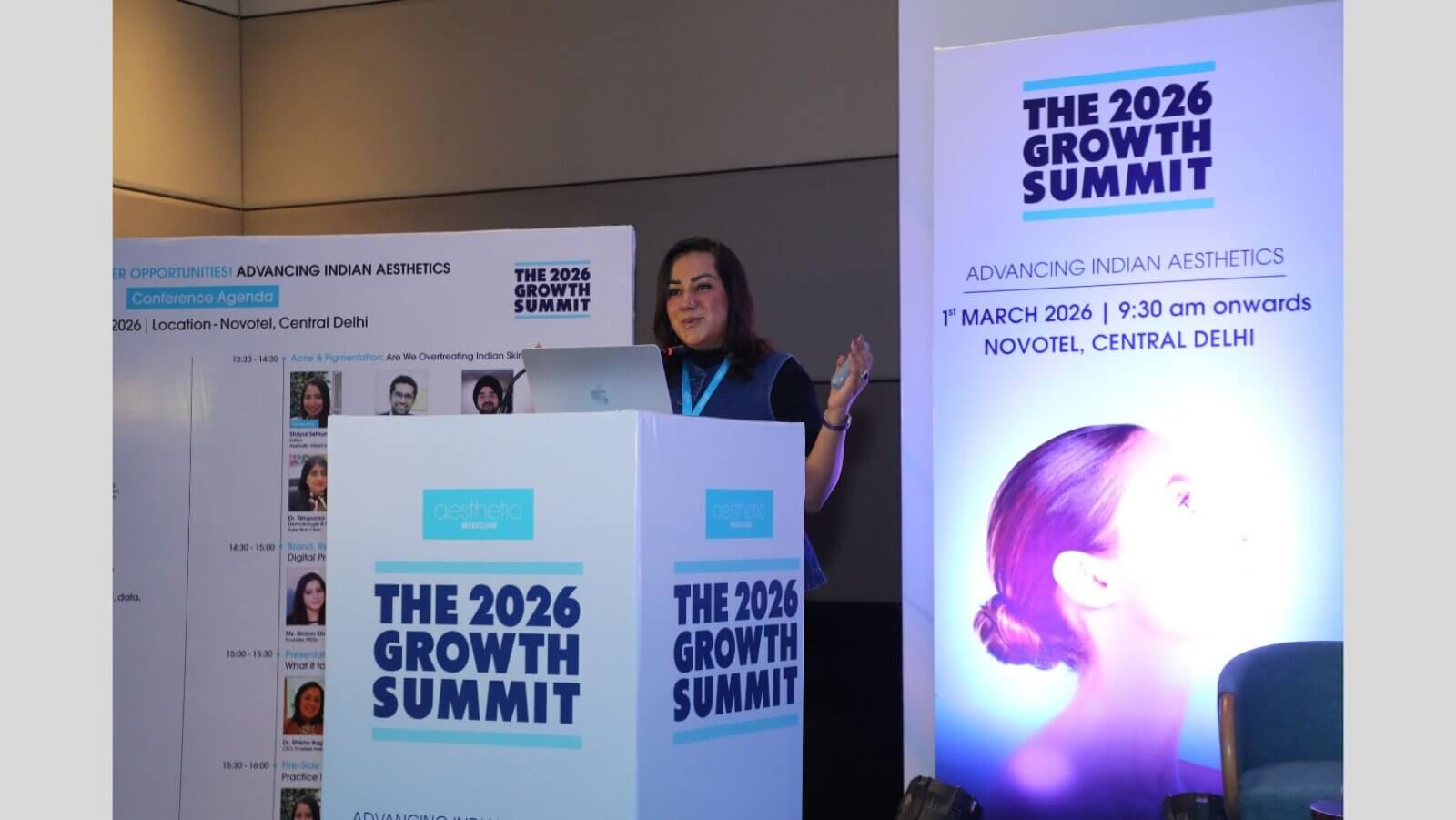
To read more on clinical discipline, ethical PMU practice, and the evolving standards shaping permanent makeup in India, turn to page 40 of the Aesthetic Medicine India Jan–Mar magazine edition featuring Dr Shikha Bhagi. Click here to read more.