
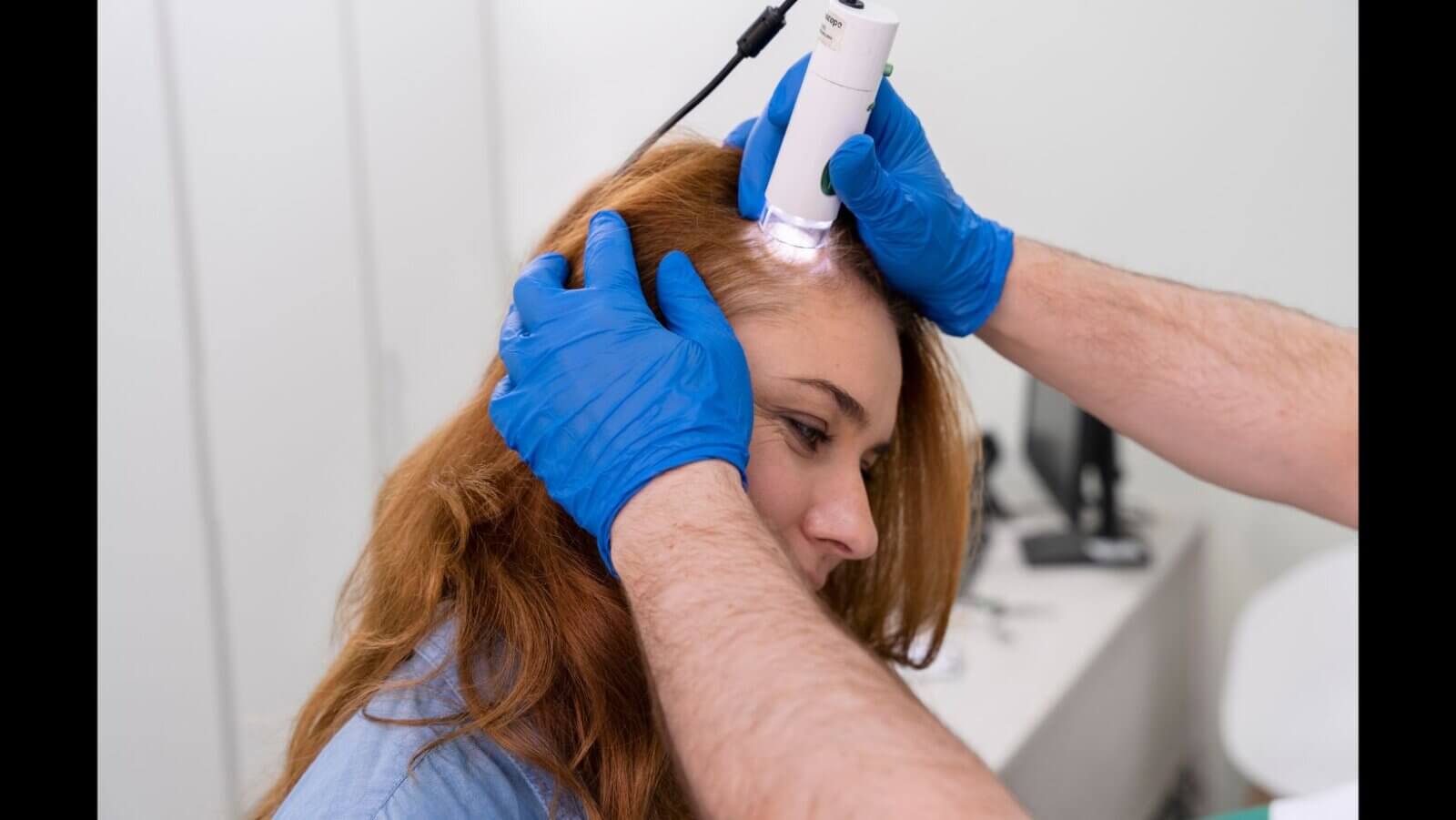
Doctors are exploring a shift toward precision-based biological signalling in hair restoration treatments.
A recent report highlights emerging approaches in regenerative dermatology research. The focus is on re-engineering cellular communication pathways to improve hair regrowth outcomes. Researchers are studying how follicles respond to biological signals at a molecular level. They aim to improve treatment accuracy by targeting underlying signalling mechanisms.
Growing shift toward precision medicine in dermatology
The article describes growing interest in precision medicine within dermatology. Experts are moving beyond traditional topical and surgical hair restoration methods. They now explore biologically guided therapies that influence follicle regeneration.
This approach seeks to activate dormant hair follicles more effectively. It also aims to extend the growth phase of hair cycles.
Understanding biological drivers of hair loss
Scientists are examining how disrupted signalling contributes to hair loss conditions. They believe correcting these pathways may restore natural hair growth patterns. Research teams are focusing on cellular environments surrounding hair follicles.
They study how inflammation and hormonal factors affect follicle health. This helps identify potential intervention points for treatment development.
Bioengineering advances in Targeted Therapies
The report emphasises the role of bioengineering in modern hair restoration. Researchers are designing targeted therapies that interact with biological systems precisely. These therapies aim to reduce side effects seen in conventional treatments. They also seek to improve the long-term sustainability of hair regrowth results.
Doctors highlight that hair loss remains a complex biological condition. Multiple genetic and environmental factors influence its progression. Precision signalling approaches attempt to address these multiple pathways simultaneously. This differs from older methods that target only surface-level symptoms.
Collaboration between dermatology and bioengineering
The article notes increasing collaboration between dermatologists and bioengineers. These collaborations support development of advanced regenerative solutions. Laboratories are testing compounds that modulate signalling proteins in follicles. Early-stage studies show promising responses in controlled environments.
Experts caution that clinical validation remains necessary before widespread use. They emphasise the importance of rigorous trials for safety and effectiveness. Regulatory approval processes will determine future availability of such treatments.
Towards personalised hair restoration models
Researchers also explore personalised treatment models for hair restoration. These models adapt therapies based on individual biological profiles. Precision diagnostics may help identify specific signalling disruptions in patients. This could allow more targeted and efficient treatment planning.
The report suggests that digital tools may support this personalised approach. Artificial intelligence systems could analyse biological data patterns. These systems may help predict treatment responses more accurately.
Future of integrative regenerative medicine
Doctors believe the field is moving toward integrative regenerative medicine. This combines biology, engineering, and clinical dermatology expertise. The goal is to create more natural and durable hair restoration outcomes.
The article concludes that precision signalling represents a promising research direction. However, it remains in early development stages across most clinical settings. Experts expect gradual progress as more studies validate these approaches. They anticipate continued innovation in hair restoration science over the coming years.