The global mesotherapy market could reach US$1.4 billion by 2034, according to analysis by Transparency Market Research. The market was valued at US$801.2 million in 2023. It is expected to grow at a CAGR of 5.2% from 2024 to 2034.
Growing consumer interest in minimally invasive aesthetic procedures continues to support market expansion. Patients increasingly seek treatments with shorter recovery periods and targeted applications.
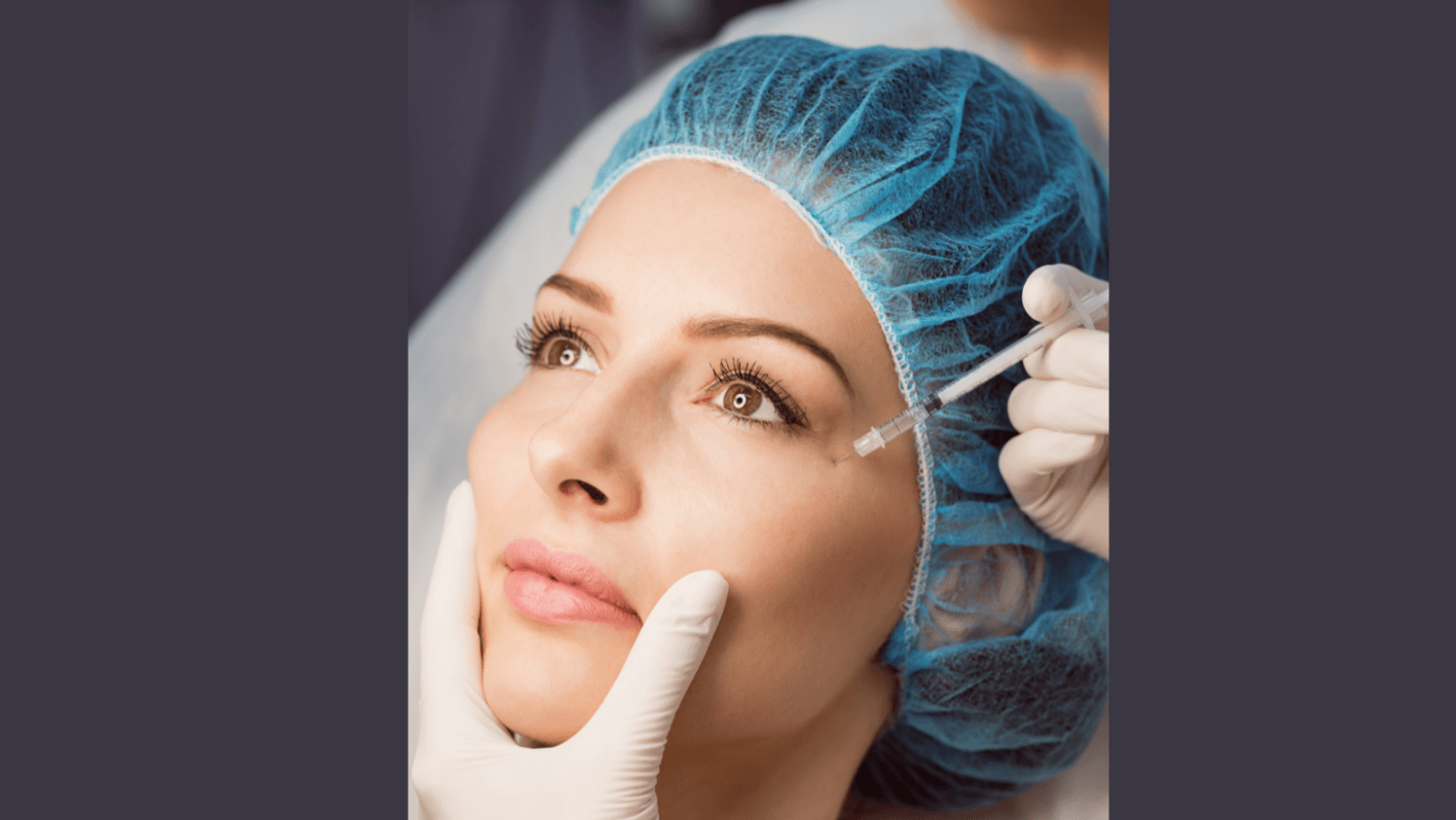
Mesotherapy uses multiple microinjections to deliver selected ingredients into targeted areas of the skin. These formulations can contain vitamins, minerals, amino acids, enzymes, and other substances. Practitioners use mesotherapy for several aesthetic concerns. These include skin hydration, revitalization, acne scars, fine lines, wrinkles, and hair thinning.
Combination therapies create new opportunities
Combination treatments represent another major growth driver for the market. Consumers increasingly seek customised approaches that address multiple aesthetic concerns.
Practitioners may combine mesotherapy with other aesthetic or regenerative treatments. Mesobotox, for example, combines mesotherapy techniques with diluted botulinum toxin.
Some practitioners also combine mesotherapy with platelet-rich plasma for hair-loss management. These approaches offer additional options for customized treatment strategies.
Hair-loss treatments expand market potential
Hair loss represents an important application area for mesotherapy. Rising interest in minimally invasive hair and scalp treatments continues to create opportunities.
Consumers are increasingly exploring non-surgical options for hair thinning and androgenetic alopecia. Clinics are also expanding their aesthetic dermatology and hair-restoration services.
Manufacturers continue developing specialised formulations for different skin and hair-related concerns. This trend could further expand mesotherapy applications.
Regulatory differences remain a challenge
Despite strong growth prospects, regulatory differences could restrict market development. Countries maintain different requirements for mesotherapy ingredients, products, devices, and procedures.
The US, for instance, has no specific FDA approval for mesotherapy as a procedure. Some ingredients may instead carry approval for other applications. Safety concerns could also influence adoption. Patients may experience swelling, bruising, sensitivity, itching, or skin discoloration after treatment.
Greater regulatory clarity, practitioner training, and product quality controls could support sustainable market growth.
North America maintains its lead
North America dominated the global mesotherapy market in 2023. The region benefits from established aesthetic medicine infrastructure and strong consumer awareness. Europe also remains an important market, supported by established aesthetic medicine services and demand for minimally invasive procedures.
Meanwhile, Asia Pacific could offer significant growth opportunities. Rising disposable incomes and expanding aesthetic clinics are increasing access to cosmetic treatments. China, India, Japan, Australia, and New Zealand represent key markets across the region.
Overall, personalized treatments, combination therapies, and minimally invasive procedures will shape the mesotherapy market through 2034.
Also read: Suture needles find growing role in aesthetic market