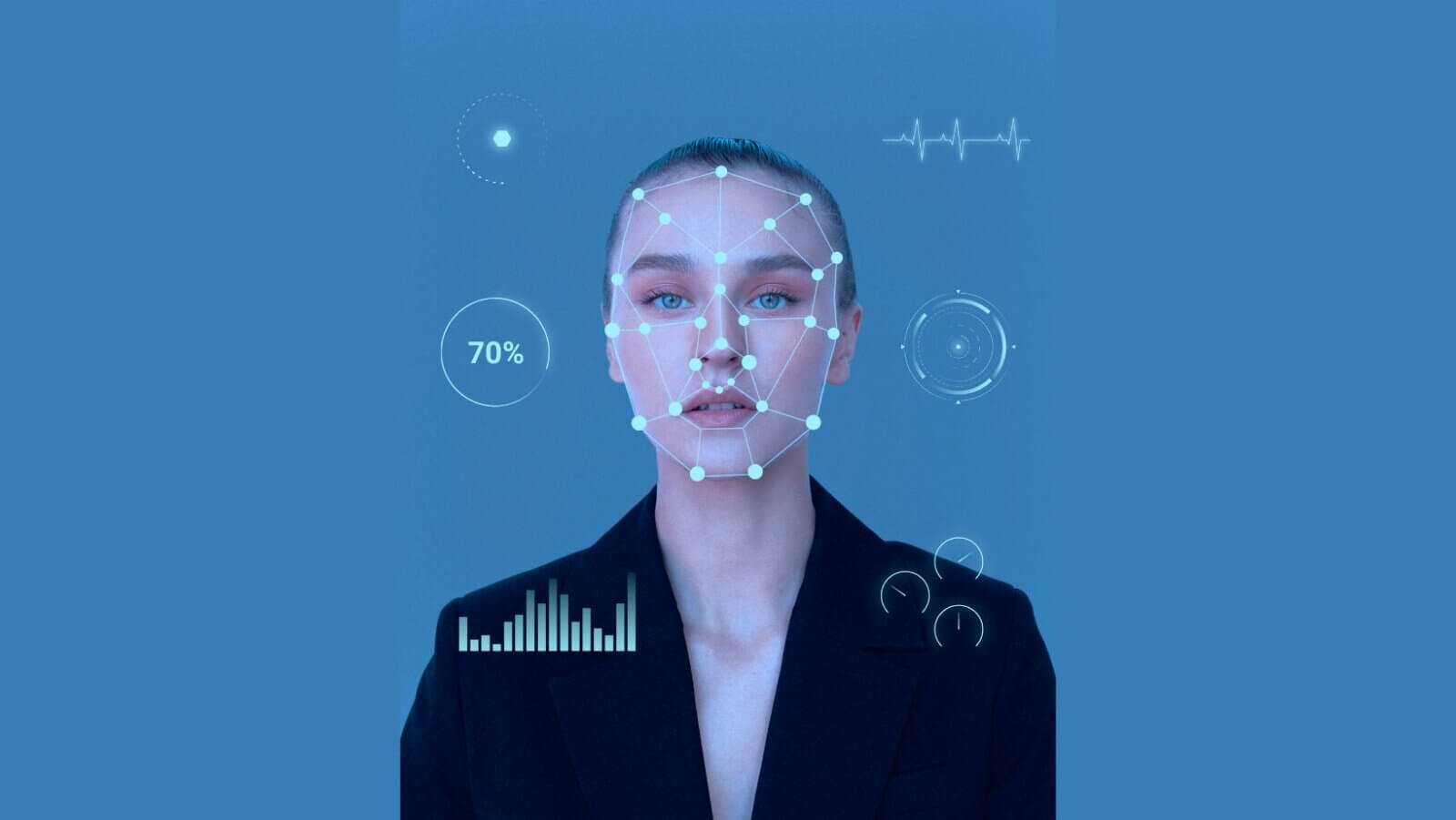
The aesthetic world is moving toward a future where treatments are sharper, safer, and more personalised thanks to AI-powered analysis. Imagine a system that scans the skin’s thickness, sensitivity, and texture before a laser or needle even touches the surface. This level of precision brings aesthetic care closer to scientific perfection, reducing risks like burns, hyperpigmentation, and scarring.
The regulatory gap
Countries like the US and UK already follow strict AI and patient data laws. India, however, currently operates without dedicated regulations governing medical AI. As adoption increases, this gap puts both providers and patients in a vulnerable position.
Advanced algorithms demand massive data sets for accuracy, and this raises significant questions around consent, ownership, and how patient information is used.
Key challenges: Privacy, bias, and the black box
AI in dermatology faces three major risks.
- Privacy: Training high-accuracy AI-powered models requires large volumes of patient images and clinical data. Without clear laws, data handling becomes a grey area.
- Algorithmic bias: If most training data comes from non Indian skin types, results may not translate accurately to Indian patients, leading to incorrect assessments or inappropriate treatment suggestions.
- The black box problem: AI can recommend treatment plans without revealing the reasoning behind them. When outcomes go wrong, accountability becomes blurred, creating ethical and medico-legal concerns.
Human judgment must remain central. AI can guide, but not replace the practitioner.
How AI adds value in clinical workflows
AI-driven tools are already supporting clinics by mapping pores, inflammation, and pigmentation through 3D imaging and by tracking measurable before and after results. They also enhance transparency through data-backed reports and streamline patient education and operational tasks such as scheduling and FAQs.
The biggest advantage is objective assessment. Even when patients do not notice changes, AI-based imaging can highlight subtle improvements and reinforce trust.
Why human expertise still leads
AI recommendations may sometimes overestimate treatment needs or suggest uniform injection points that do not suit every face. This is where clinical experience remains irreplaceable. Every patient’s anatomy, goals, and safety considerations differ, and no algorithm can fully capture that.
The road ahead
As AI continues shaping aesthetic dermatology, the industry must balance innovation with responsibility. Strict regulation, diverse datasets, and strong clinical oversight will determine how safely and effectively AI can elevate patient outcomes. AI can enhance aesthetic practice only when guided by expert hands.