
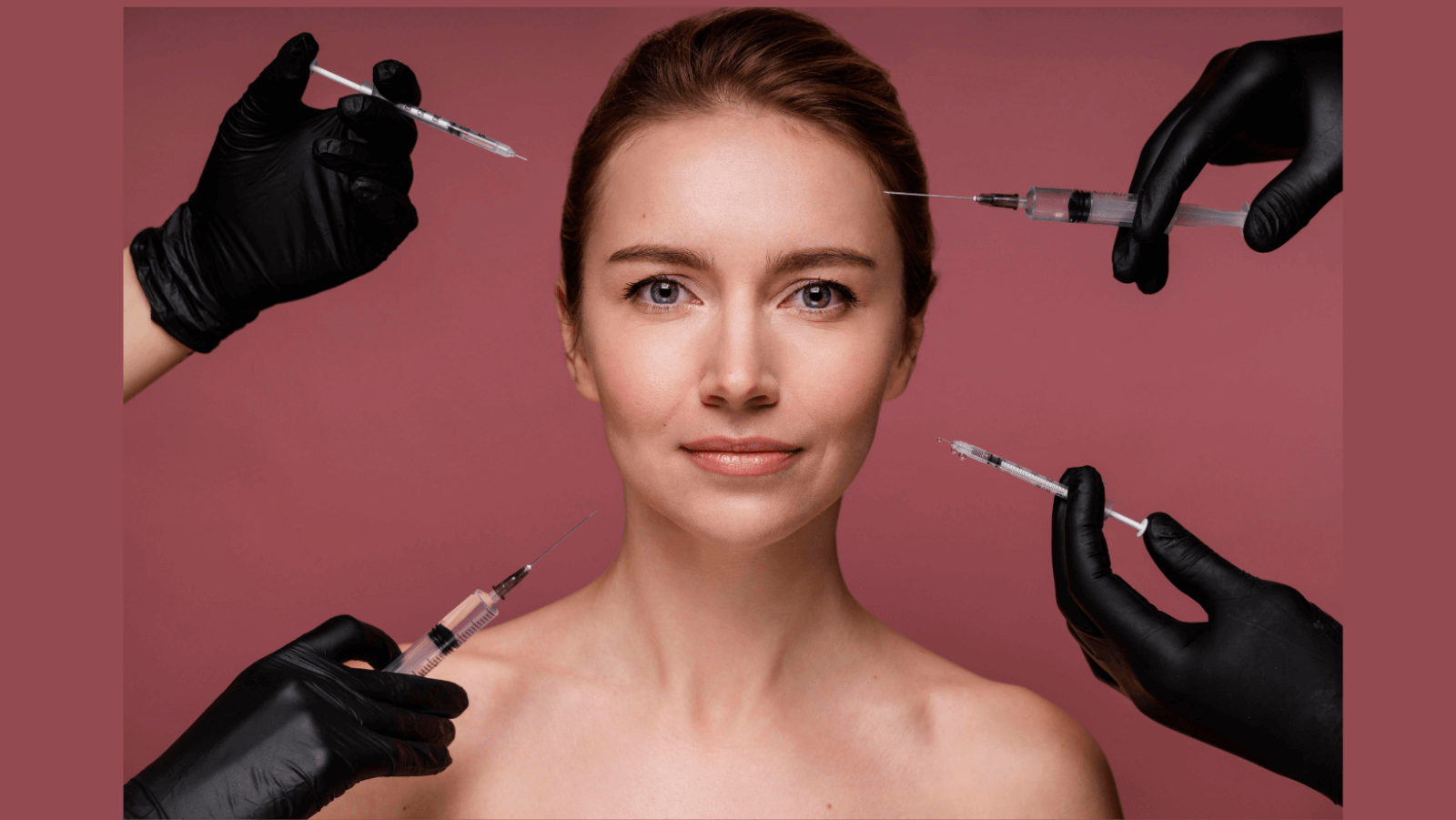
The global aesthetic market is undergoing a structural transformation, signalling a lucrative era for stakeholders and practitioners. SNS Insider projects the combined dermal fillers and botulinum toxin market will hit $10.16 billion by 2033. This growth is not merely a trend; it represents a fundamental shift in consumer behaviour toward minimally invasive aesthetic procedures.
Strategic market expansion
The transition from invasive surgery to non-surgical injectables drives this valuation. For business owners and clinical directors, this shift offers a unique opportunity for high-volume service delivery. Unlike traditional plastic surgery, which requires significant overhead and recovery facilities, injectables allow for faster patient turnover and lower operational barriers. This efficiency directly correlates with increased profit margins and scalable business models.
Technological innovation remains the primary catalyst for market confidence. Manufacturers continue to refine product formulations, delivering fillers with superior rheological properties and botulinum toxins with faster onset times. These advancements reduce the risk of adverse events and improve patient retention rates, which are critical metrics for any practice.
Dominant segments and growth verticals
Hyaluronic Acid (HA) fillers currently command the highest market share. Their status as the industry gold standard stems from their versatility and the safety profile offered by their reversibility. HA fillers represent a reliable revenue stream with high patient satisfaction scores.
Simultaneously, the botulinum toxin segment is projected to witness the highest compound annual growth rate (CAGR). The diversification of applications—moving beyond basic wrinkle relaxation into preventive treatments and therapeutic uses—expands the addressable market. Practices that integrate these products into a holistic patient journey see higher lifetime value per client.
Regional outlook
North America continues to dominate the landscape due to high consumer spending and a sophisticated network of specialised clinics. However, the Asia-Pacific region represents the most significant growth frontier. Rapid urbanisation and a burgeoning middle class in this region provide a fertile environment for market entry and expansion.
The rise of medical spas as a preferred delivery channel further illustrates the market’s evolution. These facilities bridge the gap between clinical dermatology and luxury wellness, attracting a demographic that prioritises both efficacy and experience.
Looking ahead
The path to $10.16 billion is paved with innovation and accessibility. Aesthetic clinics must invest in premium injectables and optimise delivery to meet rising demands for natural, immediate results. The next decade will reward those who capitalise on the increasing normalisation of aesthetic maintenance.