
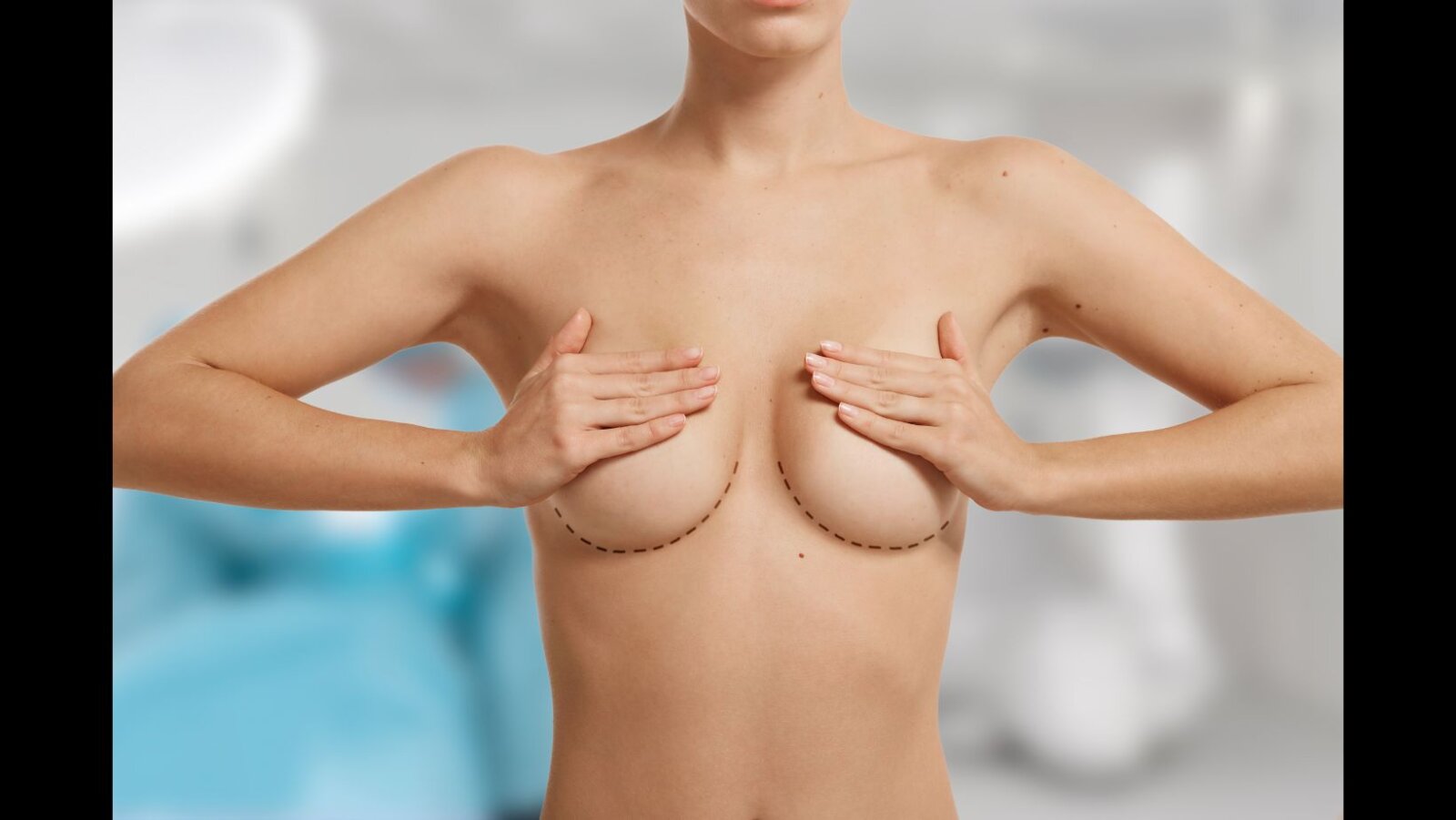
DataM Intelligence reports that the breast reconstruction market was valued at USD 574.33 million in 2022. It is expected to grow at a 6.4% CAGR, reaching USD 934.30 million by 2030.
Breast reconstruction involves various surgical techniques designed to restore the shape and appearance of the breast following mastectomy, lumpectomy, or congenital anomalies. These techniques include implant-based reconstruction, autologous tissue flaps, and bioengineered tissue scaffolds. Increasing awareness and evolving patient expectations have fuelled the demand for minimally invasive procedures and biocompatible materials.
Key factors
One of the key factors fuelling market growth is the growing influence of aesthetic medicine and dermatological advancements. Growing awareness of cosmetic results drives more patients to choose breast reconstruction to improve body image and boost self-esteem. Advances in skin regeneration, scar reduction, and implant materials make breast reconstruction key to aesthetic recovery and overall wellness.
The market is also witnessing innovation through ongoing clinical trials and product development. In April 2025, researchers launched the TIDE trial to evaluate MATTISSE, a scaffold promoting fat regeneration through one incision. Researchers are testing FlexHD® Pliable in the SHAPE trial to improve implant coverage and aesthetic results in pre-pectoral reconstruction.
Shifting preferences
More patients are choosing autologous reconstruction over implants for better aesthetics and fewer long-term risks. Many women now undergo immediate reconstruction during mastectomy, reducing the need for multiple surgeries and speeding up recovery. Surgeons increasingly perform outpatient and minimally invasive procedures, enabling quicker recovery and broader access to care.
At the same time, innovators are integrating 3D bioprinting and regenerative medicine—such as stem cells—to deliver customised, efficient reconstruction solutions. These advancements are transforming the patient experience, reshaping clinical workflows, and positioning breast reconstruction as a key area of growth in personalised surgical care.
The future of reconstructive care
Rising patient expectations and surgical innovations are making breast reconstruction a vital part of holistic, patient-focused recovery. Advancing clinical trials and maturing technologies like 3D bioprinting offer clinics, OEMs, and investors a chance to transform reconstructive care. By driving innovation and focusing on personalised outcomes, stakeholders can make breast reconstruction safer, smarter, and more widely accessible.