
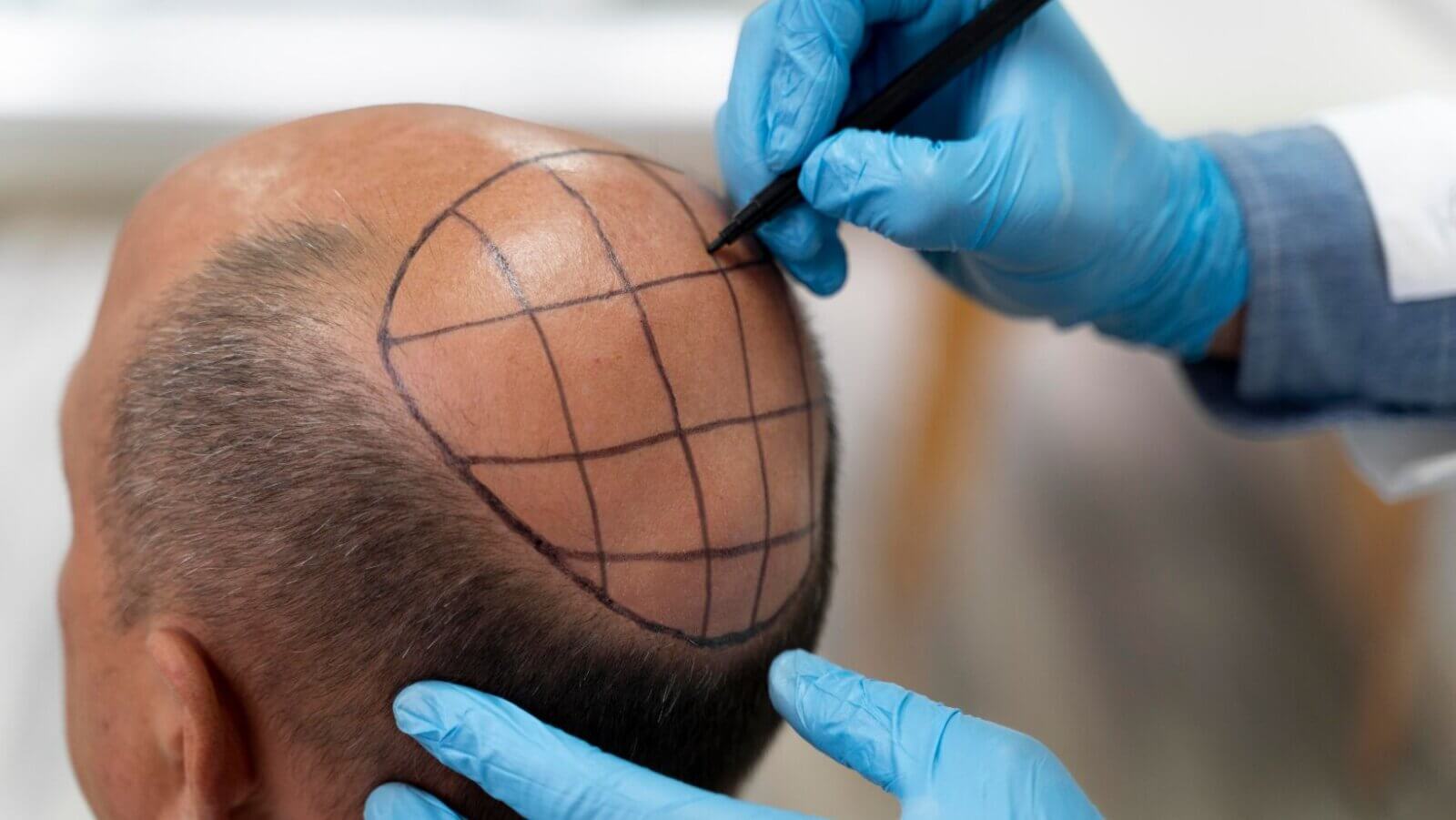
The global market for hair transplant system is set for rapid growth, projected to reach US$ 44.24 billion by 2032. It will grow from US$ 11.25 billion in 2025 at a CAGR of 21.6 per cent. Rising demand for aesthetic procedures and technological advances are driving this growth worldwide.
Hospitals and clinics adopt advanced systems
Hospitals, dermatology clinics, and plastic surgery centers increasingly adopt advanced transplant systems. Robotic and handheld devices enhance precision, efficiency, and minimally invasive treatment outcomes. Follicular Unit Transplantation (FUT) and Follicular Unit Extraction (FUE) dominate procedure types.
Regional demand trends
North America and Europe show strong demand due to awareness and higher disposable incomes. The Asia-Pacific region experiences growth from medical tourism, better healthcare, and rising cosmetic interest. South America and the Middle East & Africa gain momentum through urbanisation and better healthcare access.
Robotic and handheld systems are see growing adoption
Robotic systems gain popularity for accuracy and repeatability, while handheld devices remain cost-effective. FUE continues as the preferred minimally invasive procedure, with robotic assistance growing faster. Robotic methods reduce recovery time and improve precision compared to traditional techniques.
Market segmentation and end-users
The market segments include product type, procedure type, gender, and end-user categories. Hospitals, clinics, and specialised centres form the primary end-user segment driving adoption. Digital platforms support training, remote consultations, and treatment planning for better efficiency.
Investment opportunities and partnerships
Investment opportunities attract healthcare providers and private investors alike. Mergers, partnerships, and strategic alliances expand company reach and foster innovation. Companies leverage data-driven tools to enhance workflow, treatment planning, and operational efficiency.
Key trends
AI-assisted procedures and improved follicle extraction technologies emerge as key trends. Integrated digital planning helps reduce costs, improve outcomes, and shorten procedure times. These innovations make hair restoration more accessible to a broader patient base.
Market growth also benefits from increasing awareness about hair loss solutions. Both male and female patients seek treatment for aesthetic and confidence reasons. Technological improvements continue to make treatments safer, faster, and less invasive.
Market outlook
Overall, the hair transplant system market shows strong potential for stakeholders worldwide. Companies focusing on innovation, efficiency, and patient-centric solutions lead the competitive landscape. The market will continue evolving, driven by technology, patient demand, and global aesthetic healthcare trends.