
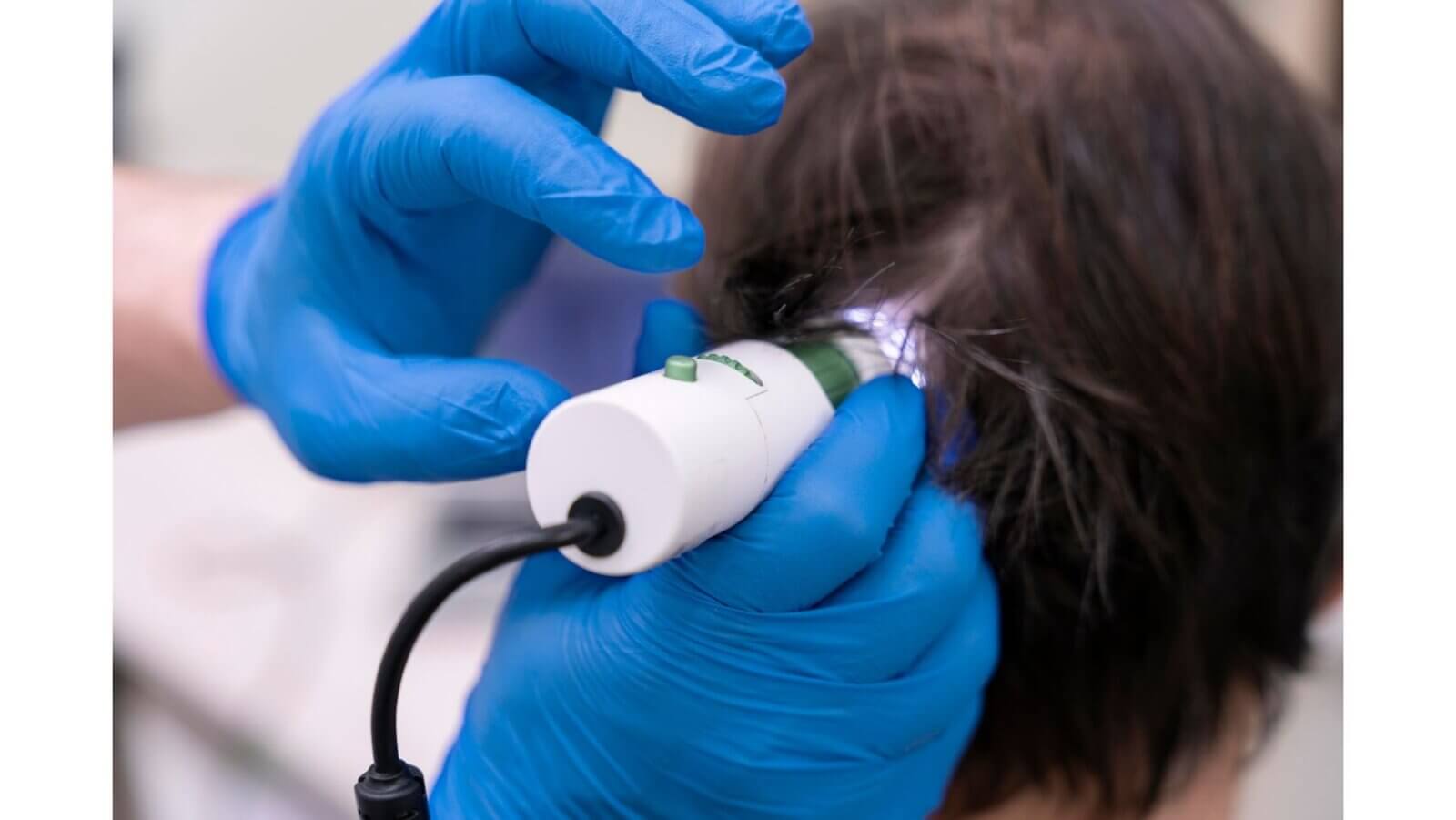
Hair regeneration is more than a cosmetic issue for millions worldwide. It can reflect aging, stress, or genetics. Traditional options, like wigs, medicines, and transplants, only mask hair loss. But now, science is moving beyond temporary fixes.
A major breakthrough in this shift is cell‑based therapies — a technique combining a person’s own hair cells with platelet‑rich plasma (PRP). This method aims to revive dormant follicles and possibly trigger new hair growth.
Experts say this new approach could redefine hair restoration. It does more than nourish existing hair. It works on the scalp’s underlying biology to support regeneration.
From PRP to cell grafts
PRP has been used for years to help hair grow thicker and healthier. It works by injecting a patient’s growth‑factor‑rich blood into the scalp. But PRP cannot generate new hair follicles. It can only support the existing ones.
Cell‑based therapies go a step further. They combine PRP with progenitor cells — immature cells that can develop into follicle‑supporting tissue. These cells may encourage the formation of new follicle units, a process known as follicle neogenesis.
Medical research shows that regenerating follicles requires more than surface treatments. Over time, hormones like DHT and chronic inflammation damage the follicular environment. This damage leads to thinning hair, weaker shafts and visible hair loss. Introducing progenitor cells can help reverse these effects.
How the procedure works
The cell‑based hair regeneration procedure begins with a small tissue sample from behind the ear. Medical devices process this micro‑sample into a cell‑rich solution. Doctors mix the cells with PRP and inject the mixture into thinning areas. Microneedling enhances absorption.
Patients usually resume normal activity within two days. Clinics often recommend follow‑up home care to boost scalp health and support new growth.
Pioneering clinics and growing interest
Some clinics in India, including VCare Hair and Skin Clinics, are early adopters of these therapies. They have expanded from PRP to growth factor concentrates and exosome‑based treatments. Now they use cell graft therapies.
Clinic leaders say these solutions sit between topical fixes and invasive transplants. They can slow or reverse thinning at early stages. They also serve as an adjunct for strengthening donor area hair after a transplant.
Beyond traditional solutions
Scientists worldwide are studying other ways to regenerate hair biologically. Research on immune cells and hair follicle signalling suggests new growth strategies. These scientific advances aim to unlock the body’s ability to rebuild hair at a cellular level.
With ongoing innovation, hair regeneration may become more effective and less invasive. Experts believe the future lies in science‑driven, biology‑focused therapies rather than symptomatic treatments.