
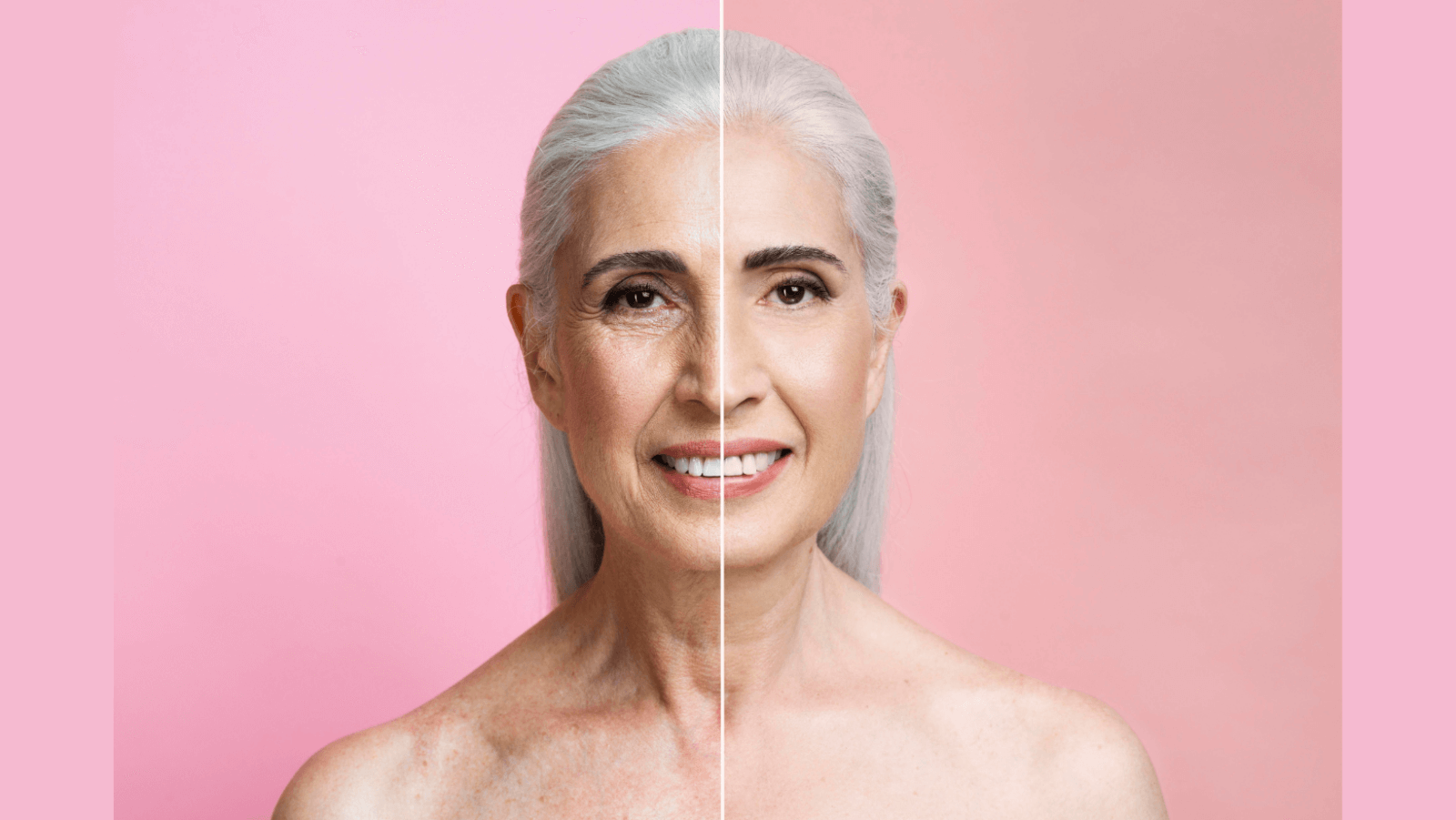
For years, there has been an increased reliance on anti-aging creams and chemical treatments to maintain a youthful appearance. However, recent scientific advancements suggest that the key to reversing signs of ageing may lie within the body itself. A study has uncovered a set of hormones that could slow down or even reverse the ageing process of skin and hair.
The role of hormones in ageing
Hormones have long been associated with maintaining skin health and elasticity. Compounds like retinol, a derivative of vitamin A, have been incorporated into anti-ageing treatments to enhance cell turnover. Similarly, oestrogen plays a significant role in addressing skin changes that occur with menopause. New research reveals that various hormones may play a key role in slowing skin ageing and preserving natural hair colour.
This discovery highlights the intricate balance within the body’s endocrine system and how it influences aging. Several hormones impact collagen production, stem cell survival, and melanin retention, all of which determine the visible signs of ageing. By regulating these natural processes, it may be possible to maintain youthful skin and hair without relying on invasive treatments.
The power of melatonin
Among the newly identified hormones, melatonin has emerged as a key player in anti-ageing research. Best known for regulating sleep cycles, melatonin also functions as a potent antioxidant. It helps combat oxidative stress, a major factor contributing to skin ageing. By reducing cellular damage and enhancing energy production, melatonin may support skin resilience and delay the formation of wrinkles.
Researchers believe that melatonin’s ability to repair and rejuvenate cells may make it a valuable tool in future anti-aging treatments.
Other hormones with anti-ageing potential
In addition to melatonin, several other hormones have been linked to slowing down the ageing process. Growth hormones and insulin-like growth factors contribute to maintaining skin elasticity and firmness by supporting collagen production. These elements help in minimising fine lines and sagging, ensuring a more youthful appearance.
Certain hormones influence pigmentation, preventing premature greying. For instance, α-melanocyte-stimulating hormone plays a crucial role in maintaining hair colour. Additionally, thyroid hormones and oxytocin have been associated with improved skin hydration and overall skin tone.
Endocannabinoids, also present in CBD products, may help protect the skin from external aging factors and maintain a youthful appearance. These compounds interact with the skin’s receptors to reduce inflammation, improve hydration, and improve the skin’s ability to combat environmental damage.
Intrinsic vs. extrinsic ageing
Ageing occurs in two primary ways: intrinsic and extrinsic. Intrinsic aging is a natural biological process determined by genetic factors. Extrinsic aging occurs due to external elements like sun exposure, pollution, smoking, poor diet, lack of sleep, and stress. Ageing cannot be stopped, but understanding hormonal mechanisms can slow its effects and help maintain youthful skin for longer.
These newly discovered hormones have the potential to shield the skin from external damage while simultaneously addressing intrinsic aging factors. They help preserve collagen, reduce oxidative stress, and maintain hydration, significantly minimising visible signs of ageing.
The future of Anti-ageing treatments
With continued research, these hormones could pave the way for anti-ageing treatments that go beyond topical creams and cosmetic procedures.
This shift in understanding aging from a hormonal perspective may lead to treatments that enhance the body’s own regenerative capabilities. Future therapies may restore the skin’s youthful structure and function from within rather than just masking aging symptoms.