
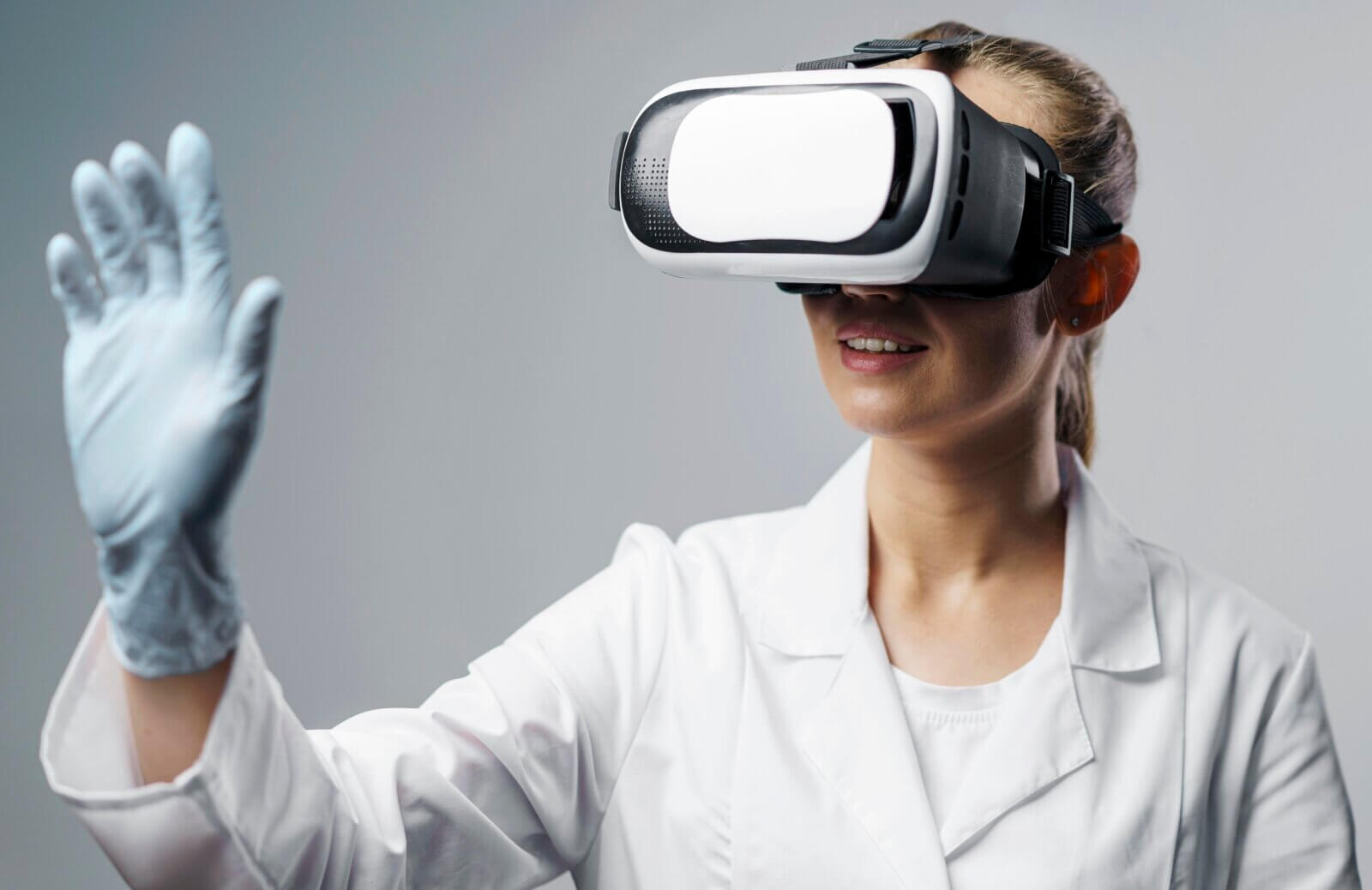
In the dynamic landscape of cosmetic dermatology, the integration of virtual reality (VR) technology has gained global attention. Across the world, VR applications in healthcare are steadily on the rise, with medical professionals exploring its potential to enhance patient experiences. India, amidst its evolving healthcare sector, is also embracing cutting-edge technologies like VR to offer advanced services.
In the realm of cosmetic dermatology, the integration of VR technology holds promise for enhancing the patient experience. However, as technology advances, the question arises: does VR enrich the patient journey or risk overshadowing the critical role of clinical expertise? Delving into this evolving landscape, Dr Aseem Sharma, Chief Dermatologist at the Skin Saga Centre of Dermatology, sheds light on the multifaceted applications of VR in cosmetic dermatology.
In cosmetic dermatology, judicious use of virtual reality (VR) enhances the patient experience without overshadowing clinical expertise. Dr. Sharma emphasizes the diverse applications of VR in cosmetic dermatology.
Visual Simulation:
VR can provide patients with realistic visual simulations of potential cosmetic procedures, helping them better understand the expected outcomes. This can contribute to informed decision-making and improved patient satisfaction.
Pain Distraction:
During certain cosmetic procedures, VR can serve as a distraction tool, reducing anxiety and discomfort for patients. This can enhance their overall experience and willingness to undergo treatments.
Education:
Patients can use Virtual Reality to explore treatment options, understand processes, and appreciate dermatologists’ expertise in cosmetic dermatology.
Furthermore, Dr Sharma adds that there is a risk that excessive reliance on VR could overshadow clinical expertise in cosmetic dermatology. “Skilled dermatologists bring years of training and expertise to the table, ensuring patient safety and achieving optimal aesthetic results. VR should be viewed as a supplementary tool rather than a substitute for the dermatologist’s knowledge and experience.”
In conclusion, he adds, “When used thoughtfully, VR can enrich the patient experience in cosmetic dermatology by providing education, visualisation, and pain distraction. Still, it should always be integrated into the broader framework of clinical expertise to ensure patients receive safe and effective treatments. After all, good clinical acumen, a strong moral fibre, and experiential decision-making is best left to human judgement.”
Subscribe to the magazine to know more!
Magazine Link – https://rebrand.ly/aug-septedition