
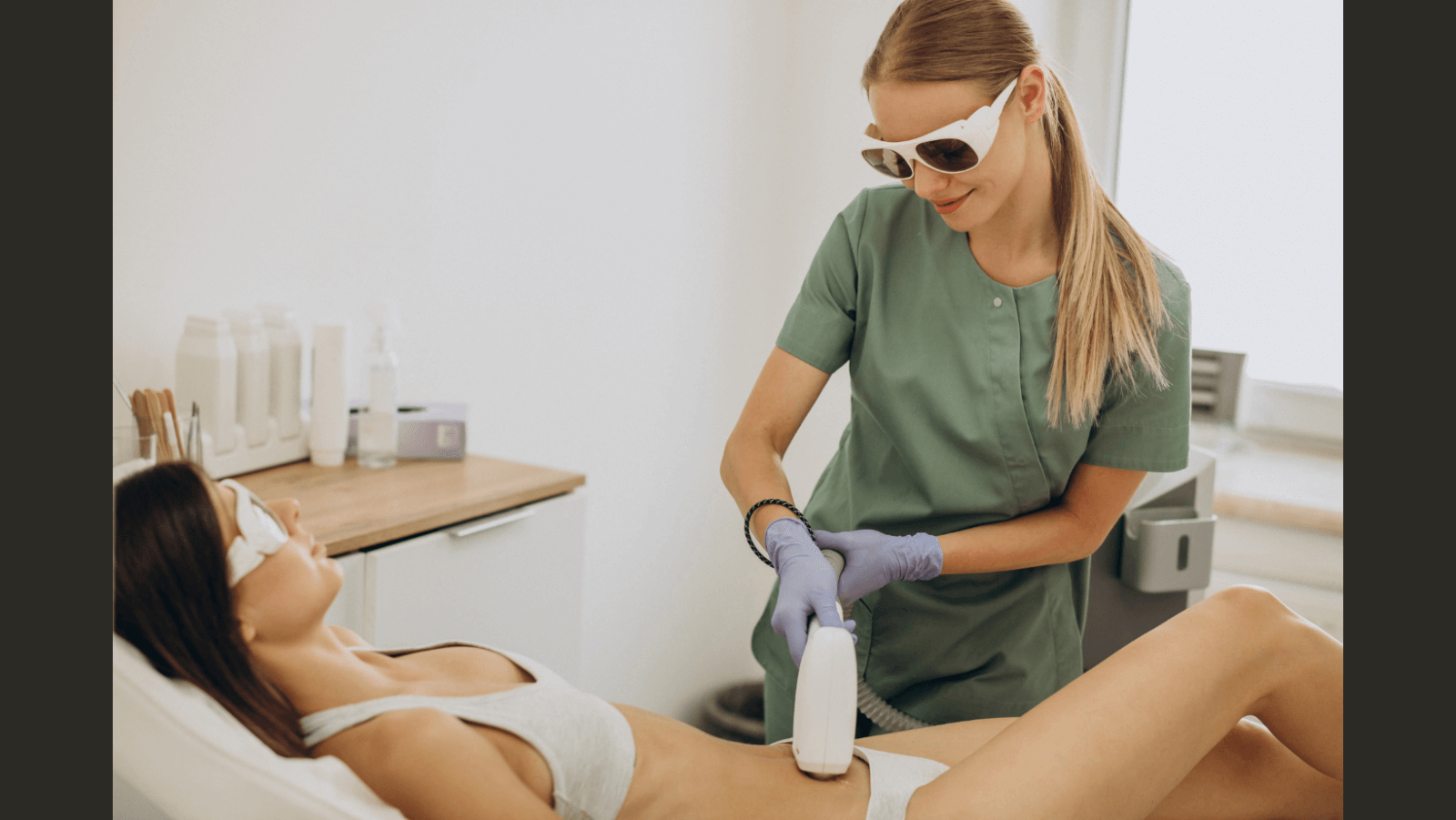
Laser hair removal (LHR) for private part areas has evolved into a sought-after treatment in dermatology and aesthetic medicine. With growing patient awareness and demand for long-term hair reduction, practitioners must stay ahead by offering effective and advanced solutions.
Patients are increasingly opting for LHR over traditional methods such as shaving, waxing, or depilatory creams. Conventional methods cause irritation, ingrown hairs, and frequent maintenance, making laser treatments a preferred alternative for those seeking long-lasting results.
Growing demand
The growing popularity of laser hair is driven by:
- Patients seek a more permanent solution compared to conventional hair removal techniques, reducing the need for repetitive shaving or waxing.
- Reduced hair growth minimises sweat retention and bacterial buildup, promoting better hygiene and lowering the risk of skin infections.
- Social and cultural trends influence patients’ grooming choices, with increased awareness about aesthetic procedures and personal care.
- Technological advancements have made laser hair removal safer, more effective, and suitable for diverse skin tones.
Best practices
Proper patient evaluation is essential to ensure the effectiveness and safety of laser treatment. Dermatologists should assess:
- Skin type and hair color, as different laser technologies are more effective based on these factors.
- Medical history, including skin conditions, medications, or hormonal imbalances that may affect treatment outcomes.
- Sensitivity levels and pain thresholds, recommending numbing creams if necessary to enhance patient comfort.
- Pre-treatment care, advising patients to avoid sun exposure, waxing, or plucking hair before sessions.
- Post-treatment protocols, ensuring patients follow aftercare instructions to prevent irritation and maximise results.
The growing importance
Laser hair removal for intimate areas is a lucrative and essential service in modern dermatology and aesthetic medicine. As patient demand continues to grow, practitioners must stay updated with the latest technologies and best practices. Those who prioritise continuous learning and patient education will be well-positioned to provide safe, effective, and high-quality treatments. A patient-centred approach, proper laser selection, and adherence to protocols boost satisfaction and ensure aesthetic practice success.