
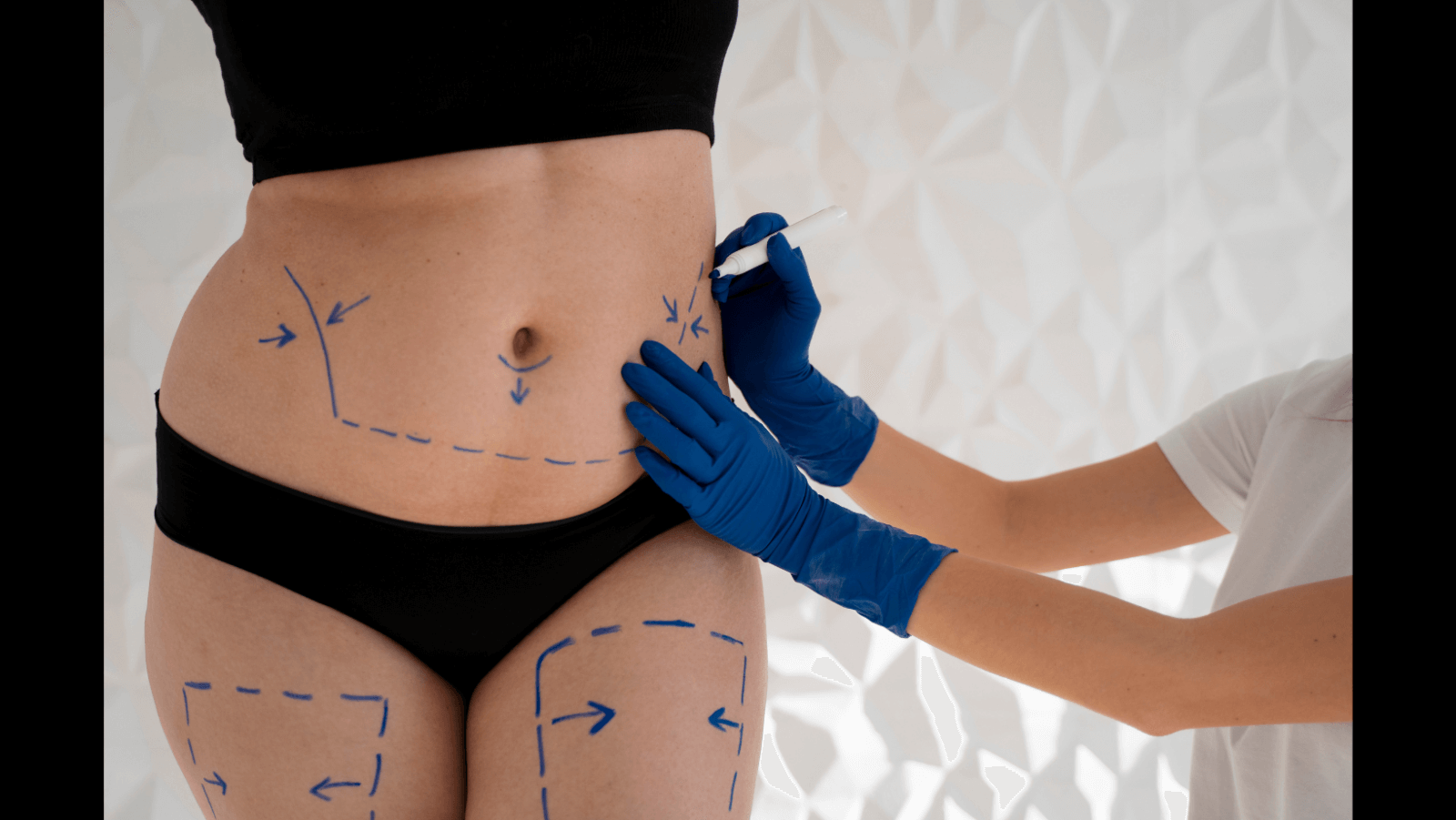
A newly developed artificial intelligence (AI) model could significantly enhance safety in high-volume liposuction by accurately predicting patient blood loss during surgery. The January 2026 issue of Plastic and Reconstructive Surgery, the official journal of the American Society of Plastic Surgeons (ASPS), reports the study. It highlights the growing role of artificial intelligence in surgical planning. As a result, surgeons may better anticipate risks and optimise intraoperative decision-making.
Dr Mauricio E. Perez Pachon and Dr Jose T. Santaella led the research across Mayo Clinic and CIMA Clinic-Loja. The team used machine learning to analyse surgical data from liposuction procedures. They built a predictive tool to help clinicians plan procedures and manage risks more safely.
Liposuction risks and prevalence
Liposuction remains the most frequently performed cosmetic surgical procedure worldwide, with more than 2.3 million operations conducted annually. Although generally considered safe, the procedure carries inherent risks, particularly when large volumes of fat and fluid are removed. One of the most serious complications is excessive blood loss, which can lead to adverse outcomes if not anticipated and managed effectively.
Data collection and model training
Researchers analysed data from 721 patients who underwent large-volume liposuction at surgical centres in Colombia and Ecuador between 2019 and 2023. Researchers fed each patient’s demographic, clinical, and surgical data, including aspirated fat and fluid volumes exceeding 4,000 millilitres, into a supervised model.
The dataset was divided into a training group of 621 patients and a testing group of 100 patients. After training, the model predicted blood loss volumes for the testing cohort. These estimates were compared with the actual blood loss recorded in each case.
Model performance and accuracy
The results demonstrated excellent agreement between predicted and actual blood loss volumes, with a 94.1% accuracy rate. The model’s predictions closely matched actual blood loss, showing a small standard deviation of just 26 millilitres. The largest discrepancy reached 188 mL, while the smallest measured only 0.22 mL. These findings highlight the model’s precision in forecasting how much blood a patient might lose during liposuction.
Clinical implications
Experts emphasise that such predictive ability could transform preoperative planning and intraoperative management. By predicting blood loss in advance, surgeons can make informed decisions about fluid management and transfusion needs. This insight also helps them optimise surgical strategies and reduce overall risk.
Enhancing outcomes
The research team noted that integrating AI into surgical workflows can enhance patient education and informed consent, helping patients better understand and prepare for procedures. In addition, the tool could help reduce the incidence of adverse events and promote faster recovery times.
The authors plan further refinement and validation of the AI model by training it on more diverse datasets from surgeons and clinics worldwide. They believe that expanding the model’s training and testing scope will extend its application to other types of surgical procedures. As AI gains traction in medical practice, this study marks a major advance in using technology to improve surgical safety. It particularly supports more personalised care in cosmetic and body-contouring procedures like liposuction.