
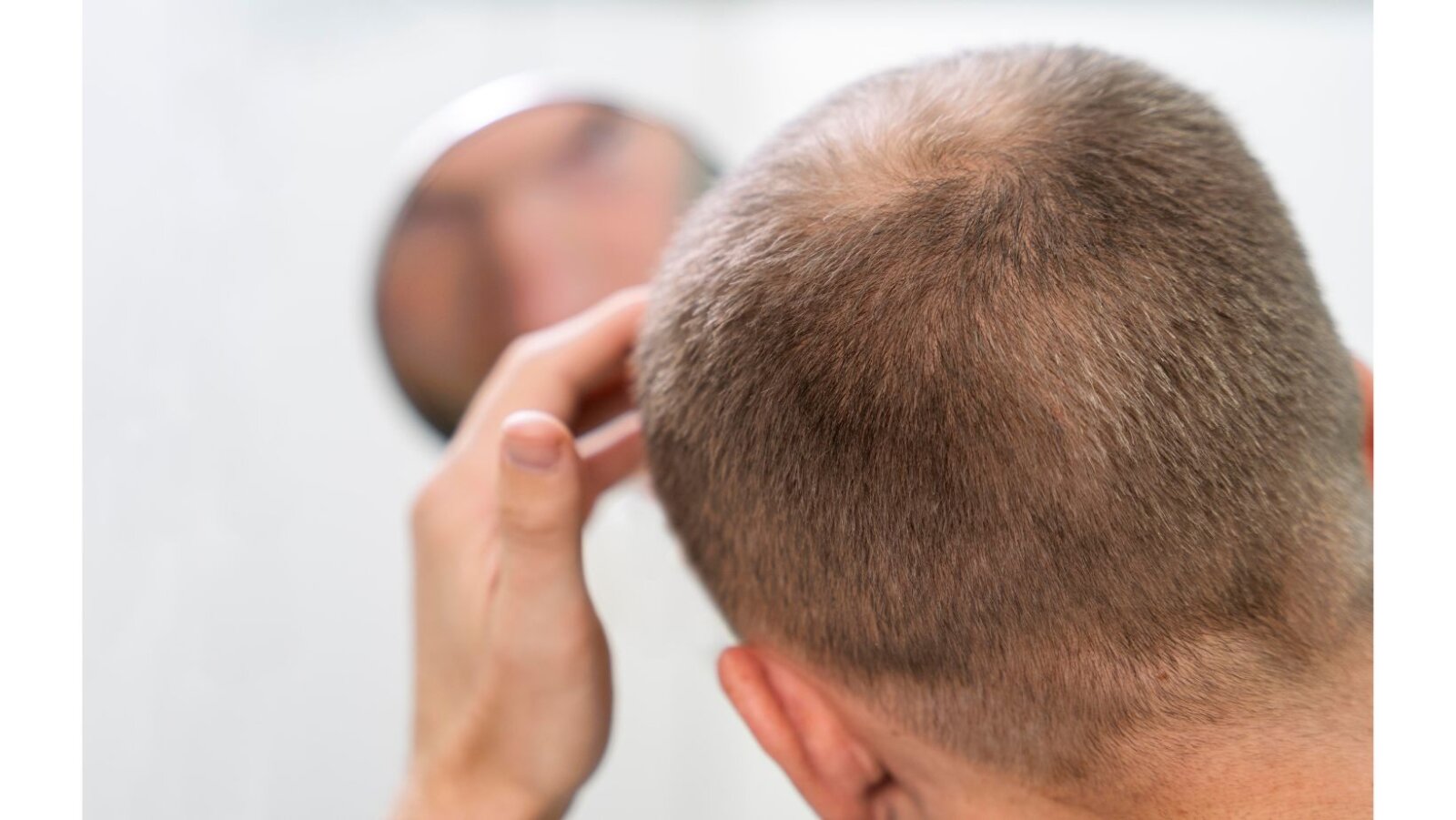
Men choose new hair restoration techniques to treat thinning hair and restore fullness without visible surgical signs. Traditionally, hair transplants required shaving large areas of the scalp, exposing the procedure and making recovery obvious. Recent advances now restore hair while patients keep their hair long, minimise visible scarring, and resume daily life faster.
FUE drives modern hair transplants
Follicular Unit Extraction (FUE) drives modern transplants, as surgeons remove individual follicles and implant them into thinning areas. Unlike older strip methods, FUE uses micro-punch tools to create tiny extraction points instead of one long scar.
No-shave FUE offers a discreet option
Men choose No-Shave FUE, also called Unshaven FUE because it offers a more discreet variation of the procedure. Surgeons keep most hair at its natural length, preventing dramatic appearance changes before, during, or after surgery. Surgeons trim small sections or individual follicles, while surrounding longer hair conceals any visible signs of surgery.
This approach appeals especially to men with active lifestyles or professionals who don’t want to explain a shaved head or healing scalp. Clinics report patients return to work and social events within days, hiding faint transplant signs beneath existing hair.
Rising global demand for unshaven methods
Veteran hair restoration specialists say the demand is rising globally.Traditional shaved techniques still suit extensive hair loss requiring thousands of grafts in one session. Unshaven methods effectively treat mild to moderate thinning and prioritise patient privacy.
Patients opting for No-Shave FUE benefit in several ways:
- Discreet appearance: Because the head isn’t visibly shaved, most people won’t know a transplant occurred.
- Natural results: Hair grows back indistinguishably from surrounding strands as follicles are placed to mirror natural growth patterns.
- Minimal downtime: The cosmetic disruption and social downtime are significantly reduced compared with traditional shaved transplants.
- Less noticeable scarring: Micro-extraction leaves tiny marks that are often undetectable once hair regrows.
Expert advice for successful outcomes
Not everyone is a suitable candidate, however. Unshaven procedures suit patients with strong donor density and mild hair loss, but require more time and higher costs. Surgeons carefully assess patients to determine whether this discreet method will provide the best result.
Experts stress that regardless of technique, successful hair restoration still relies on experienced surgical skill and realistic expectations. When performed well, these modern, invisible transplants offer a new level of confidence for men who previously avoided treatment just to protect their appearance.