The global demand for natural-looking breast implants is accelerating as cosmetic enhancement trends continue to evolve toward authenticity, safety, and personalisation. HTF Market Intelligence forecasts the Global Natural Looking Breast Implants Market to rise from US$ 1.65 billion in 2025 to US$ 3.05 billion by 2032. The market will grow at a CAGR of 7.8 per cent during this period.
Advanced implant technologies, rising medical tourism, and evolving beauty standards are driving consumer demand and transforming the global aesthetics industry.
Rising demand
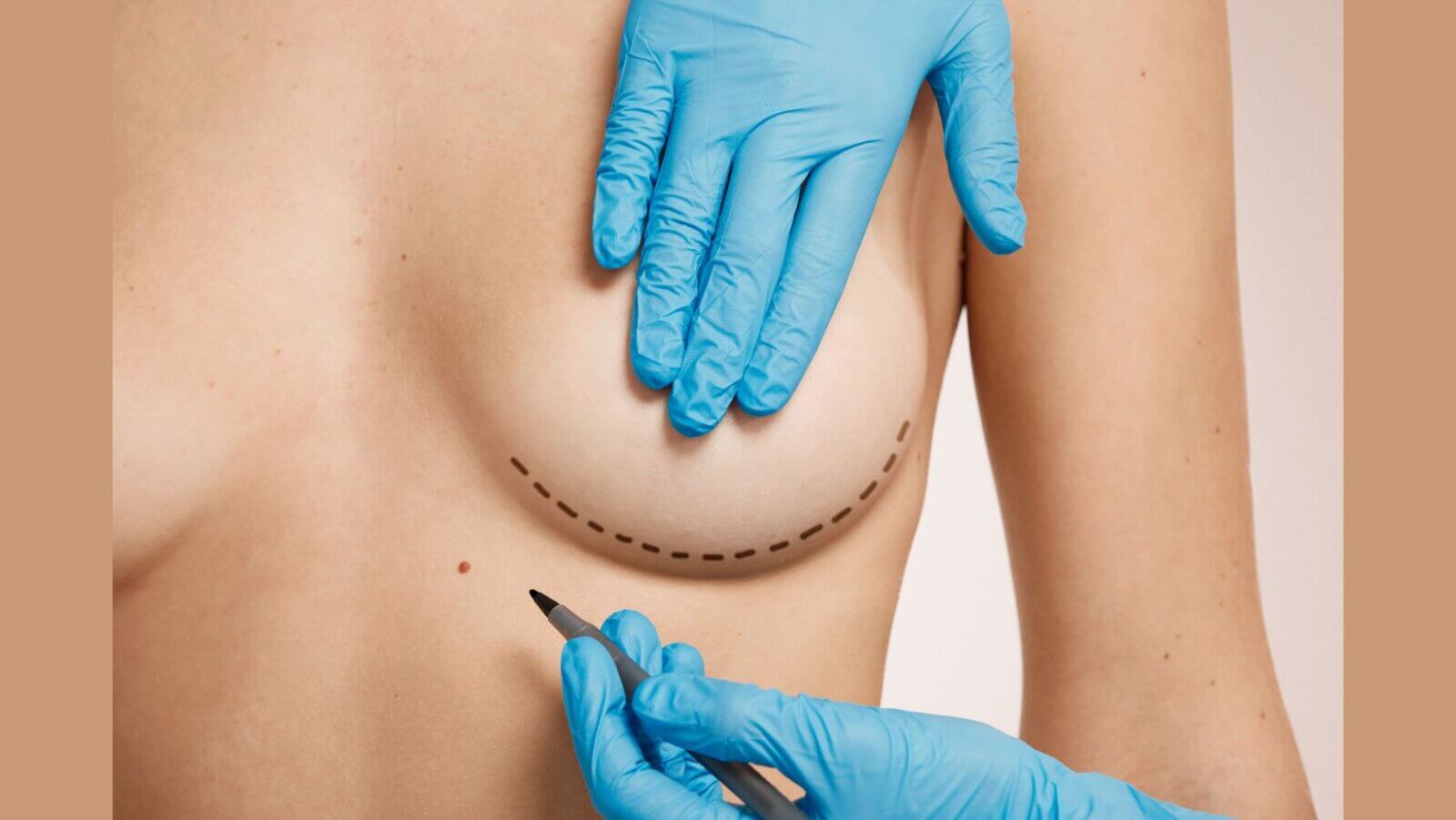
The increasing global acceptance of cosmetic surgery continues to drive market expansion. Patients today seek implants that offer a natural look and feel, aligning with trends toward body positivity and subtle enhancement. Beyond cosmetic motivations, breast implants are also used in reconstructive surgeries—such as post-mastectomy procedures—underscoring their medical and psychological significance.
Affordable, high-quality aesthetic procedures in Asia-Pacific and Latin America attract international clients, driving medical tourism and boosting global demand.
Leading players shaping the market
Key industry players include Allergan, Mentor Worldwide LLC, GC Aesthetics, Sientra Inc., Establishment Labs, Polytech Health & Aesthetics, and HansBiomed. These companies are investing heavily in research, advanced materials, and regulatory compliance to meet evolving safety and aesthetic standards.
Implant manufacturers and cosmetic surgeons collaborate strategically to innovate implant textures, enhance durability, and improve post-surgical recovery techniques.
Market trends
Several trends define the future of natural-looking breast implants.
- Shift toward silicone and cohesive gel implants: These implants mimic the look and feel of natural breast tissue while ensuring long-term stability and safety.
- 3D imaging and surgical simulation tools: Surgeons are increasingly using 3D visualisation to personalise surgical outcomes, enhancing patient confidence and satisfaction.
- Minimally invasive procedures: Shorter recovery times and reduced scarring are attracting a broader consumer base.
These innovations highlight how technology is transforming patient experience and enabling precision-driven, customised results.
Market drivers, challenges, and opportunities
Drivers:
- Rising global awareness of advanced implant options.
- Increasing demand for aesthetic enhancements across demographics.
- Expanding access to safe and certified procedures.
Challenges:
- High procedural costs limiting affordability in emerging markets.
- Health risks, including ruptures or infections, demand ongoing innovation in safety.
- Ethical concerns and social stigma in conservative regions.
Opportunities:
- Growth in emerging economies with rising disposable incomes.
- Development of eco-friendly, biocompatible implant materials.
- Expansion of digital marketing and virtual consultations driving consumer awareness.
The future of natural-looking aesthetic solutions
The next decade will see the convergence of science, technology, and personalisation in breast implant design. With patients prioritising natural aesthetics and safety, manufacturers are investing in AI-driven modelling, nanotechnology-based materials, and long-lasting implants that minimise complications.
Evolving beauty standards drive the natural-looking breast implant market, empowering individuals to embrace subtle enhancement and authentic self-expression.