
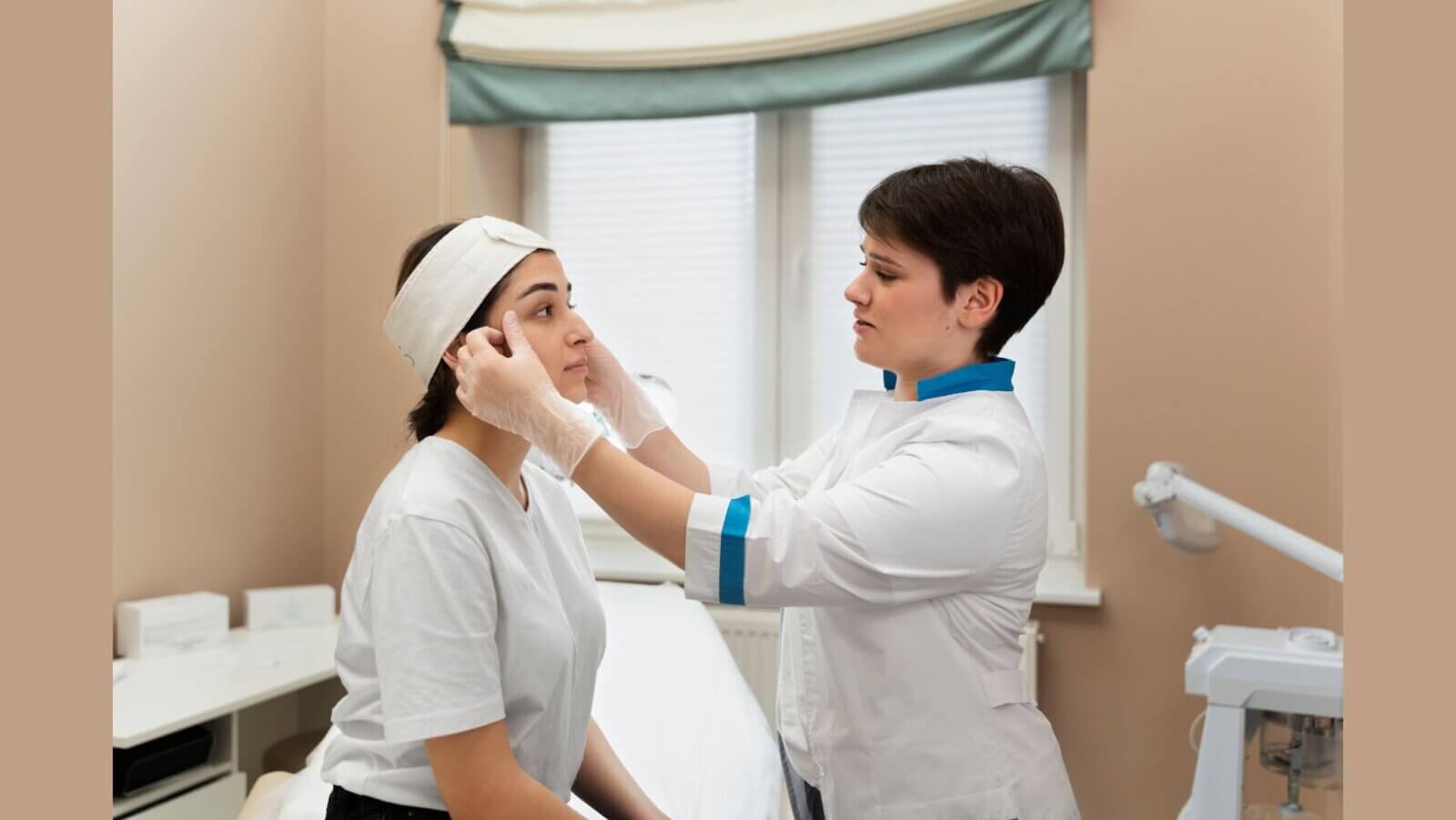
Reconstructive care is undergoing a powerful transformation driven by a blend of intelligent technology, sustainable practices, and a renewed focus on accessibility. At industry gatherings and expert forums, specialists are increasingly highlighting these innovations. They explain how they are reshaping patient outcomes and redefining the future of plastic and reconstructive surgery.
AI moves from concept to clinic
Artificial intelligence is no longer an experimental add-on. It is becoming an everyday clinical partner. Experts note that AI-enabled tools can now remotely detect fractures, analyse images, predict complications, and support early clinical decision-making.
From burn infection detection to identifying vascular challenges, early alerts powered by AI are helping clinicians intervene faster and improve survival and recovery rates. Even AI-driven platforms like ChatGPT are being explored for simulation-based training, protocol guidance, and continuous learning. This is creating a more empowered and better-prepared clinical workforce.
What is driving this shift is a collaborative mindset. Surgeons today work closely with engineers, physicists, designers, and health-tech innovators to convert complex clinical problems into practical digital solutions.
Telemedicine and sustainability as the new clinical essentials
Telemedicine has become a cornerstone in expanding reconstructive care. Remote consultations, digital diagnostics, and virtual follow-ups are enabling specialists to guide patients in real time, even in challenging or conflict-zone environments.
Alongside digital advances, sustainability is emerging as a strong priority. Eco-friendly surgical systems, energy-efficient operating environments, and recyclable medical supplies are increasingly being integrated into modern surgical ecosystems. These efforts support environmental responsibility as well as long-term cost efficiency for institutions.
Bringing reconstructive care beyond urban borders
A major conversation in the sector today revolves around accessibility. While advanced healthcare clusters dominate large cities, the real unmet need lies in non-urban regions. More institutions are now working to shift reconstructive care from city-centric models to decentralised and community-accessible formats.
The distinction between aesthetic and reconstructive care also continues to guide resource prioritisation. While aesthetic treatments focus on enhancement, reconstructive procedures help restore function, dignity, and livelihood. This is especially vital for trauma, congenital conditions, or burn-related cases.
The industry trend is clearly moving toward supporting the larger and often underserved population requiring restorative interventions.
Early intervention is the key to saving lives and livelihoods
Experts consistently emphasise one theme, which is timing. Early intervention in burns, trauma, and skin loss conditions can save both limbs and lives. Innovations such as skin banks, rapid grafting within the first 24 hours, and advancements in skin culture technology are reshaping the future of burn care.
These breakthroughs not only improve survival but also accelerate rehabilitation, helping patients regain mobility, employment, and quality of life.
Reconstructive care stands at a pivotal point. With AI, sustainability, telemedicine, and decentralised access leading the way, the sector is moving toward a future that is smarter, more inclusive, and deeply patient-centric.