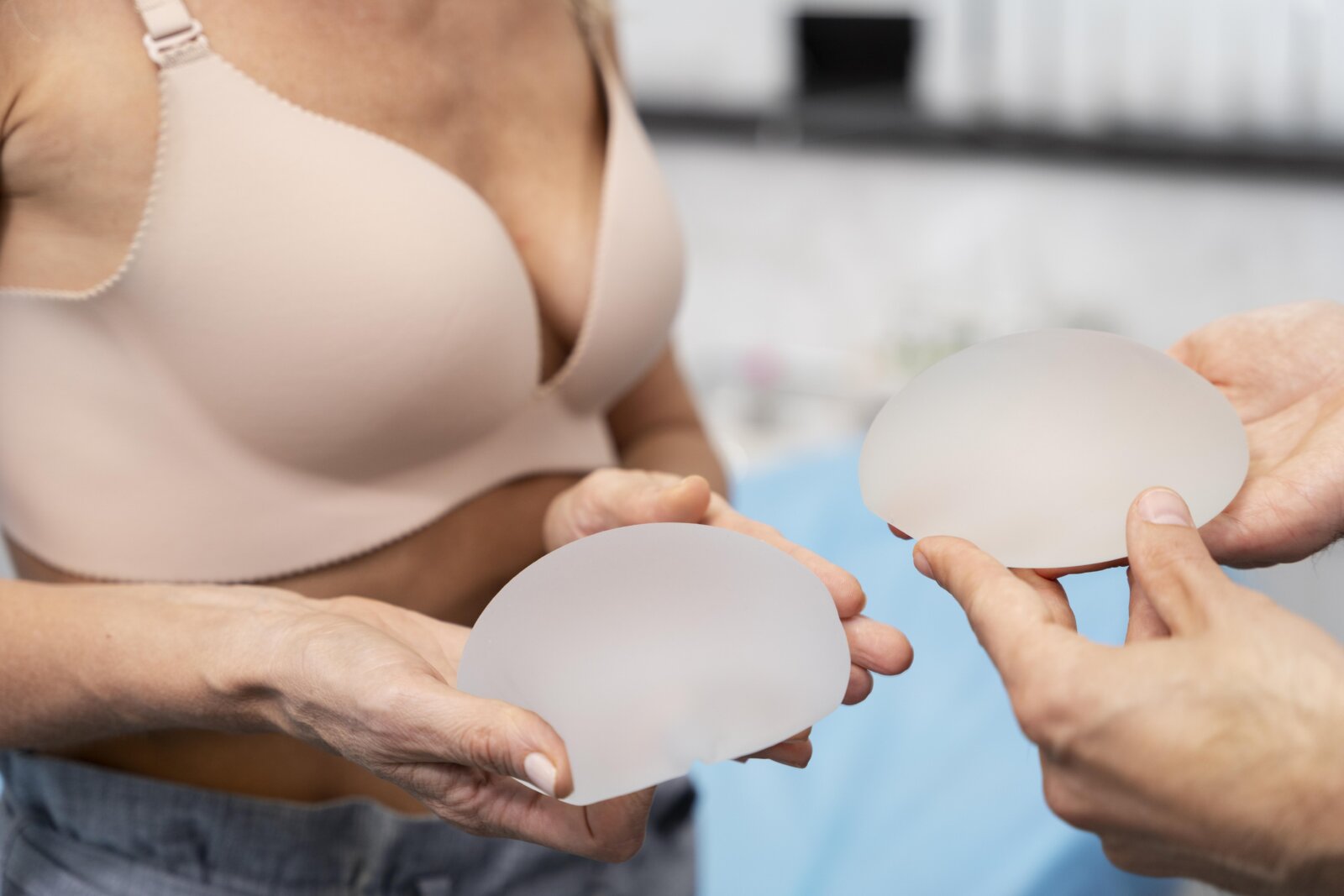
Today’s beauty standards are influenced by social media, so quick fixes like silicone implants are becoming more and more popular. Concerns have been raised about this trend, as shown by the fact that celebrity Urfi Javed recently chose to get breast implants even though doctors told her not to.
Such choices show that people need to be more aware of the risks that might come with these procedures. As the need for aesthetic dermatology grows, beneficial aspects play a key role in guiding patients and helping them make smart decisions.
It is even more important now that media ideas are making younger people want to get plastic surgery. Professionals who prioritise patient safety first while meeting these changing beauty standards must be knowledgeable in the pros and cons of silicone implants.
The myth of safety
A common belief is that silicone implants are safe choices for breast augmentation. However, even though many people have good outcomes, these implants come with a lot of risks.
Post-surgical infections are one type of problem that can happen. These infections may need more surgery or even the removal of the implant. Furthermore, capsular contracture, which is characterised by the hardening of scar tissue around the implant, can cause pain and aesthetic deformities.
Silicone implants may also burst, causing silicone gel to leak out, which could lead to inflammation and other issues. Some breast implant patients have described systemic symptoms like fatigue, joint pain, and cognitive issues. This is often called breast implant illness (BII). These factors underscore the importance of informed consent and complete patient education.
Longevity and maintenance concerns
Many people think that silicone implants will last forever, but most of them need to be replaced every 10 to 15 years, and some problems can mean that they need to be taken out earlier. Putting in and taking out implants over and over again can damage breast tissue and skin, which can raise the risk of problems and change the shape of the breasts.
Also, having multiple surgeries can be hard on one’s emotions and make one more likely to experience depression and anxiety. This shows how important it is for aesthetic practices to offer mental health support.
Exploring safer alternatives
Aesthetic dermatologists should know about safer options for breast enhancement. Techniques like fat grafting or using a patient’s own tissue provide more natural solutions.
By using a patient’s fat, these methods increase breast volume while lowering the chances of rejection and allergic reactions. The results often look and feel more natural than silicone implants. They also have a lower risk of complications, such as infections and capsular contracture.
Criteria for candidates
While silicone implants can achieve desired aesthetic results, they should only be considered under specific conditions:
- Medical Necessity: Primarily for reconstructive purposes post-mastectomy or severe trauma.
- Informed Decision: Patients must be fully educated about the risks, benefits, and alternatives available.
- Qualified Surgeon: Procedures should be performed by certified and experienced plastic surgeons in reputable medical facilities.
Guide today’s trends responsibly
In today’s beauty culture driven by social media, quick fixes like silicone implants are popular, often without fully understanding the risks. As professionals in aesthetic dermatology, it is crucial to prioritise patient education and safety. You should provide clear insights into the benefits and risks of these procedures.
By promoting alternatives and supporting informed choices, you can guide patients toward safer, healthier aesthetic options. Empower your patients and your practice with knowledge-focused, patient-centered care!
Reference Link: https://indianexpress.com/article/health-wellness/urfi-javed-obsession-silicone-implants-risks-9586672/