
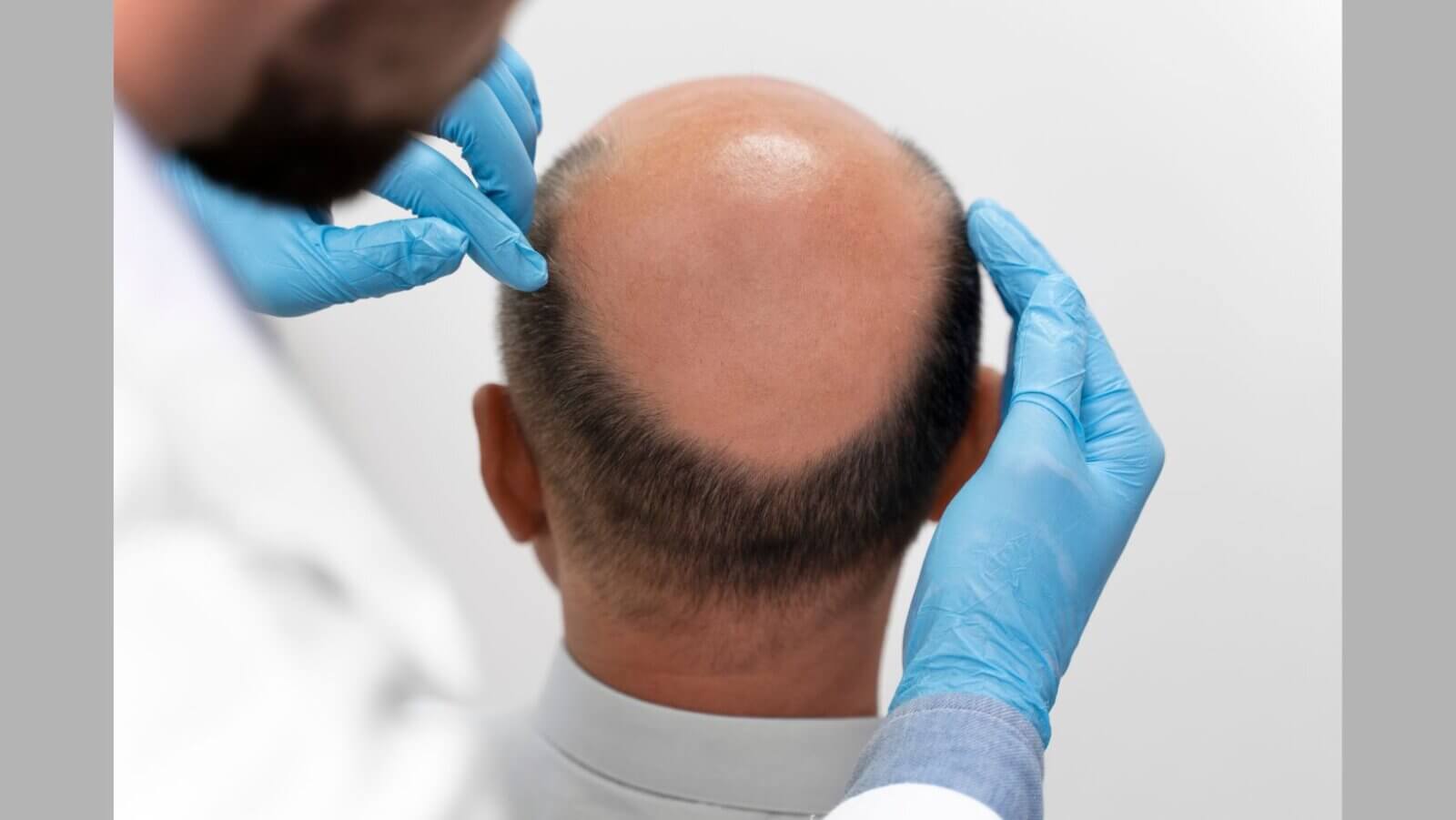
Hereditary-patterned baldness, or androgenetic alopecia, affects nearly 40 per cent of people worldwide, often beginning in their 30s and progressing with age. Despite its prevalence, treatment options remain limited. While topical minoxidil is one of the few FDA-approved solutions, its poor solubility and weak skin absorption limit its effectiveness. Researchers at the University of Sydney discovered that stevioside, a natural sweetener from the stevia plant, boosts the skin absorption of minoxidil.
Their study, published in Advanced Healthcare Materials, highlights stevioside’s potential to make hair loss treatments more effective.
Promising results in preclinical models
In mouse models, researchers observed that a dissolving patch containing stevioside and minoxidil activated hair follicles and promoted visible regrowth. The team noted that enhancing minoxidil delivery with stevioside could pave the way for more effective, natural hair loss treatments.
DNA sugar sparks regrowth
Scientists from the University of Sheffield and Government College University Faisalabad discovered that 2-deoxy-D-ribose, a natural sugar found in DNA, stimulates blood vessel formation. Their research showed that this process supports hair follicle regeneration and growth. Initially observed during wound-healing studies, the compound accelerated hair growth around treated areas.
Professor Sheila MacNeil and her team highlighted that male pattern baldness remains a global issue with only two FDA-approved treatments available. Their research demonstrated that a simple sugar compound can enhance blood flow to hair follicles. The team observed that this mechanism helps stimulate and sustain new hair growth.
A shift toward natural innovation
Both the stevia and deoxyribose studies demonstrate a growing shift toward natural, affordable, and biologically compatible Hereditary-patterned treatments. Dr. Muhammed Yar, co-author of the deoxyribose study, highlighted the compound’s stability, affordability, and versatility in delivery. He noted that these qualities make it a strong candidate for further scientific exploration. Although the findings are still in early stages, scientists view them as an important step toward developing less invasive and more accessible therapies.