
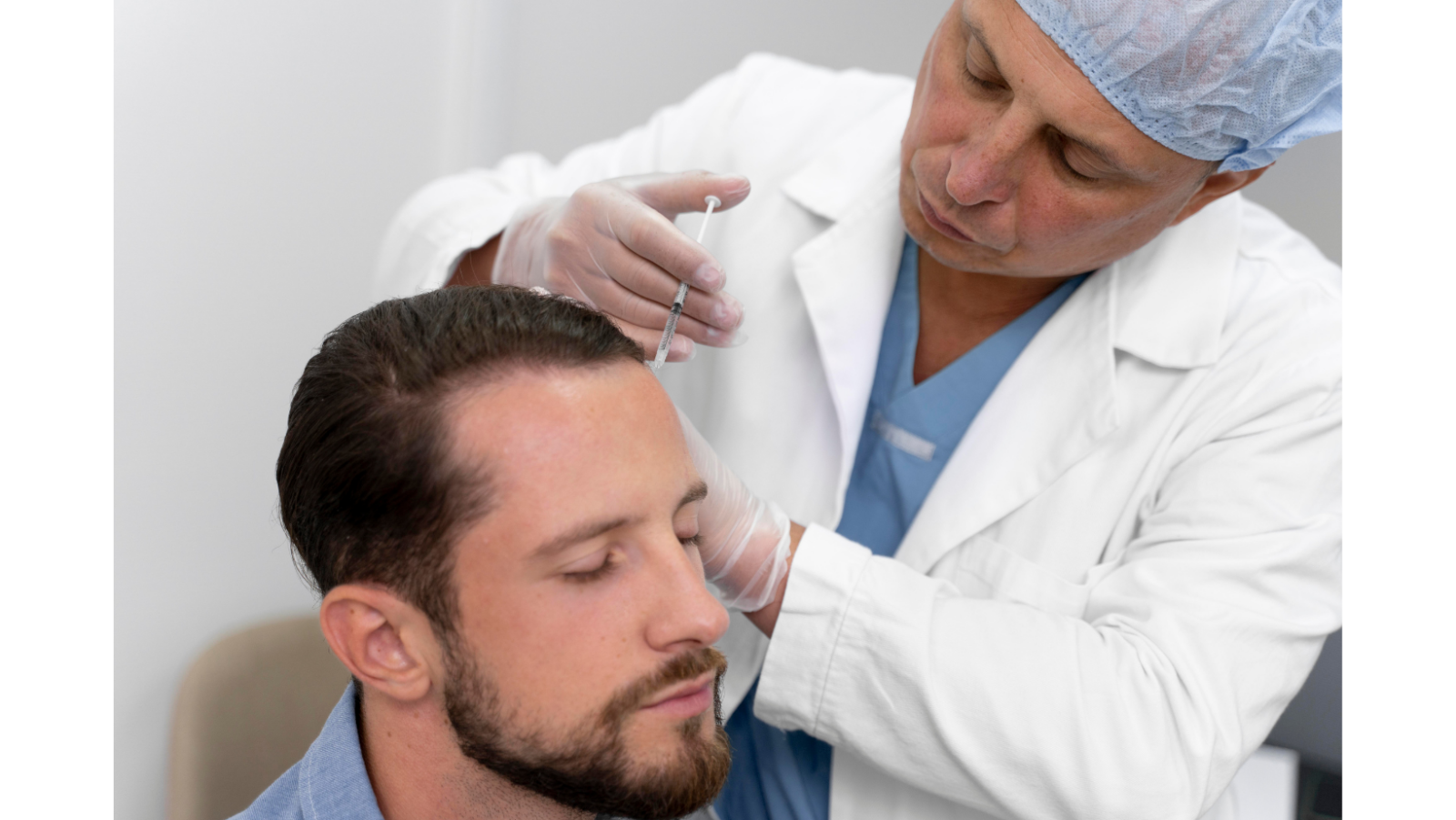
The Tamil Nadu government has issued a Government Order regulating cosmetology, aesthetic treatment, and hair transplant clinics across the state. The order introduces formal oversight for a rapidly growing but previously underregulated sector.
Move to standardise aesthetic services
The Health and Family Welfare Department released an order to standardise operations and improve patient safety. Authorities want to prevent unqualified practitioners from performing medical cosmetic procedures.
Under the order, all cosmetology and aesthetic clinics must register under the Tamil Nadu Clinical Establishments Act. Clinics must follow the standards and rules defined under the Act.
Mandatory registration and infrastructure standards
The new regulations require clinics to maintain proper infrastructure, safety equipment, and trained medical personnel. Authorities expect clinics to operate as registered clinical establishments rather than informal service centres.
The government introduced the order after concerns about unsafe procedures and unqualified staff performing treatments. Cosmetic and aesthetic services have expanded quickly recently.
Many clinics now offer services such as hair transplantation, laser treatments, fillers, and other cosmetic procedures. Experts say these procedures require medical supervision and strict clinical protocols.
Qualified doctors to perform procedures
The order states that only qualified and registered medical practitioners may perform complex aesthetic procedures. Doctors must possess recognised medical qualifications and relevant training.
The regulations also emphasise the role of specialists in dermatology or plastic surgery. These professionals usually perform procedures like hair transplantation and advanced aesthetic treatments.
The government has prohibited unqualified technicians from performing medical cosmetic procedures. Non-medical staff cannot conduct surgical or invasive treatments under the new rules.
Inspections and compliance requirements
The order also mandates proper documentation of treatments and patient records. Clinics must display the qualifications of doctors and medical professionals.
Health authorities will conduct inspections to ensure clinics comply with the new standards. Officials will verify hygiene conditions, infrastructure, and professional credentials.
Authorities may penalise clinics that operate without registration or violate regulatory requirements. Non-compliant facilities could face closure or legal action.
The Tamil Nadu Medical Council has supported the government’s regulatory move. The council emphasises that cosmetic procedures are medical treatments.
Focus on patient safety and accountability
Officials believe the regulations will improve safety and reduce unethical practices in the sector. Authorities have previously reported cases of unlicensed clinics offering risky procedures, which have led to serious health complications for patients. Consumer advocates have welcomed the government’s decision to regulate aesthetic clinics. They believe the rules will protect patients from unsafe treatments.
The order aims to establish uniform standards for cosmetic and aesthetic services across Tamil Nadu. Officials expect the move to strengthen trust in legitimate clinics.