
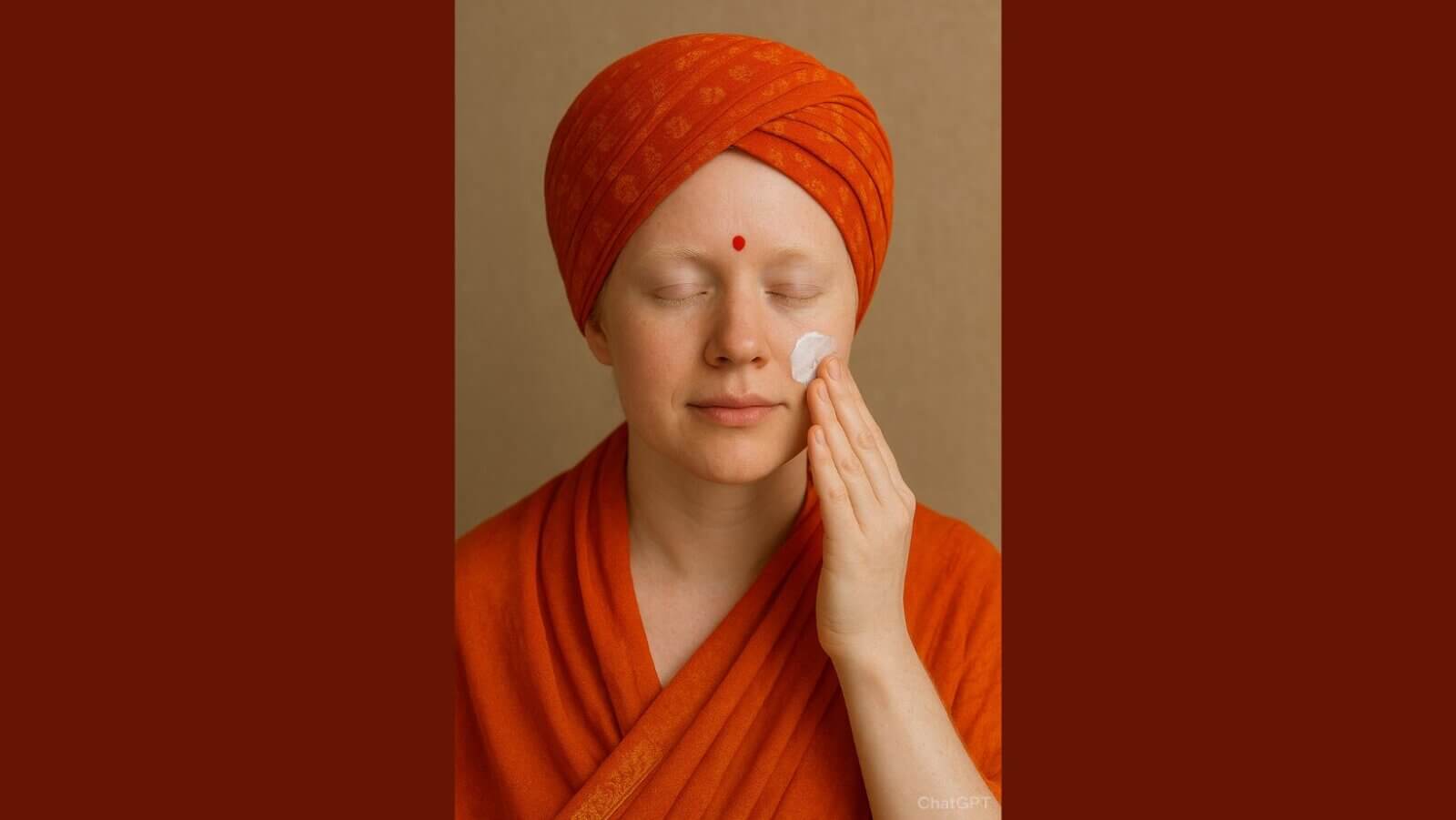
The World Health Organisation (WHO) added sunscreen to its Essential Medicines List, recognising it as a life-saving medical product for the first time. This decision shifts sunscreen’s status from a cosmetic item to an essential medicine. Announced on 5 September, this milestone decision acknowledges the urgent healthcare needs of people with albinism and populations vulnerable to UV radiation.
The EML serves as a global reference point, guiding governments in identifying medicines that should be prioritised within their health systems. WHO affirmed broad-spectrum sunscreens with proven ingredients and high SPF prevent skin cancer, disfigurement, and premature deaths from UV exposure.
A shift in perception
Sunscreens have traditionally been marketed and understood as cosmetic or lifestyle products. The EML reframes sunscreens as therapeutic, preventive medicines, ensuring accessibility and affordability for all, especially those with heightened sun sensitivity.
Mutations that impair melanin production cause albinism, a rare genetic condition. It gives individuals pale skin, hair, and eyes, making them highly susceptible to sunburn and skin cancer. In many countries, including India, people with albinism face additional barriers such as limited healthcare access, financial constraints, and social stigma.
Public health and human rights imperative
WHO’s decision reflects a growing recognition of sunscreen as both a public health necessity and a human rights issue. A 2023 United Nations report on albinism urged governments to treat sunscreen as an essential health product. This latest update to the EML aligns with that recommendation, creating opportunities for countries to integrate sunscreen provision.
The move addresses inequality beyond health. Society often discriminates against individuals with albinism, excluding them socially. Providing free or subsidised sunscreen reduces medical risks and symbolises progress toward dignity and inclusion for vulnerable populations.
Implications for India and beyond
In India, where an estimated two lakh people live with albinism, the decision could pave the way for national-level policy action. If India integrates sunscreens into its Essential Medicines List, hospitals, clinics, and government programmes will distribute them. This step will improve accessibility and affordability.
The WHO listing also carries a strong equity dimension. Many individuals with albinism live in low-resource settings where purchasing sunscreen regularly is financially burdensome. The WHO elevates sunscreen to essential medicine and urges governments to negotiate fairer prices and secure reliable supply chains. It also encourages inclusion in insurance and subsidy schemes.
Next steps
WHO’s inclusion of sunscreen in the EML sets a global benchmark, but national governments must implement it to create real impact. Governments must update essential medicines lists, establish public distribution, and run awareness campaigns to promote sunscreen as preventive healthcare.
In recognising sunscreen as an essential medicine, WHO has reshaped the global conversation on albinism and UV protection. The decision advances health, equity, and human rights by transforming sunscreen from a cosmetic item into a vital tool for survival and dignity.