
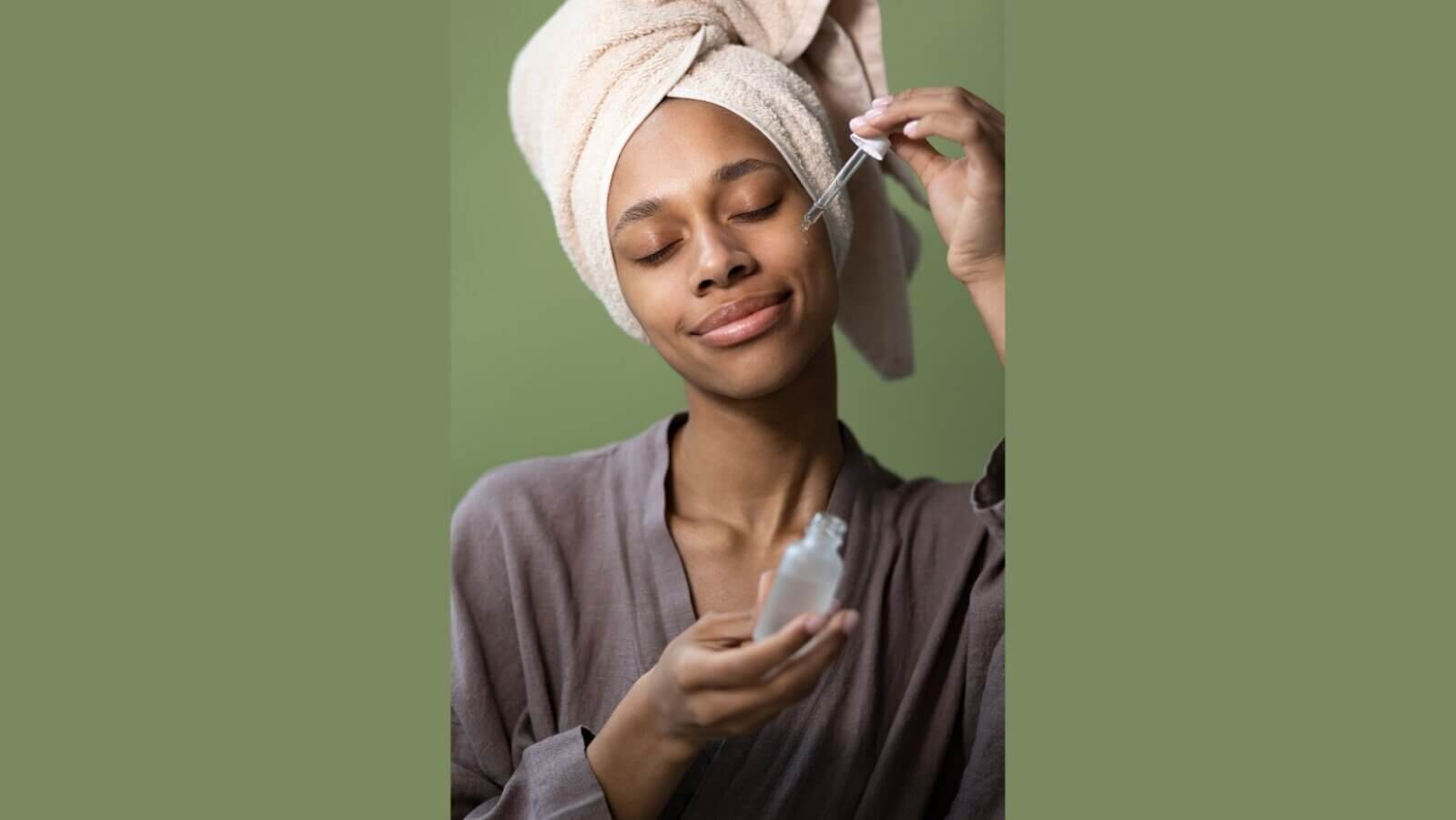
Copper peptides, long used quietly in dermatology labs, have surged into the skincare reset spotlight as consumers search for gentler, repair-driven routines. These naturally occurring protein fragments drive collagen production and tissue healing. Their levels decline with age, which makes them increasingly valuable in modern skincare.
Experts say the renewed interest comes at a time when many consumers are struggling with over-exfoliated, barrier-damaged, and inflammation-prone skin. Dermatologist Dr Deepali Bhardwaj says copper peptides boost collagen and elastin production, helping the skin function at its best. When your skin is rich in copper peptides, its barrier function improves, allowing it to defend better against stressors and pollution.
Brands echo this shift toward repair-first skincare. Prachi Bhandari, co-founder of Aminu, says the trend reflects a reset and explains that copper peptides help the skin rebalance rather than fight it.
Beyond anti-ageing hype
Experts argue that copper peptides offer benefits beyond anti-ageing, noting that early research focused on wound healing rather than cosmetics. Bhandari adds that what is now called anti-ageing is really about resilience.
Dr Bhardwaj says copper peptides repair tissue, control inflammation, and restore the skin barrier, benefiting those with redness or sensitivity. She refers to them as “pro-longevity molecules” that help the skin behave better over time. Users typically notice calmer, smoother skin within weeks, while collagen-boosting effects take longer to appear.
Clinical studies show copper peptides stimulate collagen production and regulate enzymes that control tissue remodelling and inflammation.
Why formulation matters
The rising popularity of copper peptides has also highlighted the challenges of working with them. Their reactive nature makes copper peptides prone to oxidation and instability when paired with incompatible actives like acids. Dr Charlene DeHaven, Clinical Director at iS Clinical, explains that incorrect pH products can denature these peptides.
Bhandari advises that formulators must handle copper peptides carefully, explaining that copper requires the right environment. She adds that two seemingly identical formulations can differ drastically in biological activity depending on how the copper complex is stabilised.
Experts warn that overusing copper peptides overstimulates the skin and recommend two to three weekly applications, alternating with retinoids or acids. Acids stimulate renewal, while copper peptides enhance recovery, so using them at different times yields the best results.
Toward bio-intelligent skincare
Industry leaders believe copper peptides mark the beginning of a larger shift toward bio-intelligent formulations. Bhandari predicts the industry will shift from single-ingredient marketing to systems that align with skin rhythms, stress responses, and the microbiome. She adds that copper peptides serve as a blueprint for this future because they support repair, balance, and adaptability.
Dr DeHaven notes that copper peptides are bioidentical molecules familiar to the body, making them safe and effective for most skin types.
As blue-tinted serums continue to appear across shelves and routines, experts say their appeal lies not in trend culture but in science. Products like Aminu’s Copper Peptide Serum and The Ordinary’s Multi-Peptide + Copper Peptides highlight smarter, restorative skincare reset. These formulations focus on biology-based results rather than quick fixes.