
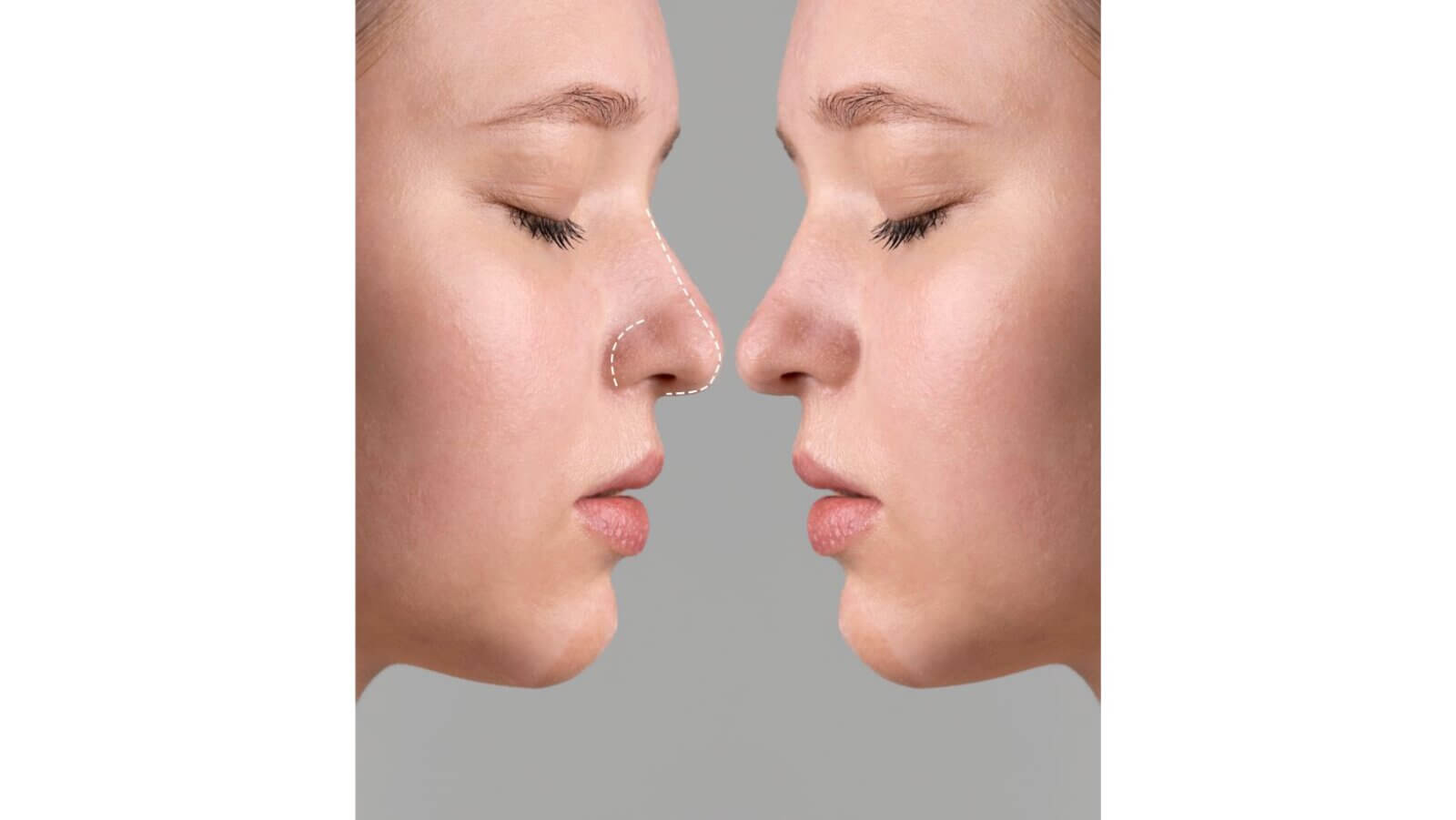
A growing proportion of patients now follow the rhinoplasty trend, requesting smaller, less noticeable nose reshaping procedures. Surgeons see demand shift from dramatic transformations toward refined, discrete changes.
Practices report that many clients want results that do not attract attention to surgical work. This trend reflects broader patient preferences for natural‑looking outcomes and minimised procedural footprints.
Focus on tip refinement and subtle shape adjustments
Clinics increasingly concentrate on tip lifting and contouring rather than significant reduction of the nasal bridge. Some patients also request minimal reshaping of the front nasal profile to avoid obvious cosmetic change.
In addition to surgery, clinicians note growing interest in liquid rhinoplasty with fillers to soften humps and refine the tip. Non‑surgical filler techniques can alter perceived nasal size without tissue removal.
However, practitioners should weigh vascular risk and migration concerns inherent to injectable approaches.
Patient motivations shape procedural demand
Today’s patients often desire natural balance, not dramatic aesthetic change. Many want facial harmony while retaining recognisable individual features.
This preference aligns with broader cultural shifts toward refined, proportionate results in facial aesthetics globally. Social media and “no‑notice” transformation ideals also influence rhinoplasty demand.
Clinical implications for practices
Surgeons must adapt consultation frameworks to manage expectations for subtle outcomes. Documentation and imaging can help set realistic goals for refined tip and contour changes.
Patient education should cover differences between surgical and non‑surgical rhinoplasty options. Clinicians should also highlight anatomical constraints, as true size reduction often requires structural modification.
Broader procedural trends in facial aesthetics
This rhinoplasty trend shift reflects a larger industry move toward natural‑looking cosmetic outcomes. Demand for subtle refinements parallels trends in other facial procedures aiming for balance over alteration.
Dermatologists and plastic surgeons should consider integrating these preferences into treatment planning and marketing. As patient priorities evolve, practices that emphasize nuanced techniques may gain competitive advantage