The homecare dermatology energy-based devices market is growing rapidly worldwide.
Consumers now prefer convenient and effective skincare solutions at home. Recent reports show strong market expansion over the next decade. The market could reach a significant multi-billion-dollar value by 2036.
A shift in how consumers approach skincare
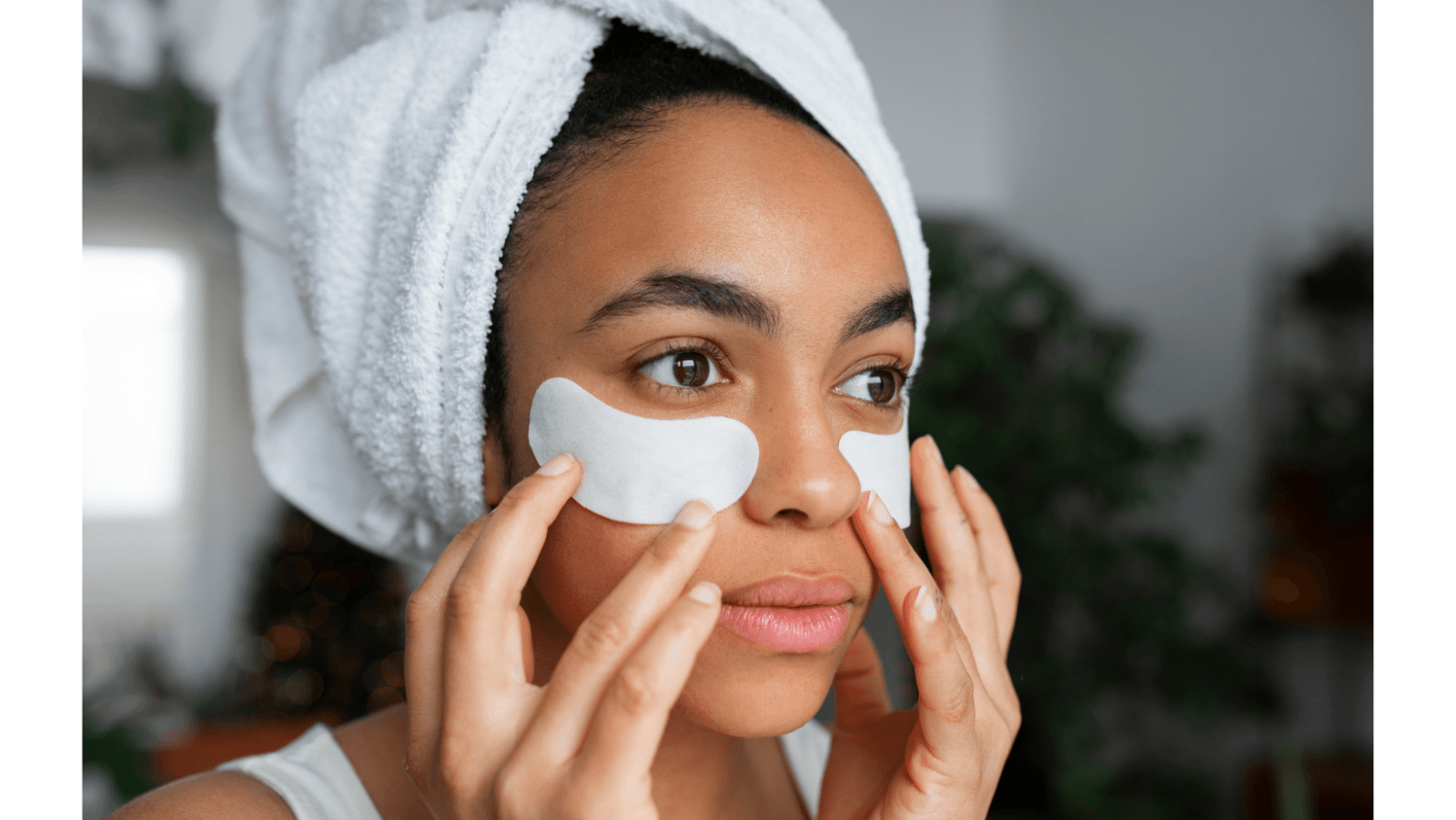
This growth reflects a shift in how people approach skincare and treatments. Energy-based devices use technologies like lasers, radiofrequency, and light therapy. These tools target acne, wrinkles, pigmentation, and hair removal. In the past, professionals mainly performed these treatments in clinics. Today, brands design safer devices for home use.
Technology driving accessibility and trust
Consumers now demand solutions that save time and reduce clinic visits. Homecare devices meet this demand with accessibility and convenience. Technology plays a major role in this transformation. Manufacturers continue to improve device safety and performance.
Modern devices deliver controlled energy levels for effective results. They also include user-friendly designs and built-in safety features. As a result, more people trust at-home treatments.
Rising awareness and demand for non-invasive care
Rising awareness of skincare also drives this market. Consumers now understand skin health better than before. Social media and digital platforms spread skincare knowledge quickly.
This awareness encourages people to invest in advanced solutions.
The demand for non-invasive treatments also supports growth. People prefer procedures that avoid pain and downtime. Energy-based devices offer visible results without surgical intervention. This benefit makes them highly attractive to modern consumers.
Self-care culture fuels adoption
Another key factor is the rise of self-care culture. Consumers now prioritise wellness and personal grooming routines. Homecare devices fit perfectly into this lifestyle trend. They allow users to maintain consistent skincare routines.
E-commerce platforms further accelerate market expansion. Consumers can easily access and compare products online. Online distribution also helps brands reach global audiences quickly. This channel continues to dominate device sales worldwide.
Challenges remain despite strong growth
However, the market still faces challenges. High device costs limit adoption in some regions. Regulatory requirements also affect product development and distribution. Companies must ensure safety and compliance before launching products.
Strong opportunities ahead
Despite these challenges, growth opportunities remain strong. Emerging markets show increasing demand for affordable solutions. Companies continue to invest in innovation and product development. They aim to deliver better results with safer technologies.
The future of homecare dermatology is becoming more decentralised. Consumers now take control of their skincare routines. Homecare energy-based devices will continue to shape this evolution.
They bridge the gap between professional treatments and daily care.
As technology improves, adoption will likely increase further. The market is set to redefine how people experience skincare globally.