
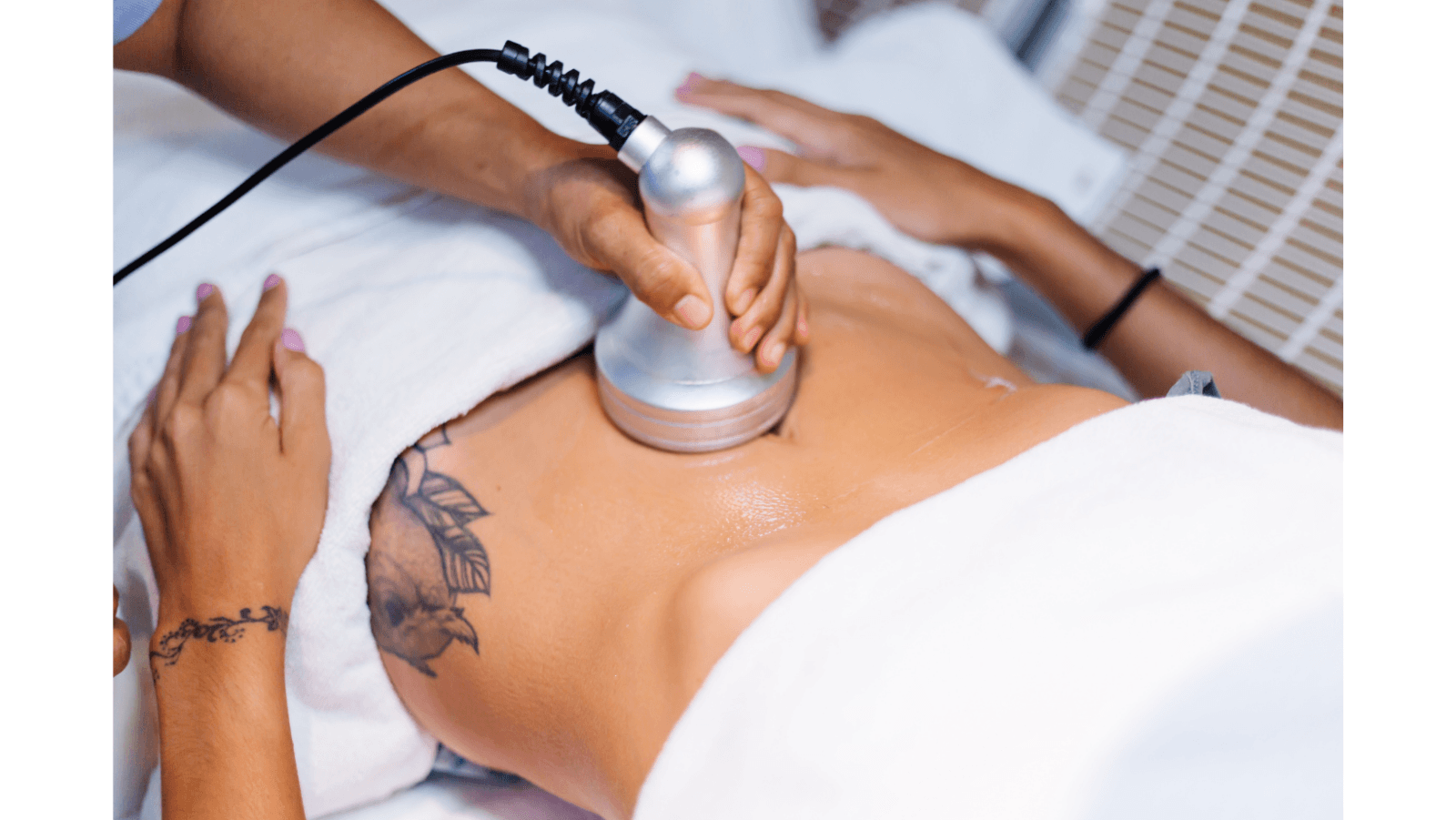
India’s body contouring device market is emerging as the fastest-growing segment of the country’s medical aesthetics industry. Growing use of GLP-1 weight-loss medicines is increasing demand for post-weight-loss aesthetic procedures, according to a report by research firm Mordor Intelligence.
Body contouring leads market growth
The report estimates that India’s aesthetic devices market will grow from about $870 million in 2026 to nearly $1.73 billion by 2031. The market is expected to expand at a compound annual growth rate (CAGR) of almost 15 per cent during the forecast period.
Body contouring and cellulite reduction devices are driving this growth. The segment is projected to record an annual growth rate of around 17 per cent. This outpaces several established categories, including laser hair removal devices.
GLP-1 medicines reshape aesthetic demand
The report links this trend to the increasing adoption of GLP-1 medicines such as Ozempic, Wegovy and Mounjaro. These medicines contain active ingredients, including semaglutide and tirzepatide. They help patients achieve significant weight loss but can also cause loose skin, facial volume loss and uneven fat distribution. These changes often encourage patients to seek aesthetic treatments after losing weight.
The trend extends beyond India. Plastic surgeons worldwide are reporting higher demand for post-weight-loss cosmetic procedures. The American Society of Plastic Surgeons identified “GLP-1 makeovers” as one of the key procedural trends for 2026. Its members treated more than 837,000 patients using GLP-1 medicines during 2024.
Medical aesthetics market continues to expand
India’s broader medical aesthetics market is also expanding steadily. Research firm IMARC Group valued the market at around $650 million in 2025. Rising interest in minimally invasive treatments among working professionals and male consumers continues to support this growth.
Experts stress realistic expectations
Experts caution that body contouring procedures are not weight-loss treatments. Instead, they help improve body shape after patients have already achieved substantial weight loss. These procedures target specific areas rather than delivering additional fat reduction.
According to D. Vijaya Krishna, non-invasive body contouring should not replace conventional weight-loss programmes. The technology works best for individuals who are close to their target weight and want to refine body contours after losing weight.
The report also highlights several limitations. Treatment outcomes depend on careful patient selection, treatment planning and realistic expectations. The procedures reshape specific body areas rather than delivering dramatic weight reduction.
Regulation and future outlook
Regulatory oversight remains another challenge. While aesthetic devices fall under the medical device framework of the Central Drugs Standard Control Organisation, supervision of clinics and operator qualifications varies across the country. The report suggests that stronger regulatory standards could support safer adoption as the market expands.
As GLP-1 medicines become more widely available, demand for post-weight-loss aesthetic procedures is expected to increase further. Industry observers believe body contouring will remain one of the fastest-growing segments of India’s medical aesthetics market over the coming years.