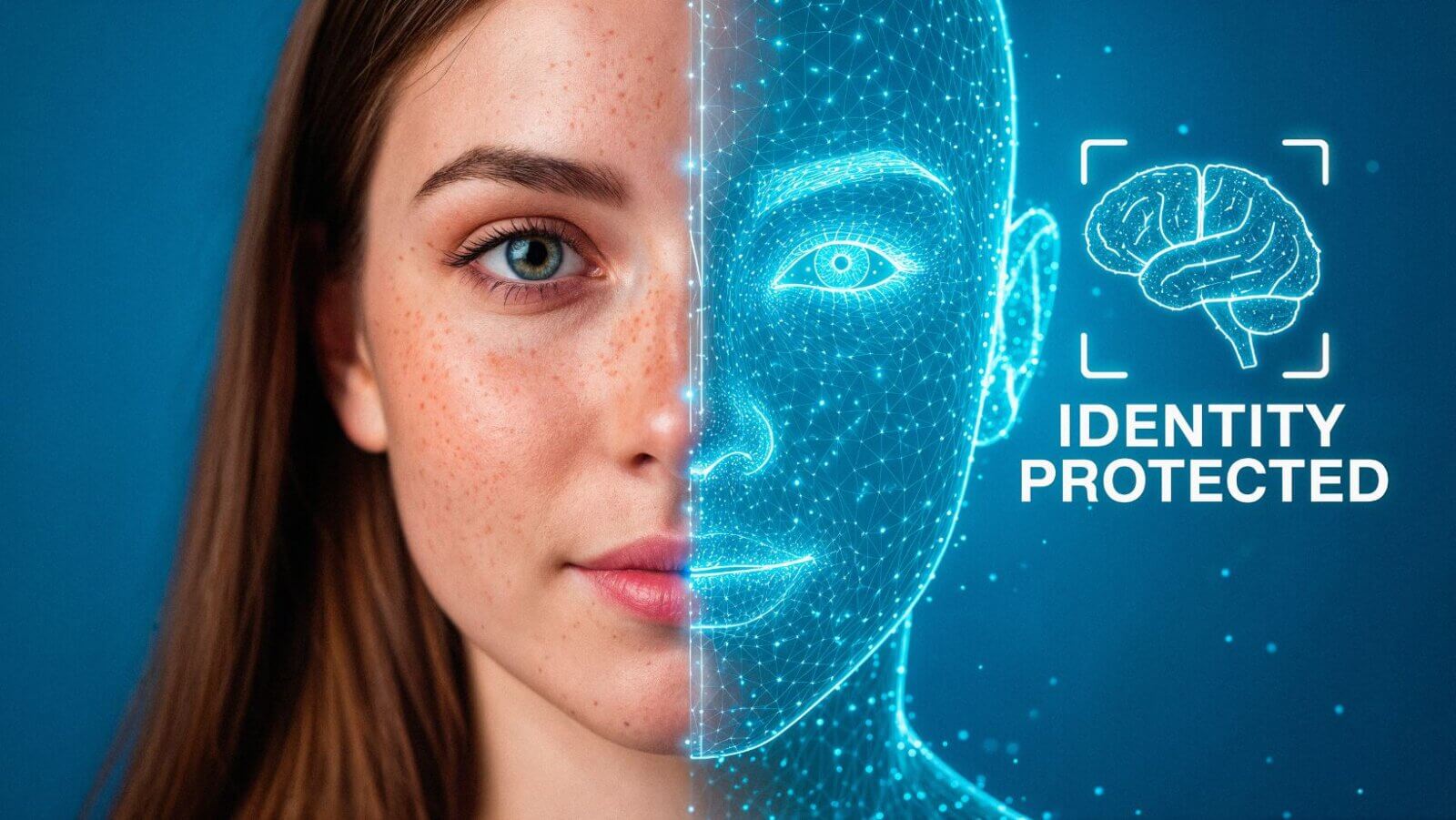
Artificial intelligence (AI) now makes skincare and haircare advice instantly accessible, often with just a click or a submitted photograph. Users can quickly receive personalised recommendations without visiting a clinic or specialist. While this technological convenience may feel empowering, Dr Ajara Sayyad urges users to exercise caution.
The board-certified dermatologist and Medical Director at The Éterne Clinic in Mumbai warns against over-reliance on AI-generated advice. In a recent interview, she highlights the risks of online consultations and stresses that in-person examinations are vital for accurate diagnosis.
Digital images cannot capture the full picture
Dr Ajara argues that doctors cannot fully understand skin and hair conditions through digital images alone. Such images often miss critical signs of underlying health issues, including hormonal imbalances and sun damage. For example, subtle changes in skin colour or texture that are often unseen in selfies can reveal significant health information. Similarly, hair loss requires hands-on examination, as photographs cannot reliably capture scalp inflammation, scarring, or other subtle clinical indicators.
In-person consultations build trust
She further emphasises that in-person consultations are essential not just for observations but for the full establishment of patient-doctor trust. Many patients arrive anxious, having tried multiple online solutions that were ineffective for their unique situations. Human interaction, empathy, and continuity of care play vital roles in medicine and remain difficult to replicate in purely digital environments.
Risks of fully digital treatment paths
Dr Ajara addresses the risks associated with entirely digital treatment paths, which often prioritise speed and scalability over tailored care. Online models often miss evolving skin and hair conditions and lack long-term monitoring, resulting in delayed diagnoses. Transparency in care providers’ qualifications is another critical component that can suffer in anonymous online platforms.
A supportive tool
However, Dr Ajara believes that technology has a valuable part to play in dermatology. According to her, AI in skincare should function as a supportive tool rather than a substitute for clinical judgement. She acknowledges AI’s potential in areas such as digital dermoscopy and patient progress tracking. However, she stresses that trained clinicians must interpret AI data while considering a patient’s overall health, lifestyle, and emotional factors.
Dr Ajara concludes that AI supports the diagnostic process, while doctors assess findings and determine treatment strategies. She highlights the importance of collaborative care that blends technology with human expertise.