Blepharoplasty, commonly known as an eyelid lift, has become one of the fastest‑growing procedures in the global aesthetic surgery market in 2026. Clinics and surgical centres worldwide report rising enquiries and bookings for eyelid surgery, driven by patients in their 20s and 30s. This shift reflects changing consumer expectations for lasting, natural‑looking facial rejuvenation beyond temporary cosmetic fixes such as fillers or Botox.
Demand rises
Blepharoplasty, once for older adults, now attracts younger patients seeking defined eyes, balanced facial features, and greater self‑confidence. Surgeons and industry analysts attribute this trend to growing awareness of aesthetic outcomes and greater social acceptance of cosmetic surgery. Younger candidates choose blepharoplasty for functional benefits like reduced under-eye puffiness and aesthetic results that create a youthful, alert appearance.
Market dynamics and drivers
The global eyelid surgery market is expanding steadily, with projections showing continued growth through 2030 and beyond. Recent industry reports project the global eyelid surgery market to grow to over US$ 10 billion by 2030. Rising demand for facial rejuvenation procedures and evolving beauty standards are driving this growth.
Worldwide, an aging population and accelerating interest in minimally invasive cosmetic surgery are key contributors to market growth. Rising use of digital platforms and social media boosts consumer awareness of cosmetic trends, prompting earlier consideration of surgical options.
Innovation and technical advancements
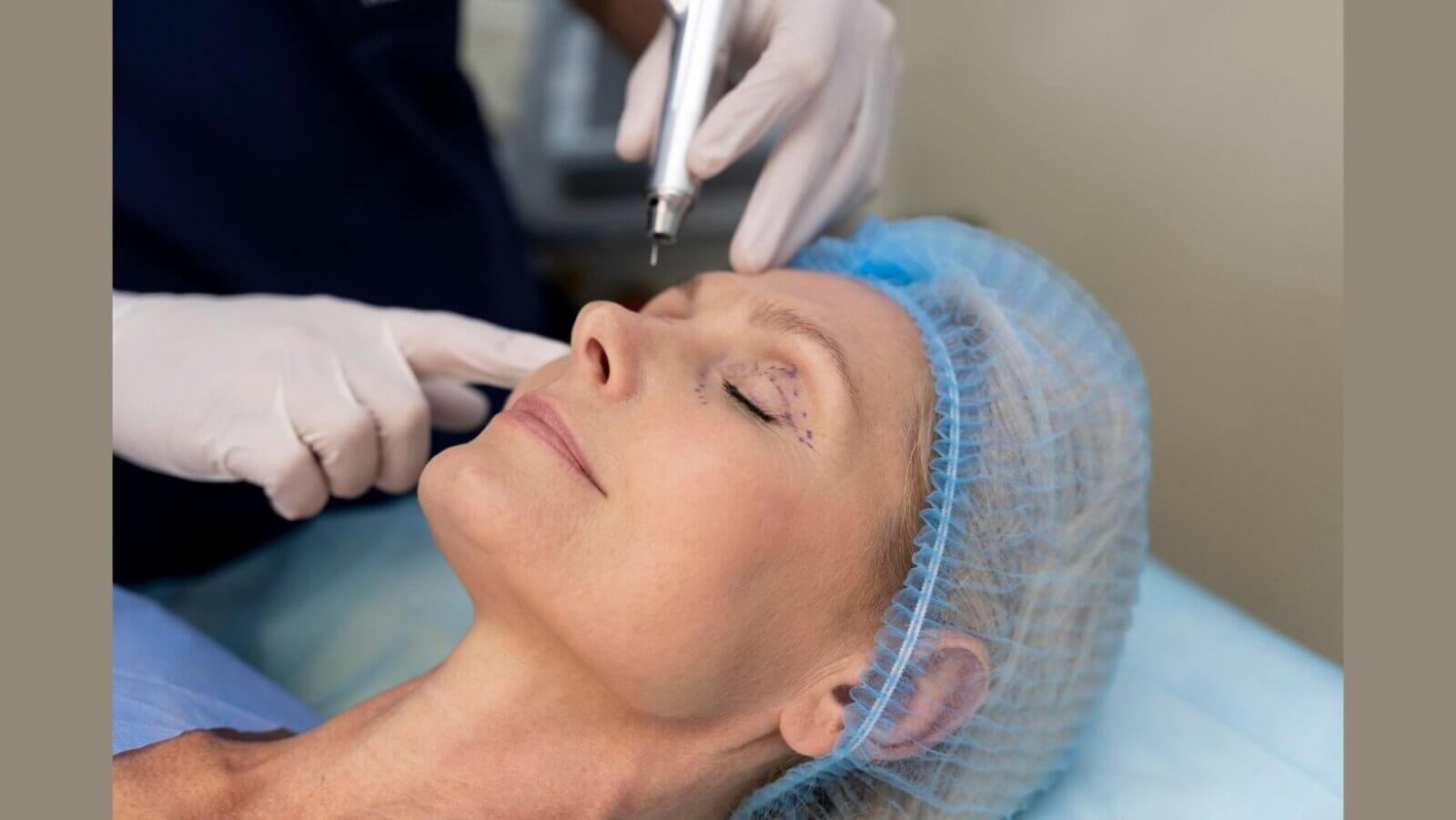
Technological advancements are making blepharoplasty safer, more precise, and more appealing to a broader client base. Clinics are increasingly adopting laser‑assisted and minimally invasive surgical techniques that reduce scarring and recovery time. These innovations are opening the market to new customer segments and enabling service providers to differentiate their offerings.
Clinics are adopting advanced imaging and surgical planning tools, including 3D visualisation and plasma energy devices, to improve outcomes. These technologies also enable clinics to provide more customised treatment plans for patients.
Marketing and consumer behaviour trends
Digital transformation in cosmetic services is reshaping how practices acquire and retain patients. Clinics are investing in online education, social media engagement, and before‑and‑after galleries to build trust and visibility. Social platforms are powerful drivers of consumer interest, with transparent patient testimonials helping de‑stigmatise elective surgery and normalise blepharoplasty.
Risks and professional considerations
Despite growing enthusiasm, clinical risk management remains essential for providers. Eyelid surgery involves delicate facial structures near the eyes, and providers must maintain strict safety protocols to minimise postoperative complications. Clear patient education and skilled surgical expertise remain crucial to maintaining trust and ensuring high‑quality outcomes.
Outlook
As blepharoplasty demand continues to broaden across, the procedure stands poised to reshape the facial aesthetics landscape. For clinics, hospitals, and surgery centres, this trend presents a tangible growth opportunity in the competitive cosmetic services market in 2026 and beyond.