
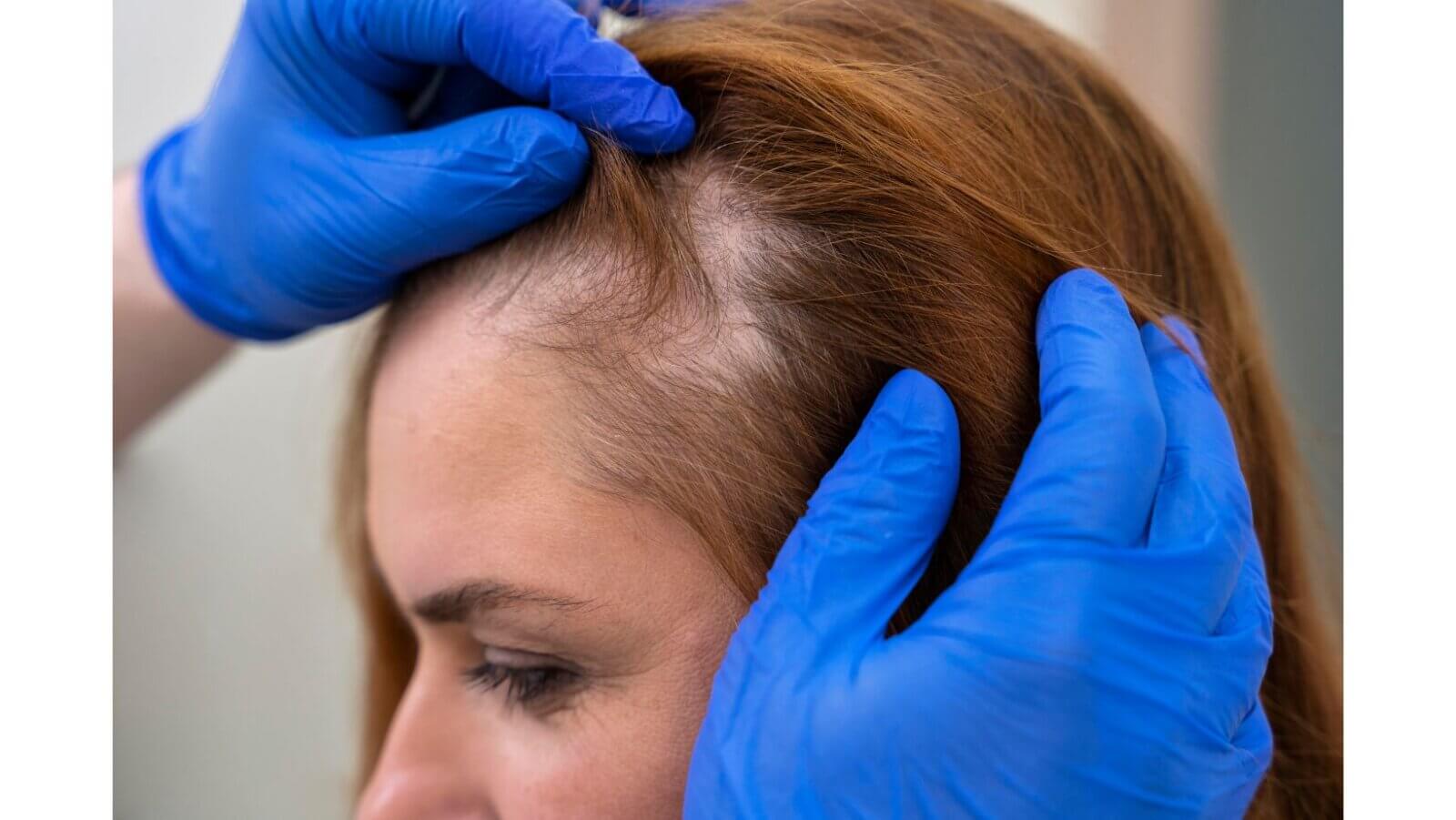
Hair loss often appears cosmetic, but experts say it signals deeper health concerns.
Dr Jushya Bhatia Sarin explains that blood tests can reveal hidden causes and guide treatment.
Hair fall rarely occurs alone and often reflects internal imbalances. These include nutritional deficiencies, hormonal changes, or chronic health conditions. Early detection helps doctors treat the root cause instead of symptoms.
The role of irons and vitamins
Iron deficiency remains a leading cause of hair loss. Low iron disrupts the hair growth cycle and increases shedding. Doctors recommend checking serum ferritin to assess iron stores. Correcting iron levels often improves hair strength and reduces hair fall.
Vitamin deficiencies also contribute to hair thinning. Low Vitamin D weakens hair follicles and slows regrowth. Vitamin B12 deficiency can also affect overall hair health. Routine screening helps identify these deficiencies early.
Hormonal imbalances and hair thinning
Hormonal imbalances represent another major cause of hair loss. Thyroid disorders directly affect hair growth and follicle strength. Both hypothyroidism and hyperthyroidism can cause thinning hair. Blood tests help doctors diagnose these conditions quickly.
Androgen-related hormonal changes also contribute to pattern hair loss. These changes affect both men and women differently. Testing hormone levels helps determine suitable treatment options.
Hormonal imbalances and hair thinning
Stress and inflammation also influence hair health significantly. These factors may not always appear in routine tests. However, certain markers can still provide useful diagnostic clues.
Doctors use these insights to build a complete health picture.
Dr Jushya advises against relying solely on topical treatments. Such treatments often fail without addressing the root cause. Blood tests provide a clearer understanding of internal imbalances.
Hair loss as a health indicator
Prolonged hair loss warrants consultation with a qualified dermatologist. Early diagnosis enables more effective, outcome-driven interventions. Delayed action can extend recovery timelines and exacerbate underlying conditions.
Hair loss should not be dismissed as a cosmetic concern. It often signals underlying health problems that need attention. Blood tests help doctors identify and treat the cause effectively. This approach supports healthier hair and better overall well-being.