The body contouring devices market is seeing rapid growth. If it stays strong and grows at a CAGR of 11.2 per cent, it will be worth more than twice as much now, or USD 4.5 billion by 2033. This growth comes from a global move toward non-invasive and minimally invasive aesthetic procedures. People today want faster recovery, natural-looking results, and safer options.
More than 20 million cosmetic procedures are performed worldwide each year. A growing number of these are non-surgical, showing that advanced body contouring is becoming a mainstream choice. This is more than just strong market momentum for professionals in aesthetics and clinical practice. It is a clear signal to innovate, stand out, and expand.
Why is this market expanding rapidly?
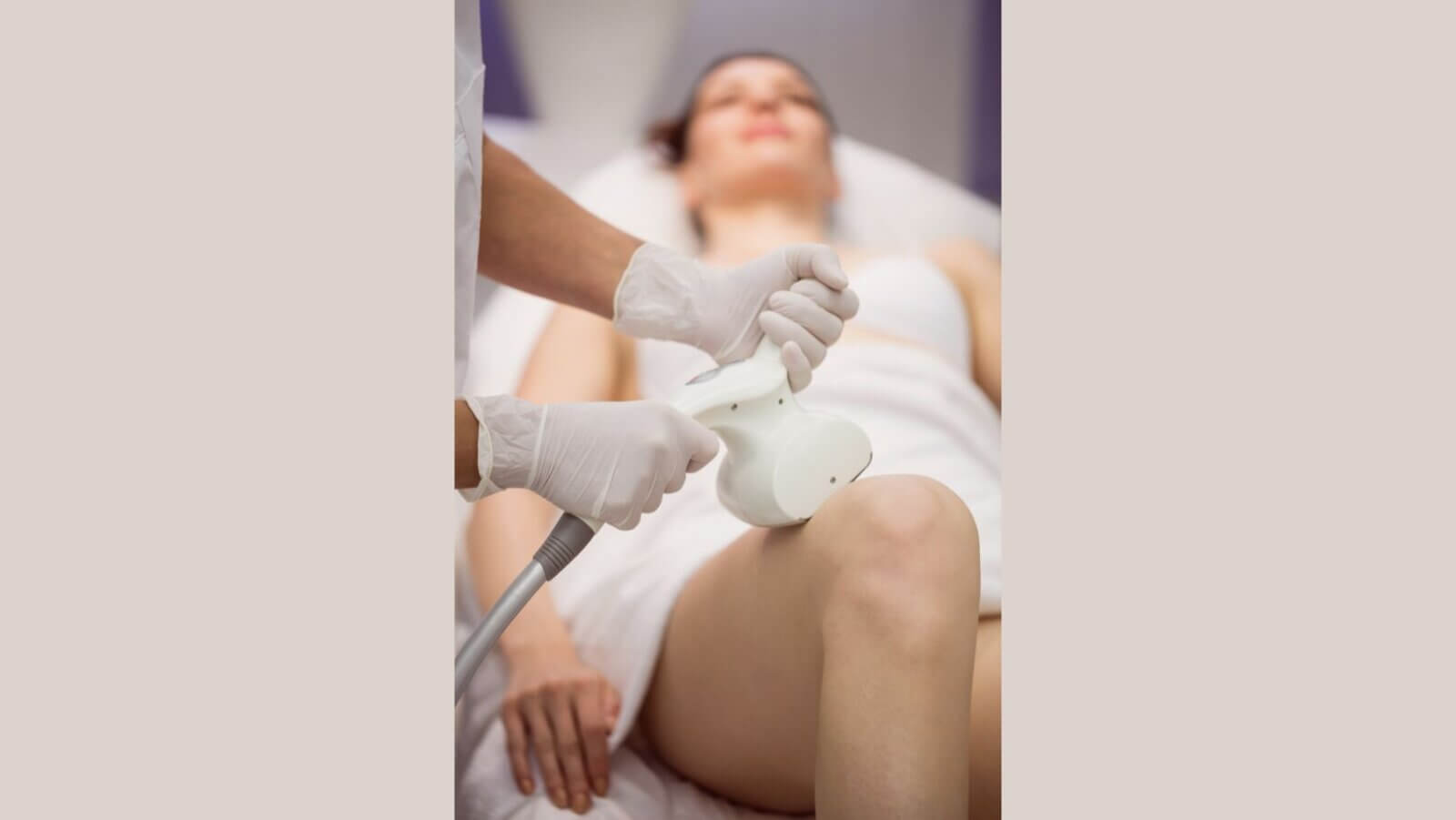
There is no doubt that clients are now looking for safer, faster, and more effective aesthetic treatments that do not require much recovery time. New technologies such as cryolipolysis, radiofrequency, laser therapy, ultrasound, and HIFEM are becoming more common in clinics. They help providers offer treatments like fat reduction, skin tightening, and muscle toning more easily and effectively.
Also, rising incomes in developing countries are making aesthetic treatments more accessible. At the same time, social media and celebrity trends are increasing interest and demand for these procedures.
Key market segments to watch
For professionals watching the market, it is important to understand how it breaks down by technology, application, and who uses the devices. Technologies like cryolipolysis and HIFEM are driving most of the new innovations.
The treatments cover a wide range, including body shaping, cellulite reduction, muscle toning, and skin tightening. These devices are being used in a variety of settings, including hospitals, dermatology clinics, medical spas, and cosmetic surgery centres. This shows they are becoming widely accepted across both healthcare and wellness industries.
Competitive landscape and leading players
The competition in the body contouring devices market is intense, with big names like Hologic (Cynosure), AbbVie (Allergan Aesthetics), Candela, and Boston Scientific (Lumenis) leading the charge. These companies are putting serious investment into research and development, aiming to create safer, more effective, and personalised devices.
The goal is clear: to improve patient results and give clinics the tools to stand out in a crowded market.
Global reach, regional insights
Regional markets from North America to Asia-Pacific show strong growth potential, shaped by local economies, regulations, and consumer needs. For businesses and investors, understanding these differences is key to smart expansion.
As the industry continues to grow, staying updated on new technologies, changing trends, and competitor strategies will be essential to staying ahead.