Dermatology in India is no longer confined to treating rashes, infections, or seasonal allergies. Today, it has become a reliable growth and revenue driver for hospitals and specialty clinics. It combines essential medical care with high-demand procedures and efficient outpatient delivery.
This shift is driven by higher awareness and changing lifestyles. Patients are also more willing to invest in long-term skin and hair health.
From OPD specialty to revenue mainstay
The dermatology segment now spans medical dermatology, aesthetic procedures, hair restoration, and chronic disease management. Conditions like acne, pigmentation, hair loss, psoriasis, vitiligo, and eczema require repeated consultations and sustained treatment plans, creating predictable revenue streams.
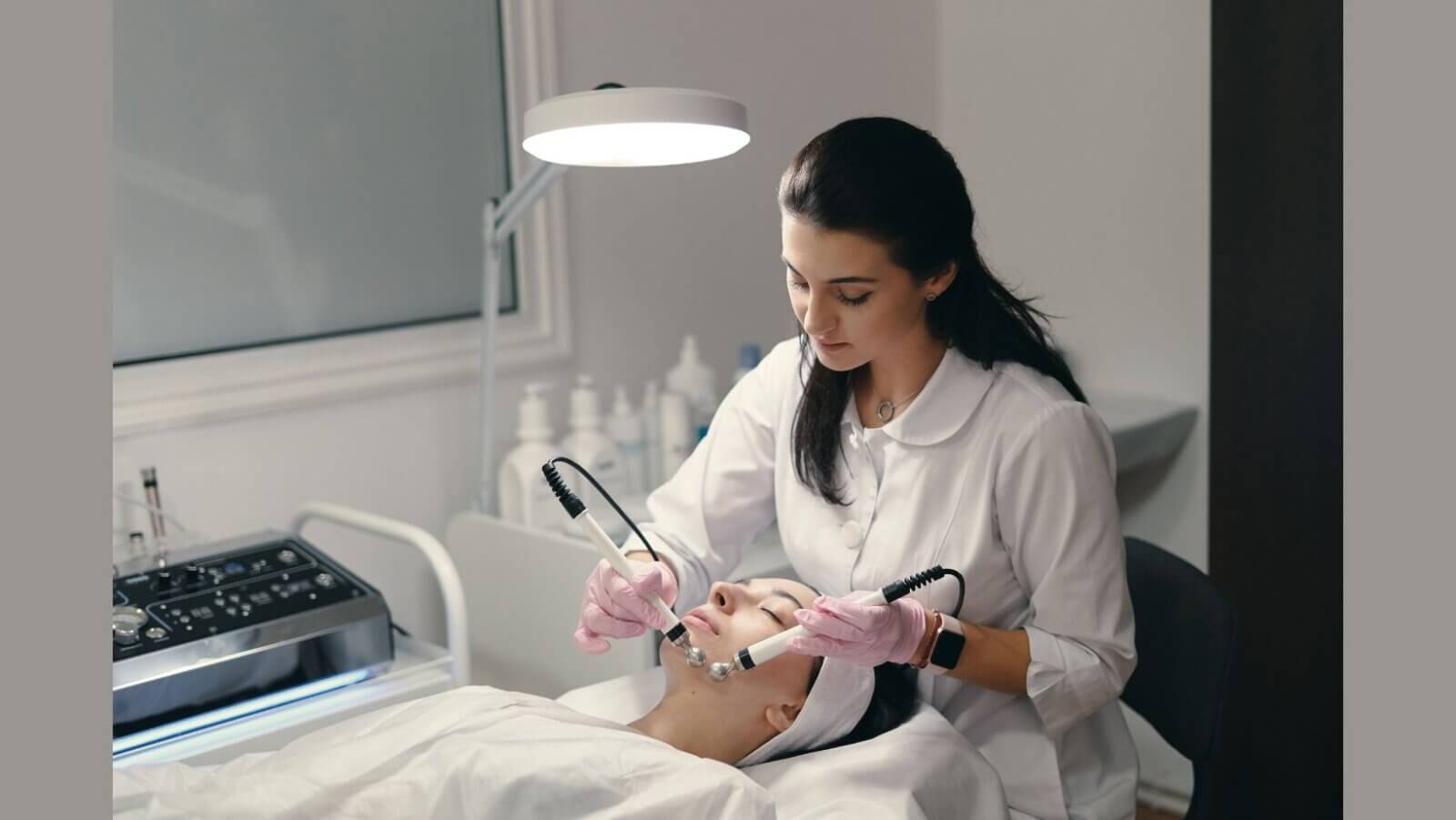
Importantly, dermatology in India remains largely outpatient-driven. With minimal dependency on inpatient beds, it allows hospitals to scale services without major infrastructure expansion. When medical and aesthetic dermatology are offered together, clinics benefit from both continuity of care and procedural margins, strengthening operational stability.
Demand is no longer limited to metros. Tier 2 and tier 3 markets are seeing patients actively seek advanced dermatology solutions and pay out-of-pocket for visible, outcome-driven results.
Technology is redefining care delivery
Advanced tools are quietly reshaping dermatology workflows. Dermatoscopy has become central to accurate, non-invasive diagnosis, especially for pigmented lesions. AI-enabled imaging and digital platforms are supporting early detection, triaging, and even virtual consultations, improving reach and efficiency.
Digital pathology is also proving valuable, enabling biopsy samples from smaller towns to be assessed by experts in larger centres. Tele-dermatology, accelerated by the pandemic, continues to bridge access gaps while reducing unnecessary patient visits and optimising clinician time.
Scaling beyond metros comes with challenges
Expanding dermatology services into smaller markets isn’t without hurdles. Talent availability remains a key concern, as trained dermatologists often prefer urban practice. High upfront costs for lasers and energy-based devices, along with the need for skilled operators, add to the complexity.
Standardisation is another critical issue. Maintaining consistent clinical protocols, hygiene practices, pricing transparency, and patient experience across locations requires strong governance. Ongoing staff training, strong digital connectivity, and senior clinician support, often provided through tele-mentoring, are essential to sustain quality at scale.
Partnerships drive innovation and adoption
Collaborations with pharmaceutical companies, device manufacturers, and diagnostics players are shaping modern dermatology delivery. From biologics for chronic skin diseases to injectables and energy-based devices, partnerships help clinics access innovation, training, maintenance support, and patient education initiatives.
As these alliances expand beyond metros, they are enabling smaller centres to adopt global best practices while tailoring services to local demand.
Measuring outcomes and ROI matters more than ever
With increasing regulatory scrutiny, dermatology practices are becoming more data-driven. Practices track clinical effectiveness through symptom improvement, severity scores, and visual documentation. Patient satisfaction, repeat visits, and referrals serve as key performance indicators.
For new technologies, hospitals closely monitor utilisation rates, safety outcomes, treatment uptake, and complication reduction. The focus is clear: evidence-based care that delivers measurable outcomes, both clinically and commercially.