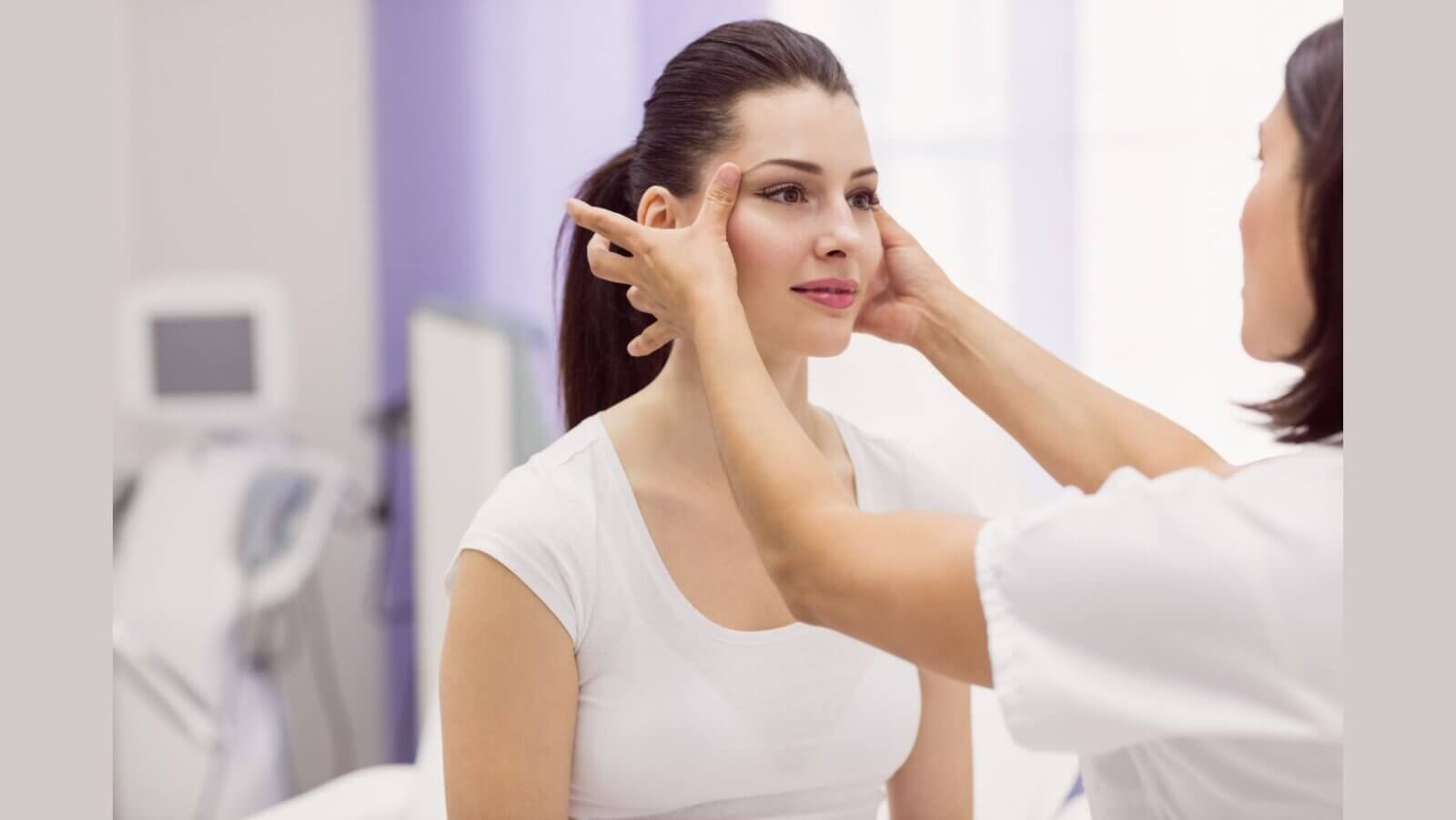
Once considered a quiet, late-life intervention, the facelift is now entering a new age demographic. Conversations around advanced facial rejuvenation are no longer limited to people in their 50s and 60s. Young adults in their late 20s and early 30s are increasingly part of the discussion.
So what is driving this shift, and what does it signal for the aesthetic industry?
From last resort to proactive enhancement
Social platforms today are filled with talk about mini facelifts, ponytail lifts, and deep-plane lifts. For younger individuals, surgery is becoming less of a last-resort option and more of a proactive enhancement strategy. Many are motivated by the desire for a sculpted jawline, lifted contours, and longer-lasting results than injectables can offer.
Years of using non-surgical treatments have contributed to this mindset shift. If injectables provide temporary refinement, some younger patients are now questioning why they shouldn’t consider structural rejuvenation earlier for durable results.
Technology is reshaping expectations
Surgical techniques have evolved significantly. Facelifts today can deliver subtle, natural-looking outcomes rather than the overly stretched appearance once associated with the procedure. Modern approaches, improved tissue repositioning, and minimally invasive options have shortened recovery time and refined results.
Some renowned clinics also perform certain lifts under local anaesthesia, further expanding interest and comfort.
However, a facelift remains a major surgical procedure that requires specialised expertise, approved medical settings, and careful patient assessment. Possible risks like hematoma, nerve issues, and scarring highlight why safe, ethical treatment practices and proper medical standards are so important.
Price accessibility and medical tourism
Costs for facelift procedures vary widely across regions, prompting many younger patients to travel abroad for more affordable options. While this trend opens new business opportunities, it also raises concerns around safety standards, post-operative care, and regulatory variations.
As global competition rises, industry stakeholders must prioritise transparency, patient education, and ethical decision-making.
The digital identity influence
The era of selfies, constant video calls, social filters, and AI-enhanced beauty standards has intensified self-scrutiny. Younger audiences are viewing themselves more frequently and comparing themselves more critically than previous generations.
This digital-first beauty culture is accelerating an early-intervention mindset, making professional guidance and psychological preparedness essential components of treatment planning.
What this means for the industry
The rise in younger facelift interest highlights:
- Shifting aesthetic preferences
- Growth of preventative facial surgery
- Advancements in surgical techniques
- Increased global patient mobility
- Influence of digital self-image and social culture
The key challenge lies in balancing innovation with caution. As demand expands, practitioners and clinics must emphasise informed decisions, realistic expectations, long-term wellbeing, and ethical patient selection. Because while trends evolve, one truth remains clear: the most successful aesthetic journeys are grounded in education-driven, patient-centric care.