The market for HA-based dermal fillers is growing rapidly. Worth USD 4.62 billion in 2023, it is expected to nearly double to USD 9.94 billion by 2032, growing at a steady 8.9 per cent CAGR.
What is driving this growth? Well, this growth is driven by the rising popularity of non-invasive and minimally invasive aesthetic treatments. New technologies are also making these procedures safer and the results longer-lasting.
At the same time, greater consumer awareness about aesthetics is helping expand the market. This makes hyaluronic acid-based fillers an exciting opportunity for businesses and investors in the aesthetic and healthcare sectors.
Driving factors behind market growth
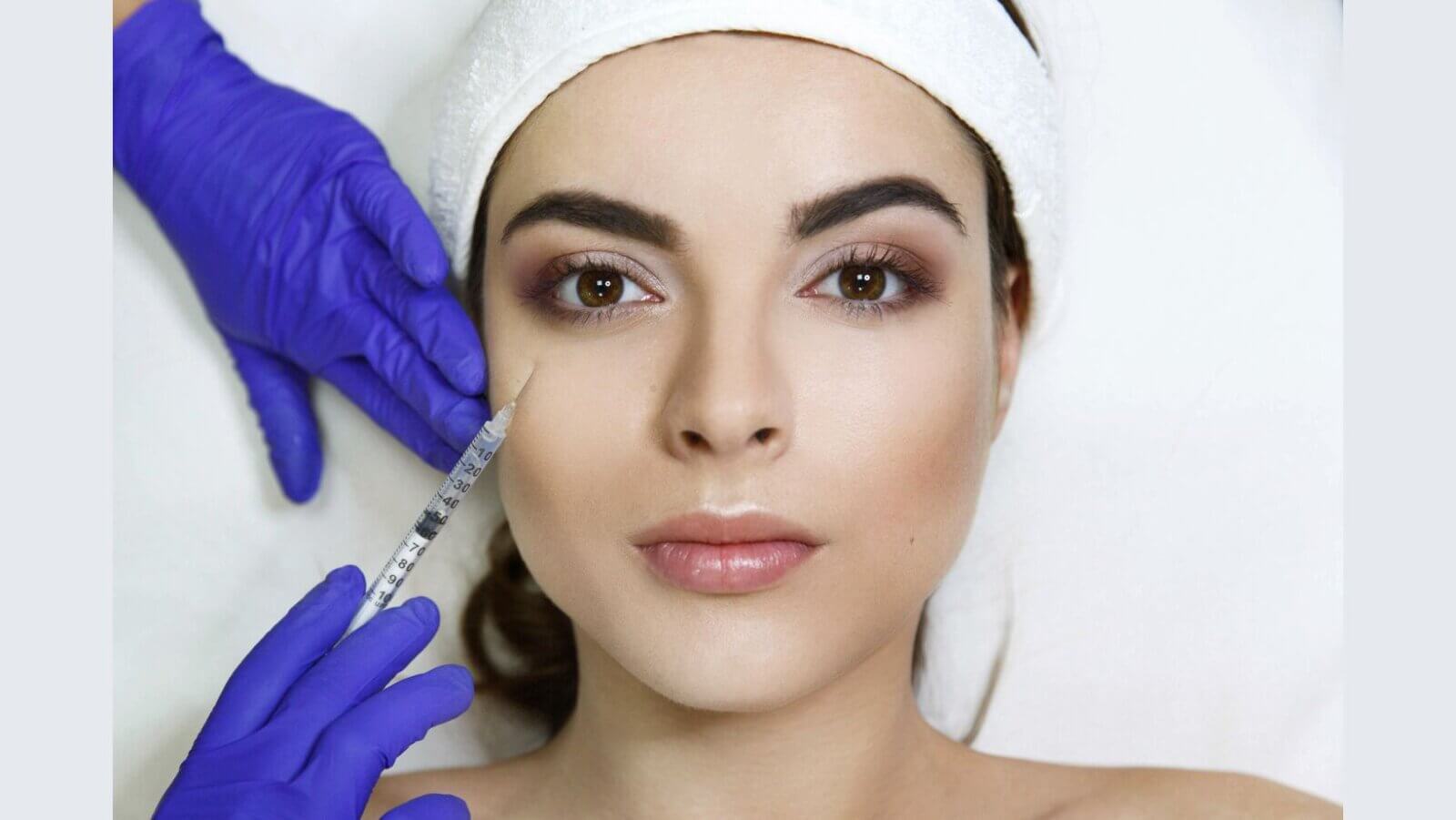
HA-based dermal fillers are popular for their ability to reduce wrinkles, restore facial volume, and provide natural-looking results without surgery. Advances in filler technology have improved durability and outcomes, with results now lasting up to 12–18 months for single-phase products.
Plus, social media trends and celebrity influence have also expanded awareness, attracting younger demographics and broadening the market beyond traditional consumers.
However, growth comes with its challenges. Stringent regulations, safety concerns, and high procedure costs remain key hurdles, especially in emerging markets where access and affordability are limited.
Product and application insights
Single-phase fillers dominate the market, holding more than 58 per cent share in 2023, thanks to ease of injection and consistent results. In terms of application, wrinkle removal leads with 32 per cent market share, reflecting global anti-aging demand. Meanwhile, lip augmentation is emerging as the fastest-growing segment, driven by aesthetic trends and social media influence.
On the end-use side, specialty and dermatology clinics account for over 62 per cent of the market. They offer customised treatments that provide safer procedures, better outcomes, and fewer complications compared with general hospitals or medspas.
Regional trends
Did you know North America currently leads the HA-based dermal fillers market with a 40 per cent share? This dominance is backed by advanced healthcare infrastructure and a strong presence of established market players.
But have you looked at Asia Pacific lately? It is emerging as the fastest-growing region, expected to achieve a 10.05 per cent CAGR from 2025 to 2032. This growth is driven by rising disposable incomes, increasing beauty awareness, and a surge in medical tourism. Could this region become the next hotspot for investment and innovation in aesthetic medicine?
Key players and the road ahead
The market is highly competitive, driven by leading global manufacturers and emerging regional players. Ongoing innovation, improved product formulations, and strategic market expansions are shaping the changing competitive landscape.
As aesthetic medicine moves toward more non-invasive and patient-focused treatments, the big question is, what is driving this change? HA-based dermal fillers continue to be at the heart of this shift, shaping the future of cosmetic procedures.
With new opportunities come challenges, so staying informed is key. So, know about the latest trends and strategies in HA-based dermal fillers to stay ahead in this fast-growing market.