
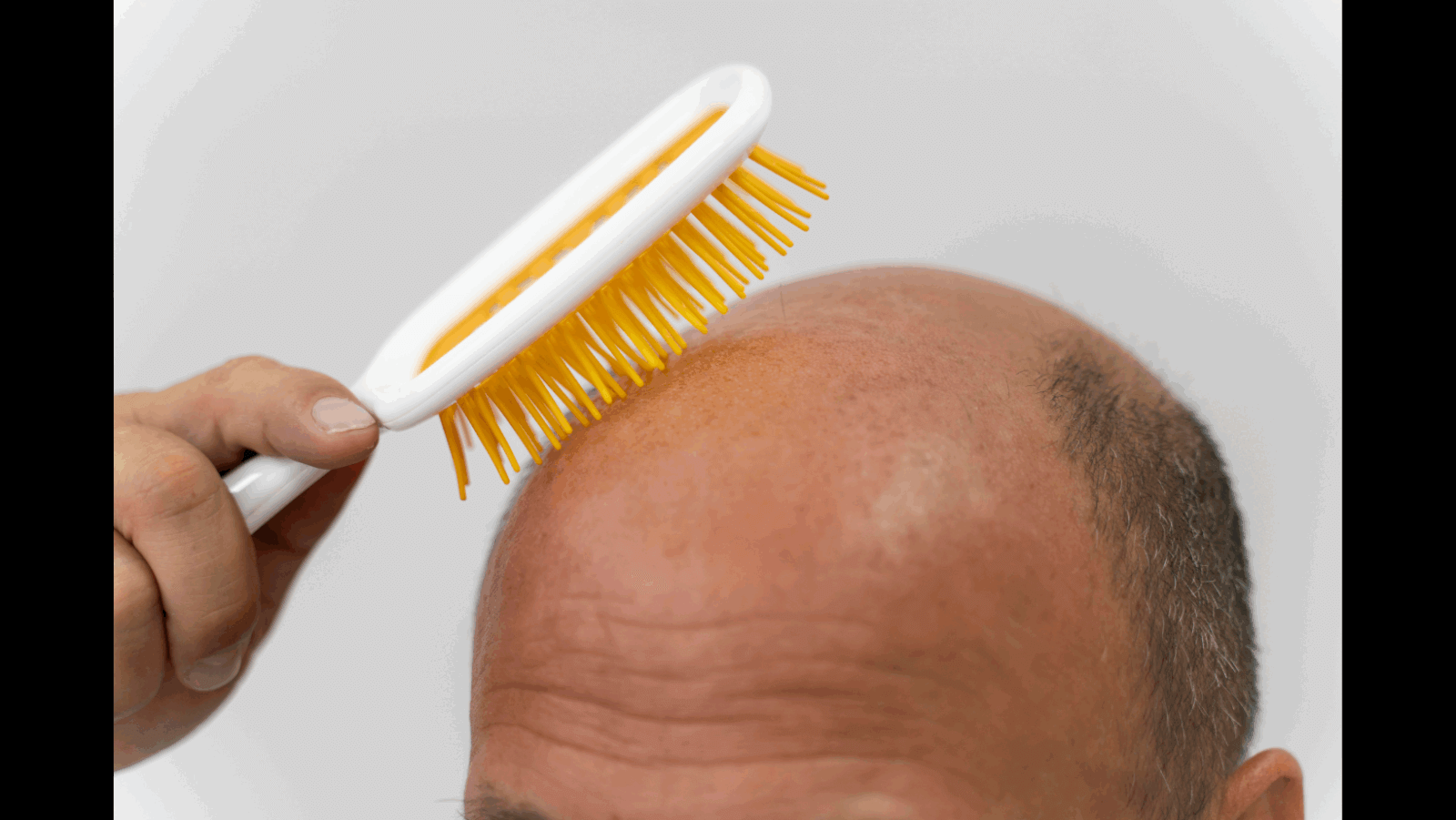
Scientists have uncovered the molecular systems behind human hair growth, bringing new hope to millions battling hair loss. Researchers revealed in Stem Cell Research & Therapy that androgenetic alopecia may be reversible, challenging long-held beliefs about hair loss.
Hair follicles don’t die
Scientists discovered that hair loss results from a breakdown in communication between five key molecular systems. These systems normally regulate the hair growth cycle, but in people with pattern baldness, they lose coordination. This disruption sends hair follicles into a prolonged “sleep mode.” However, the follicles remain alive—just inactive.
By restoring the internal biological signals, researchers believe they can reactivate dormant follicles and stimulate natural hair regrowth.
New therapies target root causes
Unlike most current treatments that only delay hair loss or conceal bald patches, this new approach addresses the underlying biological mechanisms. The study highlights how stem cells and signalling proteins drive follicle regeneration and proposes targeted methods to reverse hair loss:
- Amplifying growth signals that have weakened
- Blocking inhibitory signals that suppress follicle activity
- Applying gene therapy to correct genetic flaws
- Using stem cell treatments to rebuild or support hair follicles
Laboratory trials on animals have already produced promising results, with human clinical trials expected within two years.
Personalised treatments
This breakthrough also signals a move towards personalised, non-invasive hair regrowth therapies. Doctors may soon analyse patients’ DNA and biomarkers to personalise hair loss treatments, ensuring safer and more effective results.
New-age tools such as CRISPR gene editing, stem cell engineering, and smart molecules are driving innovation in hair loss treatment. Compounds like valproic acid and CHIR99021 show great promise by activating growth pathways and suppressing signals that inhibit hair production.
These treatments target the molecular level to encourage lasting, healthy hair growth—avoiding surgery and long-term medication.
A new era in hair restoration
Scientists reframes hair loss as a treatable biological imbalance—not a permanent condition. Researchers target follicle signals to develop safer, smarter treatments tailored to each person’s unique biological makeup.
Ongoing progress may soon replace cosmetic cover-ups with real, natural hair regrowth driven by scientific innovation.