As more people seek out non-invasive treatments and cutting-edge technologies, the medical aesthetics market is booming. With options like injectables, laser therapies, and body contouring, this market is transforming aesthetic medicine. The industry is set to expand significantly as it adapts to changing consumer preferences and introduces innovative solutions.
In 2023, the global medical aesthetics market was valued at USD 19.41 billion and is projected to reach USD 50.17 billion by 2031, growing at an annual rate of 12.60% from 2024 to 2031. This growth is driven by more people opting for personalised, minimally invasive treatments to enhance their appearance and boost their confidence.
Trends driving the market
- The shift to minimally invasive procedures
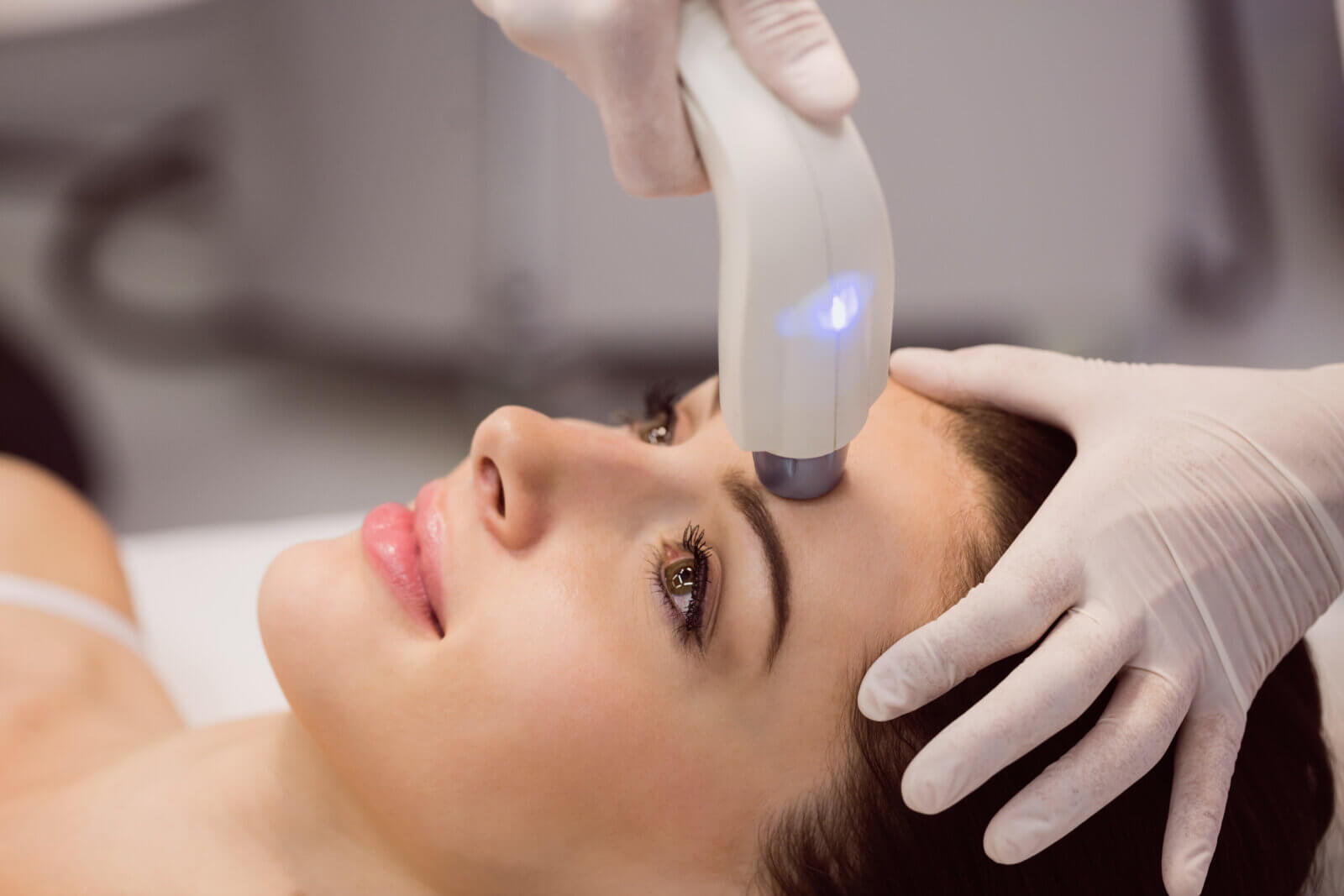
People are choosing minimally invasive procedures like injectables and laser treatments because they offer great results with little recovery time. Enhanced formulas and advanced technologies like long-lasting fillers and lasers ensure safer, more effective treatments for diverse clients.
- Personalised aesthetic solutions
Personalisation is key in the medical aesthetics market. Clinicians now tailor treatments to individual skin types, facial features, and concerns. Using advanced diagnostic tools, providers create customised solutions, boosting patient satisfaction and loyalty.
Key growth drivers
- Rising awareness of aesthetic treatments
Increased awareness about aesthetic procedures is driving consumer interest. Social media, influencer endorsements, and educational campaigns have normalised these treatments, reducing stigma and encouraging broader adoption.
As more individuals explore options like skin rejuvenation and body contouring, clinics are seeing a surge in demand.
- Increasing disposable income
With higher disposable incomes, more people can afford aesthetic treatments. This financial freedom drives market growth as individuals focus on self-care and improving their appearance with innovative solutions.
Challenges in the sector
- Talent shortages
A lack of skilled professionals in medical aesthetics is a major challenge. Clinics struggle to meet rising demand while maintaining quality. Investing in training and education is crucial to close this gap and adopt new technologies and techniques.
- High treatment costs
Cost is a barrier for some consumers, especially in price-sensitive markets. Economic changes can make this harder, so clinics need to offer flexible pricing and financing options to reach more people.
- Regional insights
North America leads the market, thanks to technological advances and high consumer awareness. However, rising living standards and increased awareness in regions like Asia-Pacific, the Middle East, and South America offer new opportunities.
The future of medical aesthetics
The global medical aesthetics market is set for strong growth, driven by trends like AI, advanced imaging, and personalised treatments. By tackling challenges and seizing new opportunities, the industry will reshape beauty standards and patient experiences worldwide.
The medical aesthetics sector offers plenty of room for innovation and growth. To stay competitive, businesses should focus on adopting new technologies, investing in skilled talent, and adapting to changing consumer needs. This will help them lead in this growing market.